
Table of Contents
New EU Food Safety Regulation Takes Effect: Stricter Listeria Controls for Ready-to-Eat Foods
On July 1, 2026, Commission Regulation (EU) 2024/2895 came into effect, introducing stricter requirements for controlling Listeria monocytogenes in ready-to-eat (RTE) foods. The amendment to the existing Regulation (EC) No 2073/2005 strengthens microbiological safety management throughout the entire shelf life of food products.
Under the revised regulation, for RTE foods that support the growth of Listeria monocytogenes, if manufacturers cannot demonstrate to the competent authority that the pathogen will remain at or below 100 CFU/g throughout the product’s shelf life, the food must comply with a stricter criterion: Listeria monocytogenes must not be detected in 25 g of product throughout its shelf life. This means food safety management is no longer limited to testing before products leave the manufacturing facility. It extends across transportation, storage, and retail distribution, placing greater demands on manufacturers of chilled ready-to-eat meat products, cheese, and other packaged foods.
What does this mean for food manufacturers? Relying solely on finished-product testing is no longer sufficient. Manufacturers must demonstrate that their products remain safe throughout the entire shelf life. Under increasingly stringent compliance requirements, can conventional thermal processing alone provide the flexibility and product quality that modern food manufacturers need?
HPP high pressure pasteurization is also known as high-pressure processing, offers an alternative approach to microbial control in ready-to-eat foods. By applying hydrostatic pressures of 300–600 MPa under relatively mild temperature conditions, HPP can damage microbial cell structures and effectively reduce populations of pathogens such as Listeria monocytogenes, while helping preserve the original flavor, color, and nutritional quality of food. For ready-to-eat meats, fruit and vegetable products, and sauces, scientifically validated HPP processes can improve microbial safety and support extended refrigerated shelf life.
It is important to note that HPP high pressure pasteurization effectiveness depends on food formulation, initial microbial levels, target microorganisms, processing temperature, pressure, and holding time. No single pressure and processing duration can serve as a universal treatment for every food product. Manufacturers must combine HACCP principles, microbiological challenge testing, shelf-life studies, and cold chain management to establish a validated food safety control strategy.
The Hidden Weakness of Traditional Thermal Processing: Post-Processing Contamination
When faced with stricter food safety requirements, many manufacturers initially consider increasing the intensity of thermal processing. However, excessive heat can negatively affect the texture, flavor, and appearance of ready-to-eat meals. Meat may become dry and tough, while vegetables can lose their firmness and become overcooked.
An even more significant challenge is post-processing contamination.
Traditional production typically follows this sequence:
Thermal Processing → Cooling → Cutting / Filling → Sealing
After thermal treatment, products may still need to undergo cooling, handling, cutting, and filling before final packaging. During these stages, condensation, contaminated equipment surfaces, and biofilms on filling machinery can introduce microorganisms. Any failure in post-processing hygiene may compromise the effectiveness of the initial microbial reduction step.
This is why controlling contamination throughout the entire production process is essential. Food manufacturers need a processing approach that minimizes exposure to potential contamination after the main microbial reduction treatment.
How HPP High Pressure Pasteurization Helps: Processing After Final Packaging
To reduce the risk of post-processing contamination, manufacturers can change the sequence of their processing operations.
HPP high pressure pasteurization offers an established approach that allows food products to be treated after final packaging.
In a typical HPP process, food is first filled and sealed in suitable flexible, water-resistant packaging. The packaged products are then loaded into an HPP vessel filled with water as the pressure-transmitting medium.
The high pressure processing machine applies hydrostatic pressure, typically within the range of 300–600 MPa. Because pressure is transmitted uniformly through the water and packaging, it reaches the entire product rather than relying on heat transfer from the outside inward.
This pressure treatment causes structural damage to susceptible microbial cells, helping inactivate pathogens such as Salmonella and Listeria monocytogenes. Since processing takes place after the final package has been sealed, the risk of contamination from subsequent cutting, filling, and handling operations can be significantly reduced.
Unlike conventional high-temperature processing, HPP high pressure pasteurization operates under relatively mild temperature conditions, helping preserve the original sensory and nutritional characteristics of many foods.
When combined with appropriate refrigerated storage, validated HPP parameters, and effective cold chain management, this technology can support improved food safety and extended shelf life.
However, HPP high pressure pasteurization does not reliably eliminate bacterial spores under conventional commercial processing conditions. Manufacturers must therefore evaluate spore-forming microorganisms, product acidity, water activity, packaging conditions, and storage temperatures when developing their food safety strategies. HPP should be considered a validated pasteurization process rather than a sterilization method.
HPP for Ready-to-Eat Meals: From Food Preservation to Commercial Value
HPP technology is transforming the global ready-to-eat meal and chilled prepared food industries, helping manufacturers deliver safer, more convenient, and higher-quality products.
In Singapore, The Soup Spoon has applied HPP to soups and ready-to-eat meals, expanding its products into retail channels, including 7-Eleven. In the United States, True Chef / Chef’d has used HPP to develop refrigerated meal kits. Meanwhile, Spain’s MRM / Tappers has incorporated HPP into a diverse range of chilled ready meals, including meat, fish, rice, and pasta dishes. These commercial examples demonstrate that HPP is no longer limited to premium specialty foods. It is becoming an important processing technology for ready-to-eat food manufacturers seeking to improve product competitiveness and expand their retail presence.
Through high pressure processing, manufacturers can reduce various vegetative pathogens and spoilage microorganisms. Under suitable product conditions and validated processing parameters, HPP high pressure pasteurization can extend refrigerated shelf life while reducing reliance on conventional thermal treatments and certain chemical preservatives. It also helps preserve the original flavor, color, and texture of many food products.
For food manufacturers, these benefits can translate into reduced product losses, more efficient cold chain distribution, improved inventory management, and opportunities to expand product portfolios and enter new retail channels. At the same time, HPP high pressure pasteurization supports growing consumer demand for clean-label ingredients, convenient meal solutions, and high-quality ready-to-eat foods.
The commercial value of HPP high pressure pasteurization goes beyond extending shelf life. It helps food manufacturers upgrade their products, optimize supply chains, and strengthen their competitive position in the global food market.
From Testing to Investment: Validate Before You Scale
When facing increasingly stringent food safety requirements, investing in processing equipment should be based on scientific evidence rather than assumptions.
HiLock operates a dedicated food application laboratory and maintains a processing database covering more than 1,000 food ingredients. We recommend that ready-to-eat food manufacturers conduct HPP process validation before commercial production.
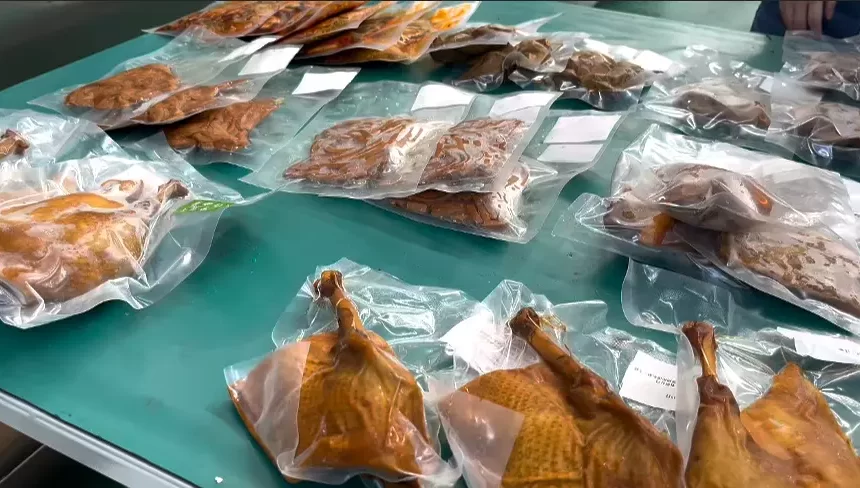
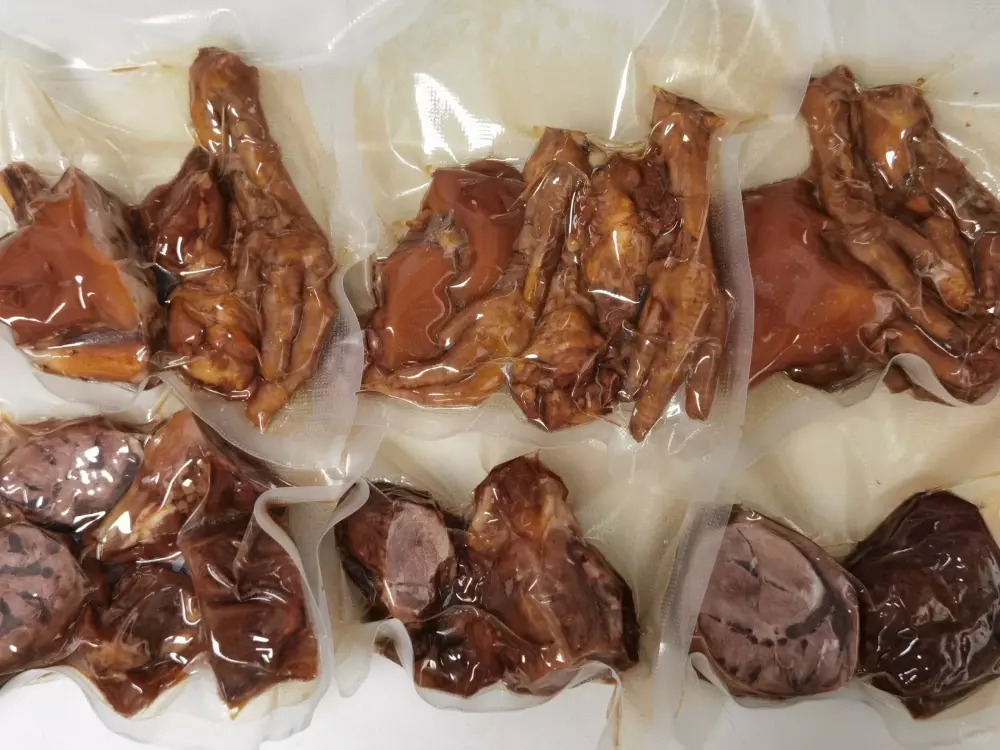
Simply send your packaged food samples, including fruit and vegetable products, braised meats, sauces, and fresh-cut produce, to HiLock. Our team can provide free HPP process validation, including microbial inactivation data and shelf-life testing reports, helping you evaluate the suitability of HPP high pressure pasteurization for your specific products.
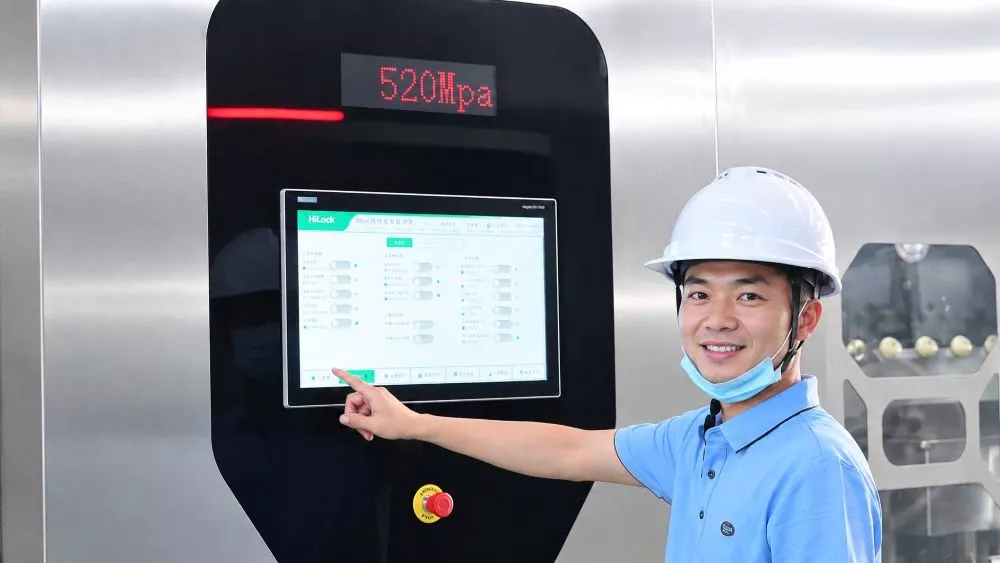
Once the process has been validated, HiLock can further assist with equipment selection, customized processing solutions, and production line planning.
Let data lead your investment. Validate the process first, optimize the technology, and scale production with confidence. HiLock is your partner in advancing food safety and ready-to-eat food processing with HPP technology.