
Table of Contents
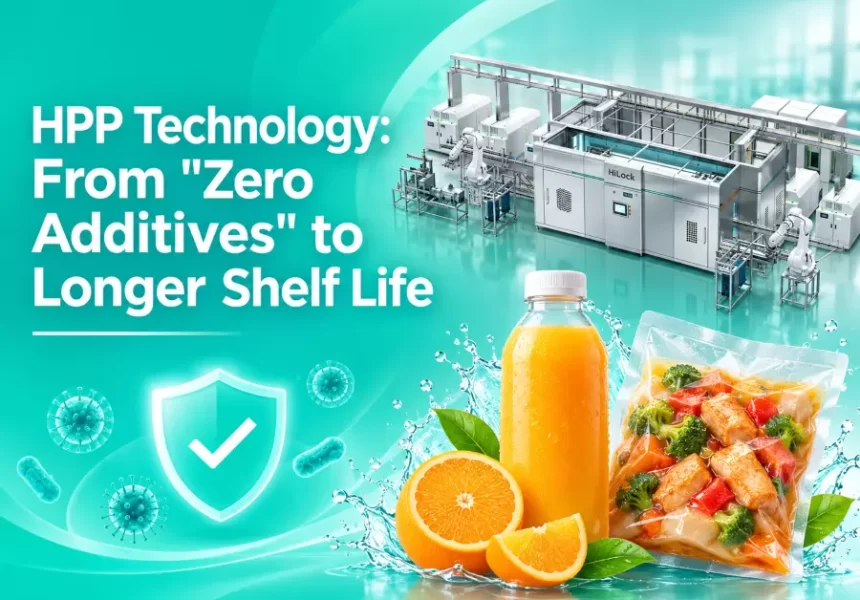
As consumers become increasingly concerned about food health, safety, and ingredient transparency, “zero additives” and “clean label” are becoming important trends in the food industry. Consumers want fewer artificial preservatives, colorants, and other unnecessary additives while maintaining the original flavor, texture, and nutritional value of food. However, simpler formulations also present greater challenges for food manufacturers in microbial control and shelf-life management.
High Pressure Processing (HPP) technology offers a new approach to addressing these challenges. By applying high hydrostatic pressure to sealed food products under relatively low-temperature conditions, HPP technology can reduce the risks associated with various foodborne pathogens and spoilage microorganisms while minimizing the impact of conventional heat processing on flavor, color, and certain heat-sensitive nutrients. It provides food manufacturers with technological support to reduce reliance on traditional preservatives and develop clean label products with more natural characteristics.
Building a Truly Clean Ingredient Label Through Processing Technology
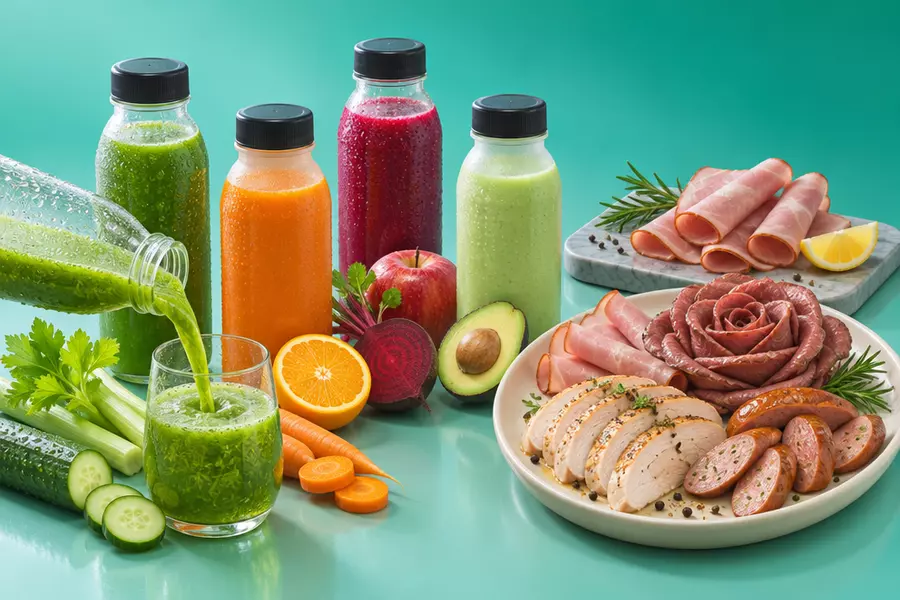
For products such as refrigerated fruit and vegetable juices, ready-to-eat meat products, chilled sauces, and short-shelf-life beverages, consumers expect simpler ingredient lists and fresher flavors. However, manufacturers must address a range of challenges, including microbial control, flavor degradation, color changes, and cold chain stability.
In the past, manufacturers often relied on preservative systems, thermal processing, or other preservation methods to address these challenges. However, conventional processing methods may affect certain heat-sensitive nutrients, natural colors, and flavors. Moving forward, food manufacturers need more advanced processing capabilities to turn “fewer additives” into measurable and verifiable product performance.
HPP technology provides a promising processing option for suitable food products:
- Minimizing Heat-Related Quality Loss: HPP does not rely on prolonged high-temperature treatment, helping reduce the loss of flavor, color, and certain heat-sensitive active compounds in fruit and vegetable juices.
- Improving Microbial Control After Packaging: Products are sealed before entering the HPP vessel. Uniform hydrostatic pressure helps reduce specific microbial risks while minimizing potential contamination risks associated with post-processing handling.
- Supporting Cleaner Formulations: When product safety requirements are met, HPP can help reduce reliance on traditional preservative systems, making simpler ingredient lists a practical possibility rather than just a marketing message.
- Meeting the Needs of Different Food Categories: HPP can help maintain the fresh characteristics of fruit and vegetable juices while supporting microbial control and shelf-life optimization for chilled meat products, sauces, and other refrigerated foods.
From Product Quality to Market Competitiveness: The Business Value of Clean Label Foods
Clean label trends are influencing not only consumer purchasing decisions but also food product development and market competition. Simpler ingredient lists, more natural flavor profiles, and reliable food safety standards can help manufacturers establish differentiated product advantages.
Meanwhile, HPP technology creates new opportunities for developing premium refrigerated food products. For example, cold-pressed juices can retain more of their fresh characteristics by minimizing the impact of thermal processing. Ready-to-eat meat products can also benefit from post-packaging high-pressure treatment to reduce the risks associated with specific pathogens and improve refrigerated food safety management.
For brands targeting premium retail channels, health-conscious consumers, and international markets, the appropriate application of HPP technology can also help optimize product formulations, reduce the need for certain preservatives, and improve distribution and inventory management through extended refrigerated shelf life.
However, actual results depend on factors such as food composition, initial microbial levels, processing pressure, holding time, storage temperature, and packaging conditions. Product-specific testing is therefore essential, as results cannot be generalized across all food categories.
HPP Processing Optimization Requires Proper Validation
HPP is not a universal solution for achieving “zero additives,” nor can it replace proper raw material management, hygienic production environments, packaging integrity, or cold chain control. Different food products have different pH levels, ingredient characteristics, packaging formats, and target shelf lives. Therefore, processing parameters cannot simply be transferred from one product to another.
For example, microbial control requirements differ significantly between low-acid foods and high-acid fruit juices. Products containing complex solid ingredients may also respond differently to HPP treatment compared with homogeneous liquid products.
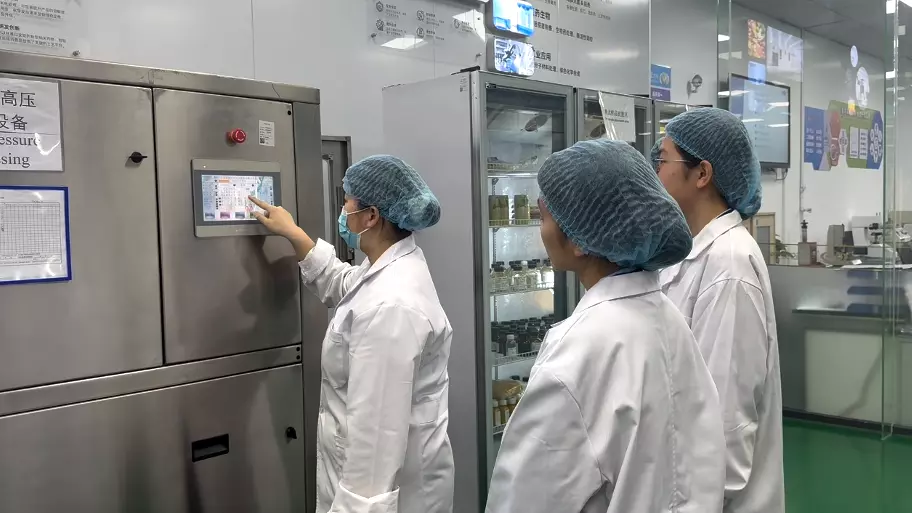
Before adopting HPP technology, manufacturers should thoroughly evaluate their product characteristics and conduct microbial challenge studies, shelf-life testing, and quality comparisons to establish appropriate processing parameters.
HiLock operates food and material testing laboratories with more than 1,000 food-related testing capabilities. We provide a comprehensive validation pathway covering laboratory-scale trials, multi-parameter comparative testing, third-party testing reports, and industrial-scale production validation.
By combining actual test results, manufacturers can evaluate the effects of HPP treatment on product safety, flavor, texture, and shelf life, helping determine the most suitable HPP solution for their specific products.
Turning Clean Label Concepts into Reliable Production
In the future, competition in the food industry will extend beyond simpler ingredient lists. The real challenge is how manufacturers can balance food safety, product quality, and production efficiency.
“Zero additives” should not simply be a marketing claim. It should be supported by scientific processing methods, rigorous testing, and consistent production standards. HPP technology offers food manufacturers an additional processing option, helping them explore clean label product development while addressing microbial control, quality preservation, and refrigerated shelf-life management.
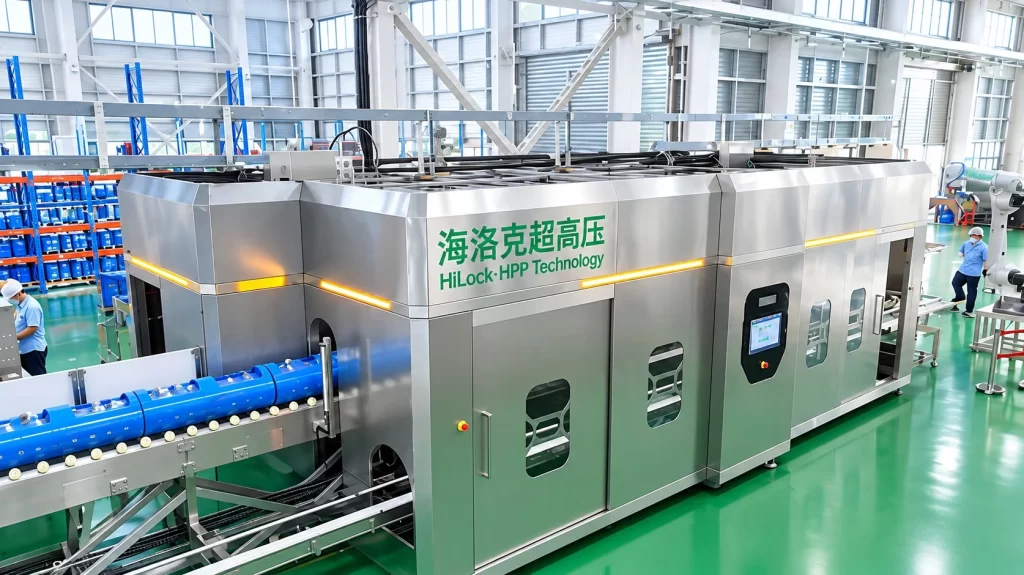
HiLock continues to focus on HPP technology development and applications, providing food and beverage manufacturers with advanced HPP machines, process validation, equipment selection, and integrated production line solutions. Our goal is to help customers turn clean label concepts into safe, consistent, and commercially competitive products.