
Table of Contents
Foodborne Outbreaks Highlight the Need for Better Seafood Safety
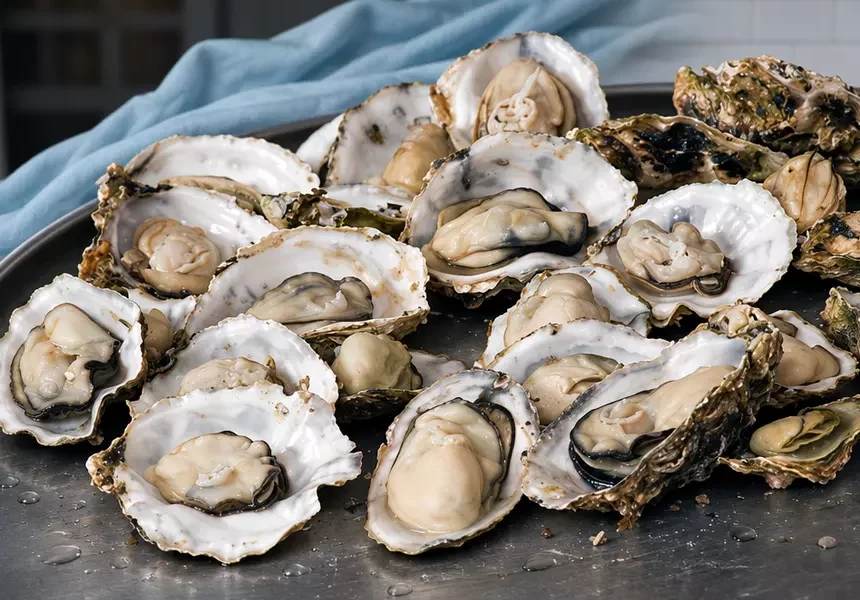
Food safety remains a major concern for the global food industry, particularly for ready-to-eat foods and products consumed without conventional cooking. Raw seafood, including oysters and other shellfish, requires special attention because it can carry naturally occurring microorganisms and pathogens introduced through contaminated harvesting waters or post-harvest handling.
According to the U.S. Centers for Disease Control and Prevention (CDC), multiple foodborne illness investigations have involved pathogens such as Salmonella, Escherichia coli (E. coli), Listeria monocytogenes, and Campylobacter.
The CDC’s 2026 foodborne outbreak investigation list includes several contaminated food products and associated pathogens:
- Raw oysters – Salmonella Telelkebir
- Raw milk cheese – E. coli O26
- Broccoli sprouts – Salmonella Bovismorbificans
- Alfalfa sprouts – Multiple E. coli strains and Salmonella Agona
- Shell eggs – Salmonella Enteritidis
- Jalapeños – Salmonella Javiana
- Frozen blueberries – E. coli O145
- Powdered infant formula – Clostridium botulinum
Among these investigations, the raw oyster outbreak is particularly relevant to seafood processors. According to the CDC’s October 30, 2026 update, 28 people across 13 states were infected with Salmonella Telelkebir linked to raw oysters harvested by Little Wicomico Oyster Company in Virginia. Five people were hospitalized, and no deaths were reported.
This incident highlights the importance of effective post-harvest food safety interventions, especially for seafood products intended for raw or minimally processed consumption.
Source: CDC, Current Outbreaks – Foodborne Outbreaks; Investigation Update: Salmonella Outbreak, October 2026.
Why Are Raw Oysters and Shellfish Vulnerable to Foodborne Pathogens?
Oysters, clams, mussels, and other bivalve shellfish are filter feeders. They continuously filter surrounding water to obtain nutrients, which means they can also accumulate microorganisms from their environment.
Potential biological hazards include:
- Vibrio vulnificus: A naturally occurring marine bacterium associated with severe infections, particularly in vulnerable individuals.
- Vibrio parahaemolyticus: A common seafood-associated pathogen that can cause gastrointestinal illness.
- Salmonella: Can enter seafood production and distribution chains through contaminated environments, handling, or other contamination pathways.
- Listeria monocytogenes: A pathogen of concern in refrigerated ready-to-eat foods, including certain seafood products.
Unlike cooked seafood, raw oysters are often consumed without a final heat-treatment step. Washing, refrigeration, and conventional handling practices alone cannot reliably eliminate all pathogenic microorganisms.
For seafood processors, the challenge is therefore twofold: improving microbial safety while preserving the fresh taste, texture, and appearance that consumers expect from oysters and shellfish.
How High Pressure Processing Improves Oyster and Shellfish Safety
High Pressure Processing (HPP), also known as high hydrostatic pressure processing, is a non-thermal food preservation technology that uses extremely high water pressure to inactivate microorganisms.
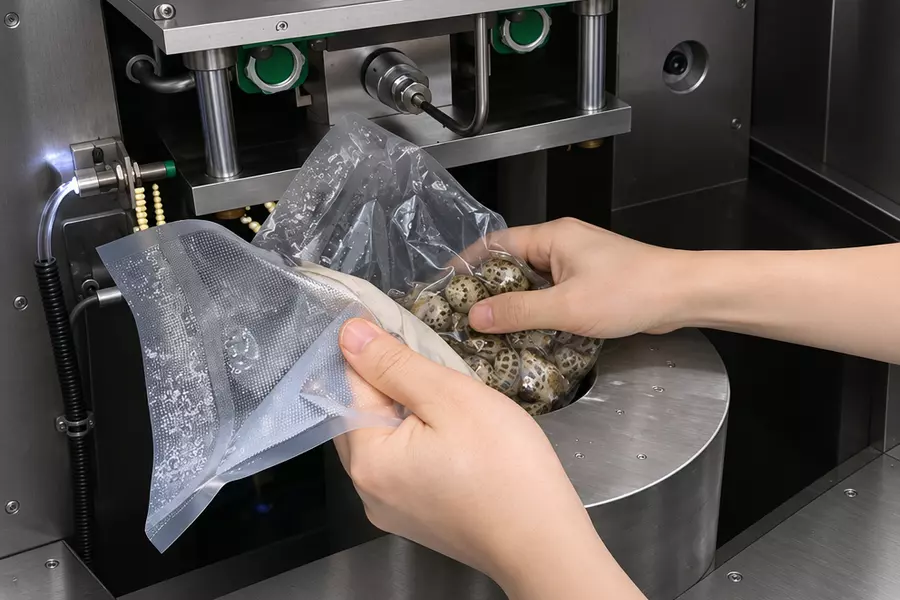
Typically, packaged or appropriately prepared food products are placed inside a pressure vessel filled with water. The equipment then applies uniform hydrostatic pressure, generally within the range of 300–600 MPa for many food applications.
Unlike conventional thermal pasteurization, HPP does not rely primarily on high temperatures to achieve microbial inactivation. This makes it particularly attractive for seafood products where maintaining fresh sensory characteristics is important.
Reducing Pathogenic Microorganisms
HPP can disrupt microbial cell membranes, proteins, and other cellular structures, reducing the viability of pressure-sensitive microorganisms.
Research published in the Journal of Food Protection demonstrated the effectiveness of HPP against Vibrio species in oysters.
One study found that treatment at 250 MPa for 120 seconds achieved a reduction of more than 5 log in naturally occurring Vibrio vulnificus in oysters. Vibrio parahaemolyticus required higher pressure and longer treatment under the investigated conditions. [Source: Cook, D. W. (2003). Journal of Food Protection, 66(12), 2276–2282.]
Another study published in the International Journal of Food Microbiology demonstrated that processing Pacific oysters at 293 MPa for 120 seconds achieved more than a 3.52-log reduction in Vibrio parahaemolyticus. [Source: Ma, L., & Su, Y.-C. (2011). International Journal of Food Microbiology, 144(3), 469–474.]
These findings demonstrate the potential of HPP as a post-harvest intervention for improving oyster safety.
It is important to note that microbial inactivation depends on the target organism, initial contamination level, food composition, pressure, temperature, and holding time. A process validated against Vibrio should not automatically be assumed effective against Salmonella, Listeria, or other pathogens.
Maintaining Fresh Taste and Texture
One of the biggest challenges in seafood preservation is balancing microbial safety with product quality.
Conventional heat treatment can significantly change the texture, flavor, and appearance of seafood. HPP provides an alternative because it can achieve microbial reductions under relatively low-temperature conditions.
For oyster and shellfish processors, potential quality benefits include:
- Maintaining a fresh seafood flavor profile.
- Reducing the need for conventional thermal processing.
- Supporting refrigerated seafood products with extended shelf-life potential.
- Helping preserve desirable sensory characteristics.
However, pressure can also change oyster texture and appearance. Processing parameters must therefore be optimized according to the desired final product.
Improving Oyster Shucking Efficiency
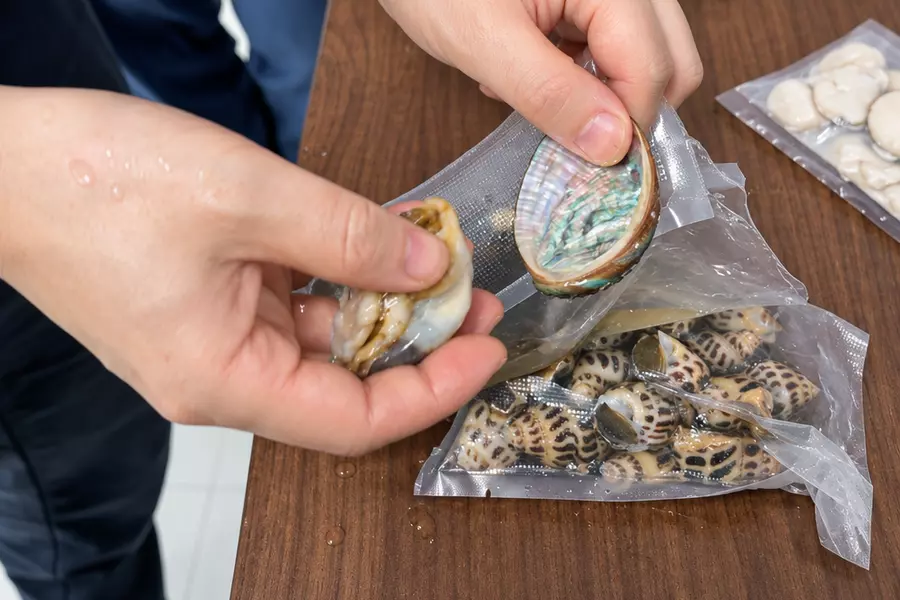
Beyond microbial safety, HPP offers an important processing advantage: pressure-assisted shell opening.
At appropriate pressure levels, HPP can weaken the attachment between the oyster meat and its shell, allowing the meat to separate more easily without traditional manual shucking.
This provides several operational benefits:
- Reduces labor requirements for manual shucking.
- Helps maintain the integrity of oyster meat.
- Improves processing efficiency and product recovery.
- Supports more standardized commercial production.
HPP is also applicable to other shellfish, including clams, mussels, scallops, crabs, and lobsters.
Key Considerations When Selecting HPP Solutions for Seafood Processing
Choosing suitable high pressure processing solutions requires more than selecting equipment with a high maximum pressure rating. Seafood processors should consider product characteristics, production capacity, microbial safety objectives, and final product quality.
Pressure and Holding Time
Different microorganisms respond differently to pressure. For example, Vibrio vulnificus is generally more pressure-sensitive than Vibrio parahaemolyticus.
The appropriate processing parameters must be established through product-specific challenge studies and validation.
For commercial seafood applications, processors may evaluate different pressure levels and holding times to determine the optimal balance between microbial reduction and product quality.
Processing Capacity and Production Requirements
An industrial HPP machine should match the processor’s production volume and packaging specifications.
Important factors include:
- Pressure vessel capacity.
- Processing cycle time.
- Batch throughput.
- Loading and unloading efficiency.
- Automation and operational stability.
For large seafood processing facilities, industrial-scale HPP equipment can help integrate pressure treatment into existing production lines.
Equipment Reliability and Technical Support
When evaluating high pressure processing equipment manufacturers, seafood processors should consider more than the initial equipment investment.
Key evaluation criteria include:
- Pressure vessel design and safety standards.
- High-pressure components and sealing technology.
- Pressure control accuracy and operating stability.
- Maintenance requirements and component service life.
- Technical support and process development capabilities.
Working with an experienced high pressure processing equipment manufacturer can help processors develop a more suitable HPP solution for their specific seafood products and production requirements.
HiLock: High Pressure Processing Solutions for Seafood Applications
As a provider of ultra-high-pressure processing technology, HiLock develops HPP equipment and integrated processing solutions for food manufacturers.
HiLock supports seafood processors in evaluating pressure processing requirements, selecting suitable equipment configurations, and developing application-specific processing parameters.
Its HPP technology can be applied to seafood processing scenarios such as oyster treatment, shellfish shucking, and other high-pressure food preservation applications.
With equipment operating at pressures of up to 600 MPa, HiLock provides solutions designed to support different production capacities, from laboratory testing and process development to industrial-scale manufacturing.
Beyond equipment supply, HiLock offers technical support throughout the application development process, including:
- Product sample testing and process evaluation.
- HPP equipment selection and configuration.
- Customized production line planning.
- Equipment installation and operator training.
- Technical support and lifecycle maintenance.
For seafood manufacturers looking to improve food safety, streamline shellfish processing, and develop premium refrigerated products, HPP offers a promising processing technology.
Conclusion
Foodborne illness investigations, including the 2026 Salmonella outbreak linked to raw oysters, highlight the continuing challenges facing seafood safety.
High Pressure Processing provides seafood manufacturers with an alternative approach to microbial control while offering additional benefits such as pressure-assisted shucking, improved processing efficiency, and the potential to maintain fresh product characteristics.
By working with experienced high pressure processing equipment manufacturers and validating suitable processing parameters, seafood processors can integrate HPP technology into their production systems and develop safer, higher-quality oyster and shellfish products.
As demand for fresh, minimally processed seafood continues to grow, HPP is becoming an increasingly valuable technology for modern seafood processing.