
Table of Contents
Two Recalls, Two Products, One Food Safety Warning
In October 2026, two separate recalls involving Starfish Seafood products raised renewed concerns about Listeria monocytogenes contamination in ready-to-eat (RTE) seafood.
According to the U.S. Food and Drug Administration (FDA), Krasnyi Oktyabr Inc. announced two voluntary recalls involving different cold-smoked fish products.
The first recall, published by the FDA on October 9, involved Starfish Seafood Trio, an 8-ounce vacuum-sealed package containing cold-smoked salmon, halibut, and trout. The affected lot was D139149161-153, with an expiration date of December 1, 2027.
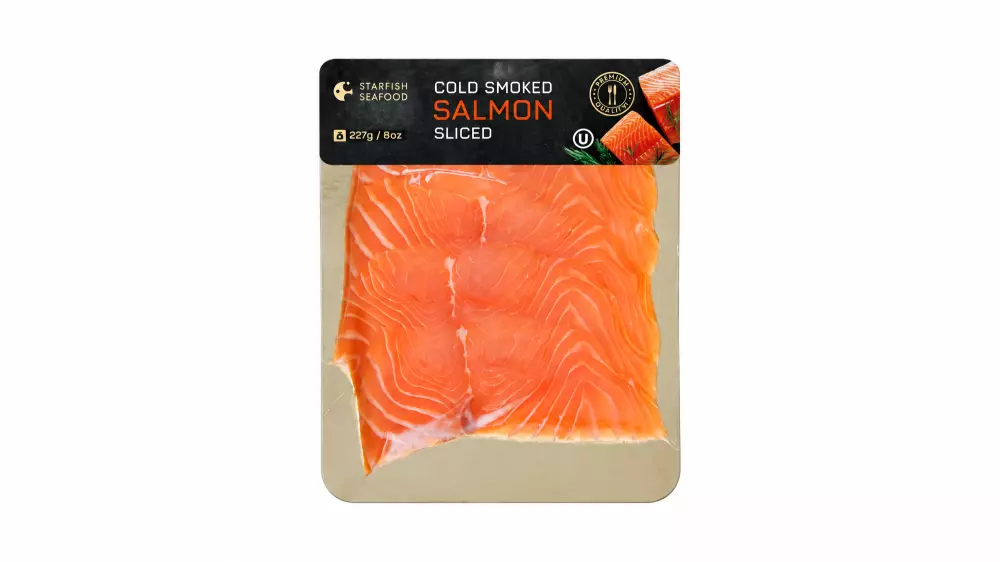
The second recall, published on October 16, involved Starfish Seafood Premium Cold Smoked Norwegian Salmon Sliced, also sold in 8-ounce vacuum-sealed packages. The affected lot was D080-148, with a best-before date of November 27, 2027. This product was distributed in New York, Florida, Georgia, New Jersey, Pennsylvania, and Ohio.
Both recalls were initiated after potential Listeria contamination was identified through product sampling conducted by the New York State Department of Agriculture and Markets. No illnesses had been reported in either recall announcement.
Importantly, Krasnyi Oktyabr Inc. stated that it was a wholesale distributor, not the manufacturer of the recalled products. The official notices did not identify the exact source of contamination.
Nevertheless, two separate recalls involving different products and production lots highlight the importance of comprehensive food safety management, particularly for manufacturers of ready-to-eat seafood.
Sources:
Why Is Listeria Such a Challenge for Cold-Smoked Seafood?
Cold-smoked salmon is a popular ready-to-eat seafood product valued for its delicate texture, distinctive flavor, and convenience. Unlike traditionally cooked seafood, cold-smoked fish is processed at relatively low temperatures and does not undergo a conventional cooking step that reliably eliminates harmful microorganisms.
This creates a significant food safety challenge.
Listeria monocytogenes is particularly concerning because it can survive and grow under refrigeration conditions. Even when products are vacuum-packed and stored at low temperatures, refrigeration alone cannot guarantee microbiological safety.
For manufacturers, the challenge extends beyond controlling contamination during initial processing. Environmental hygiene, equipment design, raw material handling, packaging operations, and post-processing contamination prevention all play essential roles.
Traditional smoking, salting, and refrigeration can help control microbial growth, but they should not be regarded as standalone solutions for eliminating Listeria.
For ready-to-eat seafood producers, an additional validated microbial reduction step can provide an important layer of protection.
High Pressure Processing: A Non-Thermal Solution for Listeria Control
High Pressure Processing (HPP), also known as high-pressure cold pasteurization, is a non-thermal food processing technology that uses extremely high hydrostatic pressure to inactivate harmful microorganisms.
Unlike conventional thermal pasteurization, High Pressure Processing (HPP) applies pressure rather than high temperatures as its primary processing mechanism.
Packaged food products are placed inside a pressure vessel filled with water. Pressure is transmitted uniformly throughout the product, typically within a processing range of 300–600 MPa.
Under these conditions, high pressure disrupts microbial cell membranes, interferes with essential cellular functions, and causes the inactivation of susceptible vegetative microorganisms, including Listeria monocytogenes.
Because High Pressure Processing (HPP) does not rely on conventional high-temperature treatment, it can help preserve the fresh characteristics of seafood, including:
- Texture: Maintaining the delicate structure and eating quality of fish.
- Flavor: Reducing the impact of heat-related flavor changes.
- Appearance: Helping retain the natural appearance of seafood.
- Nutritional Value: Minimizing certain heat-sensitive nutrient losses.
For cold-smoked salmon and other ready-to-eat seafood, High Pressure Processing (HPP) offers a promising approach to improving microbial safety while maintaining important product quality attributes.
Why High Pressure Processing (HPP) Is Particularly Suitable for Ready-to-Eat Seafood
One of the most important advantages of High Pressure Processing (HPP) is that it can be applied after products have been sealed in suitable flexible packaging.
This is especially valuable for vacuum-packed cold-smoked salmon, seafood portions, and other packaged ready-to-eat products.
Processing products in their final sealed packaging helps reduce the risk of recontamination from the processing environment after treatment.
High Pressure Processing (HPP) can offer several advantages for seafood manufacturers:
1. Improved Listeria Control
Validated pressure treatments can significantly reduce Listeria monocytogenes populations in susceptible food matrices. The actual reduction depends on pressure, holding time, initial microbial load, product composition, temperature, and other processing conditions.
2. Non-Thermal Processing
High Pressure Processing (HPP) provides an alternative to conventional heat-based pasteurization for products where maintaining a fresh, minimally processed sensory profile is important.
3. Extended Shelf Life Potential
By reducing spoilage microorganisms, High Pressure Processing (HPP) can help extend the refrigerated shelf life of certain seafood products, subject to product-specific validation and storage conditions.
4. Processing After Packaging
Treating products in their final sealed packaging helps minimize opportunities for post-process contamination and supports a more controlled production workflow.
However, High Pressure Processing (HPP) should not be considered a substitute for good manufacturing practices, sanitation programs, or environmental monitoring. It is an additional food safety intervention that must be integrated into a validated HACCP-based food safety management system.
HPP Is Not a Replacement for Sanitation – It Is an Additional Safety Barrier
The Starfish Seafood recalls illustrate why ready-to-eat seafood manufacturers need to look beyond individual product testing.
Even when contamination is identified through sampling, testing alone cannot guarantee that every product batch is free from pathogens.
A comprehensive food safety strategy should include:
- Hygienic equipment design and effective sanitation procedures.
- Environmental monitoring for Listeria in processing areas.
- Strict separation of raw materials and finished products.
- Validated microbial reduction processes.
- Proper cold-chain management and traceability.
- Routine verification of product safety throughout shelf life.
For manufacturers, HPP can serve as an additional microbial control step within this broader system.
It is also important to distinguish preventive processing from recall remediation. HPP is not a means of making recalled products safe for resale or consumption. Products subject to an official recall must follow the relevant regulatory instructions.
HPP Applications in Seafood Processing
Seafood Processing requires effective microbial control while preserving the natural texture, flavor, and nutritional quality of seafood products. High Pressure Processing provides a non-thermal solution for a wide range of applications, including cold-smoked salmon, shrimp, oysters, shellfish, and ready-to-eat seafood. By applying high pressure to products in their sealed packaging, HPP helps reduce harmful microorganisms and minimize the risk of post-processing contamination. For seafood manufacturers seeking to improve food safety and extend refrigerated shelf life, HPP offers a valuable addition to conventional processing technologies.
How HiLock HPP Technology Supports Seafood Processing
As demand for minimally processed and ready-to-eat seafood continues to grow, manufacturers need processing solutions that balance food safety, product quality, and production efficiency.
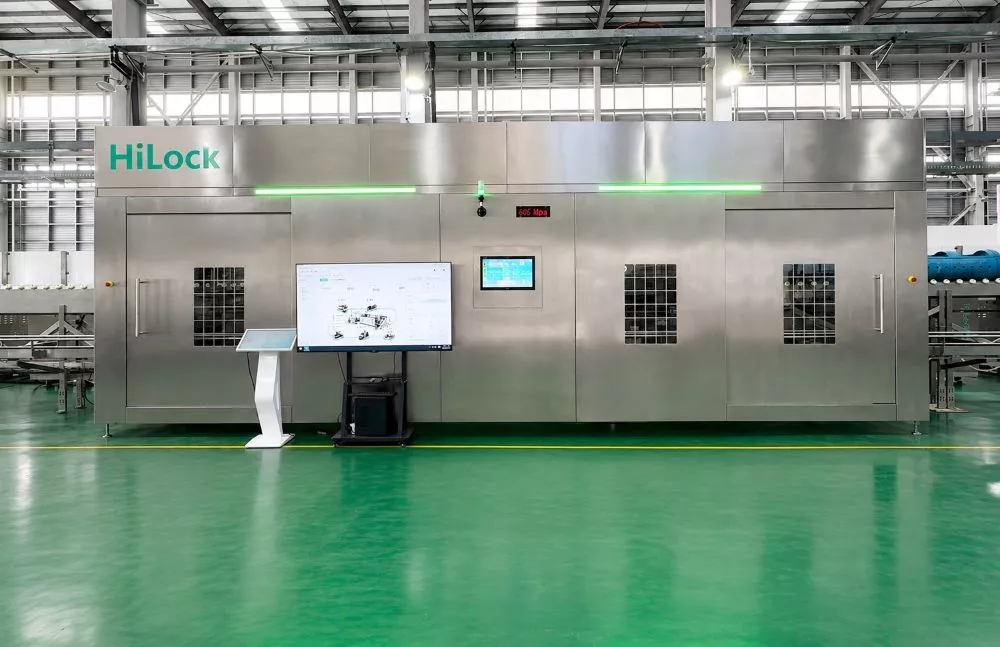
Selecting the right HPP Equipment is essential for achieving consistent processing results and meeting different seafood production requirements. From laboratory-scale testing to large-scale industrial production, HiLock provides HPP systems with adjustable pressure capabilities of up to 600 MPa. With customized vessel capacities, flexible configurations, and professional application support, HiLock helps seafood manufacturers develop reliable high-pressure processing solutions for cold-smoked salmon, shrimp, shellfish, and other ready-to-eat seafood products.
For seafood applications, HiLock can provide:
- Customized Processing Solutions: Pressure and holding-time parameters developed according to specific seafood products and microbial reduction targets.
- Flexible Equipment Configurations: Laboratory, pilot-scale, and industrial HPP systems to support different production requirements.
- Application Testing: Product trials and process validation support to evaluate microbial reduction, texture, flavor, and shelf life.
- Integrated Technical Services: Equipment installation, operator training, process development, and ongoing technical support.
From cold-smoked salmon and seafood portions to shrimp, shellfish, and other ready-to-eat products, HPP offers manufacturers an opportunity to strengthen food safety while maintaining the sensory characteristics consumers expect.
Conclusion: Building Safer Ready-to-Eat Seafood with HPP
The two Starfish Seafood recalls are a reminder that Listeria monocytogenes remains a serious challenge for the ready-to-eat seafood industry.
For cold-smoked fish manufacturers, relying exclusively on refrigeration, traditional smoking, or routine product testing is not enough to establish comprehensive food safety.
High Pressure Processing provides a valuable non-thermal intervention for reducing Listeria in suitable seafood products, particularly when treatment is performed after final packaging.
Combined with hygienic production design, environmental monitoring, and validated food safety procedures, HPP can help manufacturers build a more reliable food safety system.