
Table of Contents
Food preservation has always involved a trade-off between safety, shelf life, and product quality. For decades, thermal pasteurization has been one of the most widely used methods for controlling harmful microorganisms and extending the shelf life of food and beverages.
However, consumer expectations are changing. Today’s consumers increasingly seek fresh-tasting products, recognizable ingredients, fewer artificial preservatives, and better retention of natural nutrients. At the same time, food manufacturers face growing pressure to improve food safety, reduce waste, and maintain consistent product quality throughout distribution.
These changing demands are encouraging food brands to explore alternative preservation technologies.
One technology attracting increasing attention is high-pressure cold pasteurization, also known as High-Pressure Processing (HPP).
Unlike conventional thermal pasteurization, which relies primarily on heat, HPP uses extremely high hydrostatic pressure to inactivate many harmful microorganisms while minimizing thermal exposure. This makes it particularly attractive for manufacturers producing fresh juices, ready-to-eat meals, meat products, seafood, sauces, and other premium food products.
So, how does high-pressure cold pasteurization compare with traditional thermal pasteurization? Why are more food manufacturers considering this technology? And what should businesses know before investing in a high pressure pasteurization machine?
Let’s explore the key differences, benefits, applications, and commercial considerations.
What Is High-Pressure Cold Pasteurization?
High-pressure cold pasteurization is a non-thermal or minimally thermal food preservation technology that uses intense hydrostatic pressure to reduce harmful microorganisms and spoilage organisms in packaged foods. [Source: EFSA, 2022]
In commercial food processing, products are commonly subjected to pressures ranging from 300 to 600 MPa, depending on the food formulation, target microorganisms, and required processing conditions.
The process generally involves three steps:
Step 1: Product Packaging
Food is filled and sealed in flexible or semi-flexible packaging materials specifically designed to withstand high-pressure treatment.
Step 2: High-Pressure Treatment
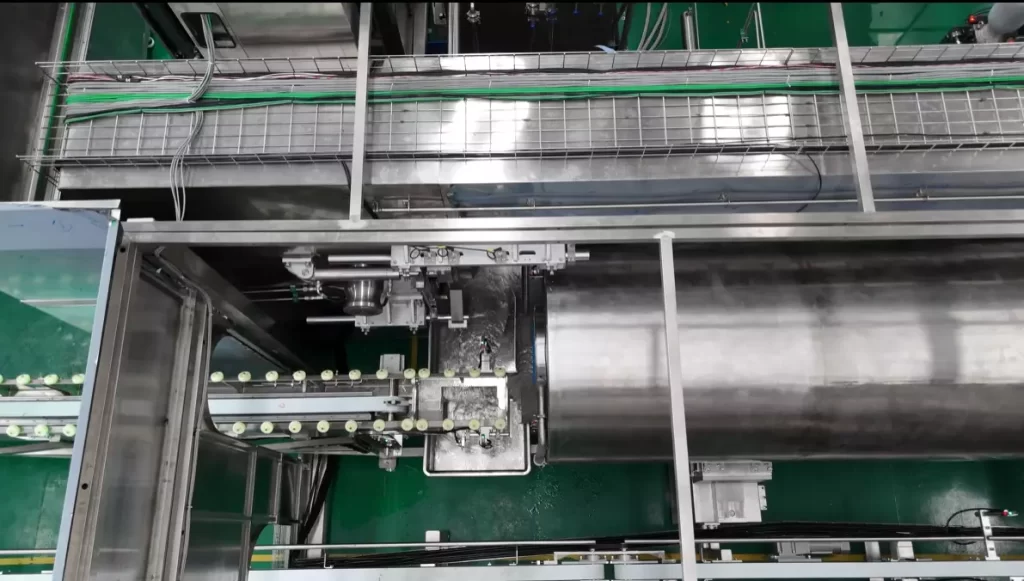
The packaged products are loaded into a pressure vessel filled with water. The vessel is then pressurized using a high-pressure intensifier system.
Pressure is transmitted uniformly through the water and into the packaged food, regardless of the product’s shape or size.
Step 3: Pressure Release and Distribution
After the required pressure and holding time are achieved, the pressure is released. The treated products can then proceed to labeling, secondary packaging, refrigerated storage, and distribution.
How Does HPP Inactivate Microorganisms?
High pressure affects microorganisms by disrupting important cellular structures and biological functions, including:
- Cell membrane integrity and permeability.
- Protein structure and enzyme activity.
- Essential metabolic processes.
- Cellular mechanisms required for microbial survival and reproduction.
Unlike conventional heating, high-pressure processing generally has a limited impact on many small-molecule nutrients and flavor compounds because it does not rely on prolonged exposure to high temperatures.
This selective effect helps manufacturers reduce microbial contamination while maintaining many of the original characteristics of fresh foods.
It is important to understand that HPP is not equivalent to sterilization. Bacterial spores can survive conventional commercial HPP conditions, and certain enzymes and microorganisms may also exhibit pressure resistance. Therefore, each food product requires appropriate process validation and a suitable preservation strategy.
HPP vs. Thermal Pasteurization: What Are the Key Differences?
Both thermal pasteurization and high-pressure processing are designed to improve food safety and extend shelf life. However, they achieve microbial inactivation through different physical mechanisms.
Processing Principles
Thermal Pasteurization
Traditional pasteurization uses controlled heat exposure for a specified period to reduce pathogenic and spoilage microorganisms.
Depending on the food category and processing requirements, products may be heated using hot water, steam, heat exchangers, or other thermal systems.
Although effective, heat can also affect the food’s natural composition, potentially changing its flavor, color, texture, and heat-sensitive nutrients.
High-Pressure Cold Pasteurization
HPP uses hydrostatic pressure rather than conventional high-temperature treatment as its primary preservation mechanism.
Products are typically processed at approximately 300–600 MPa under ambient or chilled initial temperature conditions. During compression, the product experiences some adiabatic temperature increase, but its overall thermal exposure is generally much lower than that of conventional thermal pasteurization.
This approach enables manufacturers to achieve microbial reduction while preserving more of the product’s fresh characteristics.
Comparison of HPP and Thermal Pasteurization
| Comparison Factor | Thermal Pasteurization | High-Pressure Processing |
|---|---|---|
| Primary mechanism | Heat | Hydrostatic pressure |
| Typical processing conditions | Product-specific heating temperatures and holding times | Approximately 300–600 MPa |
| Thermal exposure | Relatively high | Generally low |
| Microbial control | Effective against many vegetative pathogens and spoilage organisms | Effective against many vegetative microorganisms |
| Nutrient retention | Heat-sensitive nutrients may degrade | Many heat-sensitive nutrients can be better retained |
| Flavor and color | May cause thermal changes | Often maintains fresher sensory characteristics |
| Texture | Can cause heat-induced changes | Pressure-dependent structural changes may occur |
| Packaging | Depends on the thermal process | Pressure-resistant flexible packaging is generally required |
| Shelf-life extension | Depends on product and process | Can significantly extend refrigerated shelf life |
| Spore inactivation | Requires an appropriate sterilization process | Conventional HPP alone is generally insufficient |
The key distinction is not that one technology replaces the other in every situation. Rather, each technology offers different advantages depending on the food matrix, safety requirements, production scale, and desired product characteristics.
Nutritional Quality and Fresh Taste
One of the strongest commercial advantages of high-pressure cold pasteurization is its potential to preserve the original quality of food.
Traditional heating can accelerate the degradation of certain heat-sensitive compounds, including vitamin C and some bioactive components. It may also produce undesirable cooked flavors in fruit juices, vegetable products, and other fresh foods.
HPP operates differently. Since pressure has a relatively limited effect on many covalent bonds, it can preserve numerous nutritional and flavor compounds while affecting microorganisms and pressure-sensitive proteins. However, its effectiveness depends on food composition, processing conditions, and the target microorganisms. (Source: European Food Safety Authority (EFSA). (2022). The Efficacy and Safety of High-Pressure Processing of Food.)
For example, HPP-treated fruit juices can retain more of their fresh fruit flavor and heat-sensitive nutrients compared with certain conventional thermal treatments.
However, the actual nutritional and sensory results depend on the food composition, pressure level, holding time, temperature, and storage conditions.
For brands positioning their products around freshness, natural ingredients, and premium quality, these characteristics can create meaningful product differentiation.
Why Are Food Brands Turning to High-Pressure Cold Pasteurization?
The growing interest in HPP is closely connected to changes in consumer preferences and the commercial requirements of modern food manufacturing.
Meeting the Demand for Clean-Label Foods
Consumers increasingly pay attention to ingredient lists and prefer products with fewer artificial preservatives and additives.
For food manufacturers, reducing dependence on chemical preservatives can become an important part of product positioning.
High-pressure cold pasteurization provides an alternative preservation approach by using physical pressure to reduce microbial populations.
For example, fresh juice manufacturers can use HPP to improve microbiological stability without relying solely on conventional heat treatment or additional chemical preservatives.
This creates opportunities to develop clean-label products that better align with consumer expectations.
It should be noted that HPP does not automatically make every product preservative-free. The final formulation and preservation strategy must still meet applicable food safety requirements.
Extending Shelf Life and Reducing Food Waste
Shelf life is a critical factor in food manufacturing, especially for products with high moisture content and relatively short distribution windows.
Microbial growth can cause spoilage, product returns, and unnecessary food waste.
HPP can reduce many vegetative spoilage microorganisms, helping manufacturers extend the refrigerated shelf life of suitable products.
Depending on the food matrix and validated processing conditions, HPP-treated products may achieve substantially longer shelf lives than their untreated counterparts.
For businesses distributing fresh juices, chilled meat products, seafood, and ready-to-eat meals, this can provide several commercial advantages:
- More flexible distribution schedules.
- Longer retail availability.
- Reduced product spoilage and returns.
- Improved inventory management.
- Greater access to geographically distant markets.
The actual shelf-life improvement must be established through product-specific microbiological and quality testing.
Preserving Natural Flavor, Color, and Texture
Food quality is not determined by microbial safety alone.
Consumers also evaluate products based on appearance, taste, aroma, and mouthfeel.
Excessive thermal exposure may cause fruit juices to develop cooked flavors, meat products to experience unwanted texture changes, and vegetable-based products to lose some of their natural characteristics.
HPP offers a different processing approach that can reduce these heat-related quality changes.
This is especially valuable for premium food categories where fresh taste and natural appearance directly influence purchasing decisions.
Improving Food Safety and Reducing Post-Processing Contamination
Another important advantage of HPP is that it is commonly applied after products have been sealed in their final packaging.
Because the treatment is performed on packaged products, it can reduce the risk of microbial recontamination associated with post-process slicing, handling, and packaging operations.
This is particularly relevant to ready-to-eat meat products, seafood, dips, and prepared foods.
However, HPP does not eliminate the need for hygienic manufacturing practices, environmental monitoring, cold-chain management, and a validated food safety system.
Key Food Applications of High-Pressure Processing
HPP is already used across several food categories, particularly products that benefit from fresh-like quality and extended refrigerated shelf life.
Fruit Juices and Beverages
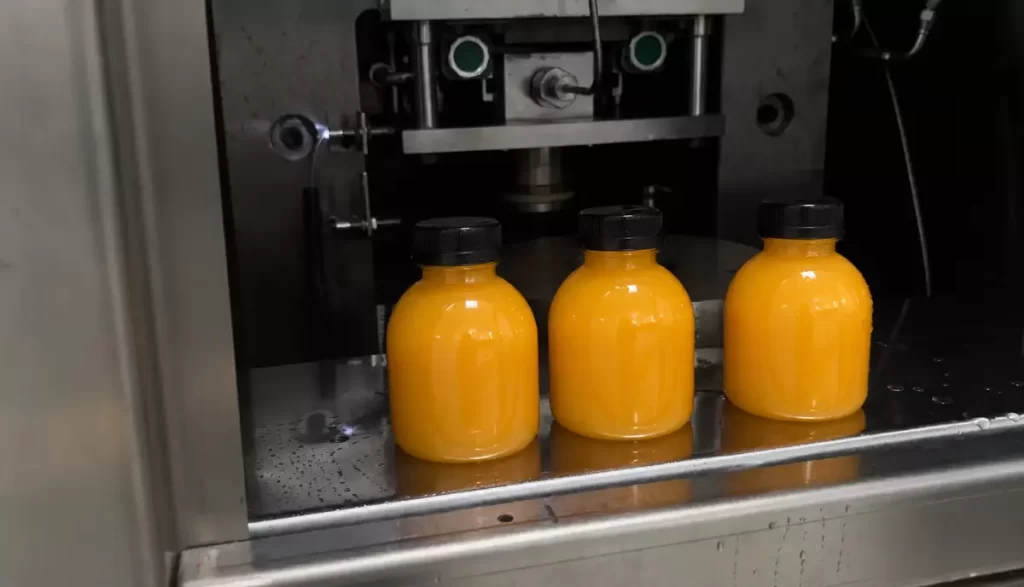
Fresh juices, smoothies, coconut water, and other fruit-based beverages are among the most recognized applications of high-pressure cold pasteurization.
Conventional heat treatment may affect delicate flavor compounds, aromas, and heat-sensitive vitamins.
HPP provides an alternative by reducing many vegetative microorganisms while helping maintain the natural characteristics of the beverage.
Typical applications include:
- Fresh orange and apple juice.
- Cold-pressed vegetable juice.
- Coconut water.
- Fruit smoothies.
- Functional beverages.
For beverage brands, HPP can support premium product positioning and more flexible refrigerated distribution.
Meat and Ready-to-Eat Products
Ready-to-eat meat products are another important application area.
Products such as sliced ham, cooked poultry, deli meats, and packaged meat snacks can be exposed to microbial contamination during post-cooking handling and slicing.
Applying HPP after packaging helps reduce many vegetative pathogens, including Listeria monocytogenes, when an appropriate validated process is used.
This makes HPP particularly attractive for manufacturers seeking additional microbial control without significantly changing the characteristics of their finished products.
Seafood and Aquatic Products
Seafood is highly perishable and can be particularly sensitive to conventional processing conditions.
HPP is used in various seafood applications, including oysters, shellfish, shrimp, and packaged seafood products.
In addition to microbial reduction, pressure can help separate shellfish meat from shells, improving processing efficiency in certain applications.
For seafood manufacturers, HPP offers opportunities to improve product handling, processing consistency, and refrigerated shelf-life management.
Sauces, Dips, and Ready-to-Eat Meals
HPP is also suitable for many high-moisture sauces, dips, and prepared foods.
Common examples include:
- Guacamole and avocado-based products.
- Hummus.
- Salad dressings.
- Fresh salsa.
- Vegetable purees.
- Refrigerated ready-to-eat meals.
These products often contain ingredients that are sensitive to heat, making high-pressure processing an attractive alternative to conventional thermal treatment.
Nevertheless, formulation factors such as pH, fat content, water activity, and ingredient interactions must be considered when developing an appropriate HPP process.
What Are the Limitations of High-Pressure Cold Pasteurization?
Although HPP offers significant advantages, it is not a universal replacement for thermal pasteurization.
Food manufacturers should understand its limitations before investing in the technology.
Limited Effectiveness Against Bacterial Spores
One of the most important limitations is the resistance of bacterial spores to conventional HPP conditions.
Spores produced by certain Bacillus and Clostridium species can survive pressure treatments that effectively inactivate many vegetative microorganisms.
For low-acid foods, especially products requiring ambient-temperature stability, conventional HPP alone may not provide sufficient microbial control.
Additional preservation technologies, such as refrigeration, acidity control, antimicrobial hurdles, or appropriately designed pressure-assisted thermal processing, may be necessary.
Product and Packaging Compatibility
HPP is most suitable for products with sufficient moisture content and packaging that can withstand compression and decompression.
Flexible packaging materials such as certain plastic pouches and bottles are commonly used.
However, rigid containers, glass packaging, and products containing significant amounts of trapped air may create processing challenges.
Packaging selection should therefore be evaluated through pressure compatibility and product testing before commercial production.
Initial Equipment Investment
A commercial high pressure pasteurization machine requires specialized pressure vessels, intensifier systems, control systems, and safety components.
The initial investment can be higher than that of some conventional thermal processing systems.
Manufacturers must also consider equipment capacity, processing cycle time, energy consumption, maintenance, labor, and production integration.
A proper investment assessment should compare the total cost of ownership with the potential benefits of improved product quality, reduced spoilage, longer shelf life, and premium market positioning.
Understanding these limitations helps businesses determine whether HPP is technically and commercially appropriate for their products.
HiLock: Integrated HPP Equipment and Application Solutions
As food manufacturers increasingly explore high-pressure cold pasteurization, choosing the right technology partner becomes just as important as choosing the equipment itself.
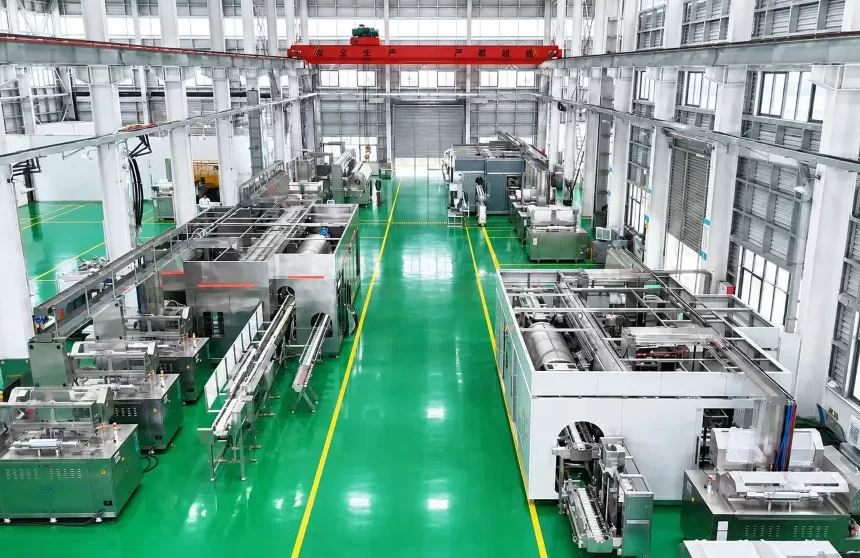
HiLock specializes in the research, design, and manufacturing of high-pressure equipment, providing integrated application solutions for the global food and beverage industry.
With capabilities in precision machining, supply chain management, customized engineering, and equipment manufacturing, HiLock supports customers throughout the development and industrialization of HPP applications.
Our capabilities include:
Comprehensive HPP Equipment Portfolio
From laboratory-scale systems to pilot and industrial production equipment, HiLock provides solutions designed for different processing capacities and manufacturing requirements.
Advanced Engineering and Manufacturing
Our multidisciplinary R&D team works with modern production facilities, standardized quality control systems, a dedicated ultra-high-pressure laboratory, and comprehensive testing equipment.
Customized Equipment Solutions
We develop customized configurations based on customers’ production capacity, facility layout, packaging requirements, and specific food processing applications.
Integrated Application Support
Beyond equipment manufacturing, our services cover process development, product testing, equipment installation, operator training, and lifecycle maintenance.
By combining advanced high-pressure engineering with practical food processing experience, HiLock aims to help food manufacturers improve production efficiency while developing safer, fresher, and higher-quality food products.
Conclusion
The food industry is moving toward preservation technologies that balance food safety, product quality, and manufacturing efficiency.
Thermal pasteurization will continue to play an essential role in food processing, particularly where high-temperature treatment or commercial sterilization is required.
However, for products where fresh taste, natural ingredients, and refrigerated shelf-life extension are important, high-pressure cold pasteurization offers an increasingly attractive alternative.
Its ability to reduce many harmful microorganisms while maintaining more of the original sensory and nutritional characteristics makes HPP a valuable technology for modern food manufacturers.
As demand for premium beverages, fresh ready-to-eat foods, and clean-label products continues to evolve, high pressure processing is expected to remain an important part of food preservation innovation.
For manufacturers considering this technology, the next step is to evaluate product compatibility, validate the required processing parameters, and select an equipment solution that matches their production goals.