
Table of Contents
On July 1, 2026, a significant change to EU food safety regulations came into effect. Under Commission Regulation (EU) 2024/2895, stricter microbiological criteria apply to ready-to-eat (RTE) foods capable of supporting the growth of Listeria monocytogenes.
The amended regulation specifies that when food business operators cannot demonstrate, to the satisfaction of the competent authority, that Listeria monocytogenes levels will remain below 100 CFU/g throughout the product’s shelf life, the products must meet a stricter requirement: Listeria monocytogenes must not be detected in 25 g of product throughout its entire shelf life.
This change means that manufacturers can no longer rely solely on microbiological test results obtained at the factory gate. They must also provide sufficient shelf-life validation data to demonstrate that their products remain safe throughout transportation, storage, and retail distribution.
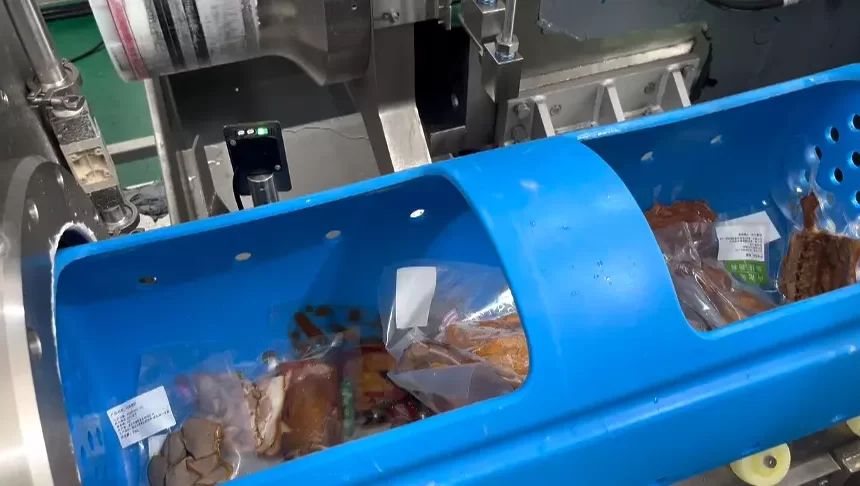
For cooked meat products, ready-to-eat meats, vacuum-packed meat products, and other chilled meat products, controlling pathogens such as Listeria monocytogenes while extending refrigerated shelf life has become a critical challenge.
As international food safety standards continue to evolve, meat processors face an important question: How can they improve microbial safety while maintaining product quality, nutritional value, and shelf life?
Official References:
The Dilemma of Traditional Meat Preservation Methods
To meet stricter food safety requirements, manufacturers must first reconsider their processing methods.
Traditional preservation technologies often involve trade-offs between microbial safety and product quality.
- Thermal Processing: High-temperature treatment can effectively reduce microbial loads and extend shelf life. However, excessive heat may cause protein denaturation, damage muscle fiber structure, and lead to moisture loss. As a result, meat products may become dry, tough, and lose their original flavor and freshly cooked texture.
- Reliance on Chemical Preservatives: Some manufacturers increase preservative usage to control microbial growth during refrigerated storage. However, growing demand for clean-label products and stricter formulation requirements are encouraging the industry to reduce dependence on chemical preservatives. Conventional approaches may also be insufficient without proper process control and validation.
Is there a technology that can effectively inactivate harmful microorganisms without conventional high-temperature treatment, while helping manufacturers establish reliable food safety validation data?
High Pressure Processing (HPP) offers a promising solution.
HiLock HPP Sterilization Technology: Supporting Safer and Higher-Quality Meat Production
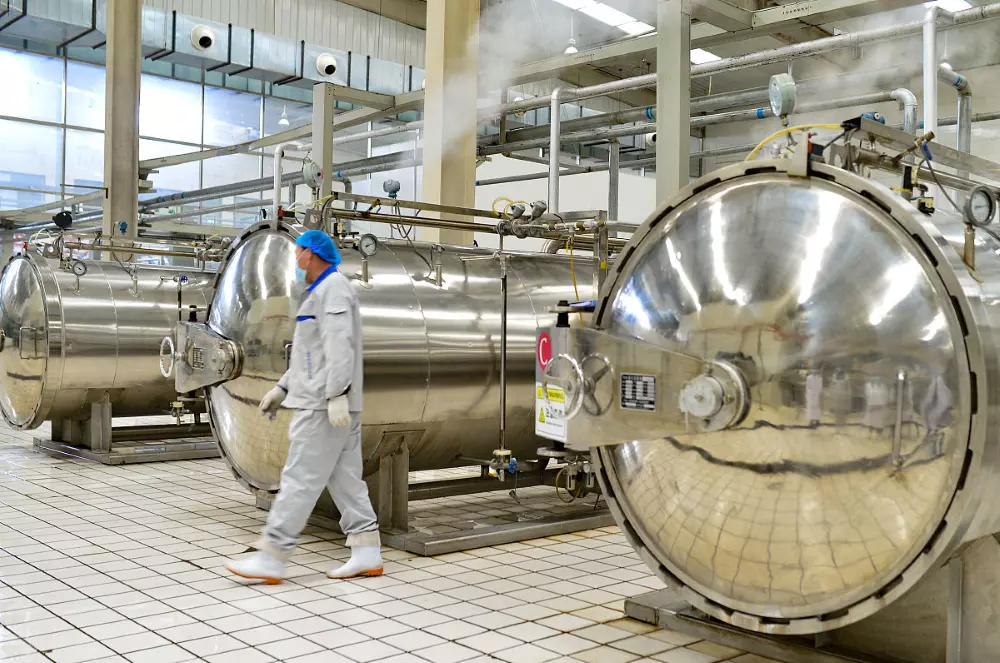
High Pressure Processing (HPP), also known as high-pressure cold pasteurization, is a non-thermal food processing technology performed after products have been sealed in their final packaging.
Packaged products are placed inside a high-pressure vessel, where water acts as the pressure-transmitting medium. Uniform hydrostatic pressure is applied throughout the product without conventional high-temperature heating.
A commonly used commercial processing condition is 600 MPa for approximately 3 minutes. Under appropriately validated conditions, HPP sterilization technology can achieve reductions of 5 log or more in non-spore-forming foodborne pathogens, including Listeria monocytogenes, Salmonella, and Escherichia coli O157.
Depending on product formulation, packaging, initial microbial load, and storage conditions, HPP-treated meat products may achieve refrigerated shelf lives of approximately 28–60 days. The technology can also help manufacturers reduce reliance on chemical preservatives while maintaining desirable product characteristics.
As a manufacturer of high pressure processing equipment, HiLock provides more than a solution for preserving the natural texture, flavor, and quality of meat products. It also helps manufacturers establish a scientific foundation for microbial control and process validation.
Key advantages of HiLock HPP sterilization technology include:
- Validated 5-log or Greater Pathogen Reduction: Under suitable and validated processing conditions, such as 600 MPa for 3 minutes, HPP sterilization can achieve reductions of 5 log (99.999%) or more in target non-spore-forming pathogens, including Salmonella, Listeria monocytogenes, and E. coli O157.
- Data-Driven Food Safety Validation: Pressure parameters, holding times, batch processing records, and microbiological shelf-life test results can provide important supporting evidence for food safety management and regulatory assessments. These records help manufacturers demonstrate that their HPP process is appropriately controlled and validated for specific products and intended shelf lives.
By combining reliable equipment performance with product-specific process validation, HiLock helps meat processors strengthen microbial control and prepare for increasingly demanding international food safety requirements.
Validate Before Investing: HiLock HPP Sterilization Process Validation Services
As food safety regulations become stricter, success depends not only on equipment performance but also on the ability to validate processing conditions.
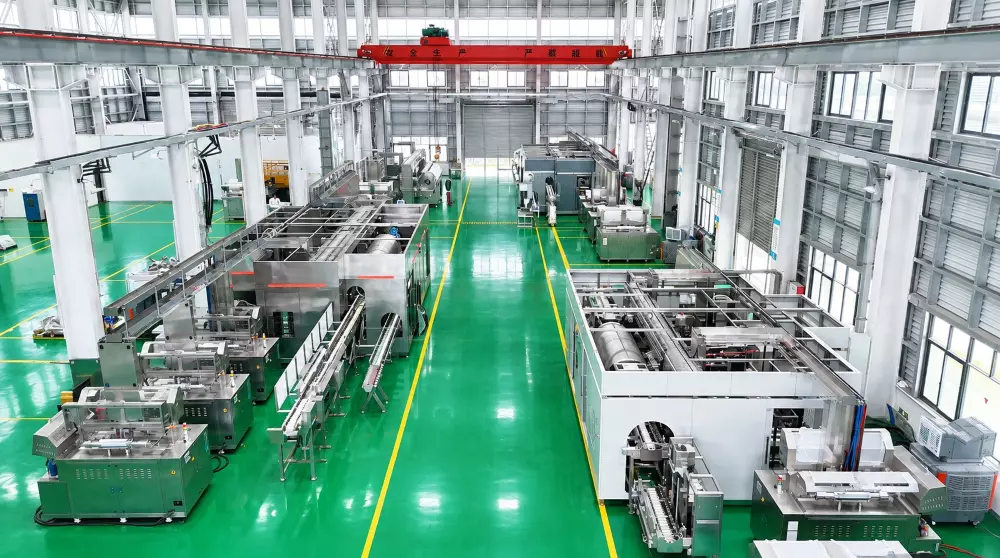
HiLock operates its own food materials laboratory and maintains a process database covering more than 1,000 food materials and formulations.
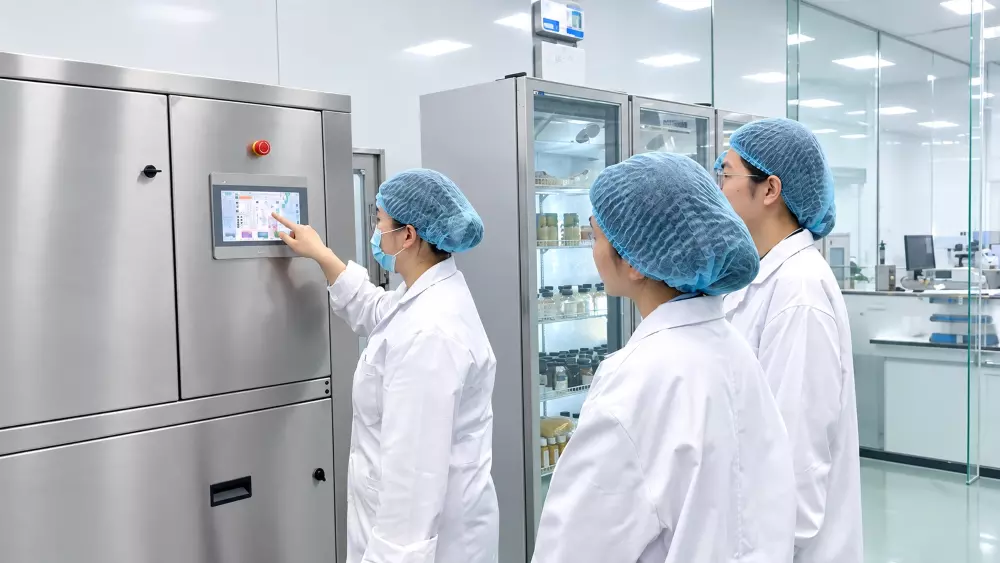
Before making a significant investment in high pressure processing equipment, manufacturers can send product samples to the HiLock laboratory for preliminary testing at no charge.
Our engineering team works with customers to evaluate processing parameters, optimize pressure conditions, and assess product performance. Depending on the testing requirements, the validation process can include:
- Pathogen Inactivation Testing: Evaluating the reduction of target microorganisms under selected HPP conditions.
- Shelf-Life Testing: Monitoring microbiological changes during refrigerated storage.
- Product Quality Assessment: Evaluating changes in texture, appearance, flavor, and other relevant quality indicators.
- Process Optimization: Identifying suitable pressure and holding-time combinations for specific products.
Based on the test results, HiLock can provide a process validation report to support high pressure processing equipment selection and subsequent production planning.
This approach allows manufacturers to make equipment investment decisions based on actual product data rather than assumptions, helping reduce technical risks before commercial production.
Conclusion
As international food safety standards continue to evolve, the meat processing industry is moving beyond conventional preservation methods toward science-based validation and comprehensive risk management throughout the production and distribution chain.
The ability to control foodborne pathogens while reducing reliance on chemical preservatives and preserving the original flavor, texture, and nutritional characteristics of meat products has become an important focus for food manufacturers.
HPP sterilization technology offers new opportunities for improving meat safety, extending refrigerated shelf life, and enhancing product quality.
With advanced high pressure processing equipment and product-specific process validation services, HiLock is committed to helping meat processors develop safer, higher-quality, and more competitive products for global markets.