
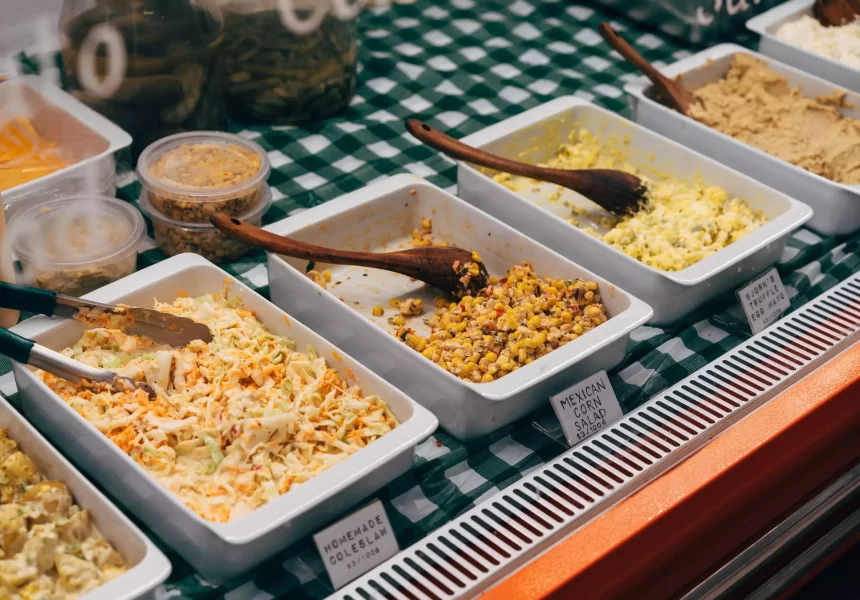
Fresh deli salads and dips have become increasingly popular among consumers looking for convenient, ready-to-eat food options. Products such as hummus, guacamole, salsa, coleslaw, potato salad, bean salads, and prepared vegetable dips offer convenience and fresh taste, but their high moisture content, minimally processed ingredients, and ready-to-eat nature also create significant challenges for manufacturers.
Maintaining food safety while preserving fresh flavor, texture, color, and nutritional quality is particularly important for refrigerated deli products. Traditional thermal processing can provide effective microbial control, but excessive heat may negatively affect the sensory characteristics that consumers associate with fresh foods.
High pressure processing (HPP) provides an alternative approach. By using extremely high hydrostatic pressure rather than relying primarily on heat, HPP can help reduce targeted microorganisms while maintaining many of the fresh characteristics of deli salads and dips. For manufacturers, the technology offers opportunities to improve product safety, extend refrigerated shelf life, and develop clean-label products without fundamentally changing their fresh-food positioning.
Why Food Safety Is a Critical Challenge for Fresh Deli Salads and Dips
Fresh deli salads and dips typically contain ingredients with relatively high water activity and are often consumed without further cooking. Depending on the formulation, processing environment, packaging, storage conditions, and handling practices, microorganisms can become a significant food safety concern.
Products containing vegetables, fruits, legumes, dairy ingredients, herbs, and other fresh components may be particularly sensitive to contamination during ingredient preparation, mixing, filling, and packaging.
Several factors make food safety management challenging:
- High moisture content can support microbial growth.
- Ready-to-eat products generally do not receive additional cooking before consumption.
- Multiple ingredients can introduce different microbial risks.
- Refrigerated distribution requires consistent temperature control.
- Extended shelf life increases the importance of controlling microbial growth throughout the product’s intended storage period.
For these reasons, manufacturers need a comprehensive food safety strategy that combines hygienic production, validated sanitation procedures, appropriate packaging, cold-chain management, and effective microbial reduction technologies.
HPP can become an important part of this overall strategy.
How HPP Protects Salads and Dips
HPP, short for High Pressure Processing, is a cold pasteurization technology that uses water as the pressure-transmitting medium to apply hydrostatic pressure of up to 600 MPa (approximately 6,000 bar) to food at low temperatures, typically between 5°C and 20°C.
Unlike conventional thermal pasteurization, HPP works through a fundamentally different mechanism. Rather than destroying covalent bonds in food components, high pressure primarily disrupts the cellular structures of microorganisms, enabling the effective inactivation of pathogens and spoilage microorganisms such as Salmonella, Escherichia coli, and Listeria. As a result, key nutritional and sensory qualities, including vitamins, flavor compounds, and natural pigments, can be better preserved.
HPP Key Benefits: Enhanced Safety, Fresh Quality Preserved
Enhanced Safety: Effective Pathogen Reduction
HPP can effectively inactivate pathogens such as Salmonella, Listeria, and norovirus, with validated processes capable of achieving significant microbial reductions, potentially up to 99.999% depending on the microorganism, product formulation, and processing conditions. This makes HPP particularly valuable for ready-to-eat salads and dips that do not undergo additional heating before consumption, helping manufacturers establish an additional barrier against food safety risks.
Extending Refrigerated Shelf Life with HPP
Beyond food safety, shelf life is one of the most important commercial considerations for deli products.
Fresh salads and dips often have relatively limited refrigerated shelf life because microorganisms can multiply during storage. A short shelf life can create challenges throughout the supply chain, including production scheduling, inventory management, transportation, retail distribution, and food waste.
By reducing relevant spoilage microorganisms, high pressure processing can help slow microbial deterioration and potentially extend the refrigerated shelf life of appropriately formulated products.
Longer shelf life can provide manufacturers with greater flexibility across the supply chain. It may allow products to travel longer distances, reduce pressure on production schedules, improve inventory management, and potentially reduce product losses caused by premature spoilage.
However, HPP does not automatically guarantee a specific shelf life. Actual shelf-life extension must be established through product-specific testing under defined storage conditions.
Freshness Preserved: Retaining Nutrients, Flavor, and Texture
Food safety and shelf life are important, but they are only part of the equation.
Deli salads and dips are often purchased because they look and taste fresh. Excessive heat treatment can affect sensitive components and potentially change color, flavor, aroma, viscosity, or texture.
This is where HPP can offer a significant advantage.
Because pressure is applied uniformly throughout the packaged product and the process can be performed with limited thermal exposure, HPP can help preserve many of the sensory characteristics associated with fresh foods.
For products such as guacamole, hummus, salsa, vegetable dips, and refrigerated prepared salads, manufacturers may use HPP to pursue a balance between:
Microbial control + Fresh quality + Extended refrigerated shelf life
The actual results depend strongly on product formulation and process conditions. For example, acidity, fat content, particle size, stabilizers, packaging, and ingredient interactions can all influence how a product responds to HPP.
Naturally Preserved, No Additives: Say Goodbye to Preservatives
HPP technology can reduce the need for preservatives such as potassium sorbate and sodium benzoate, helping manufacturers develop products that align with clean-label trends. Depending on the formulation and applicable regulations, HPP-treated foods can support claims such as “non-thermal processed” and “no added preservatives,” meeting growing consumer demand for natural, minimally processed, and healthier food products.
HPP Applications for Fresh Deli Salads
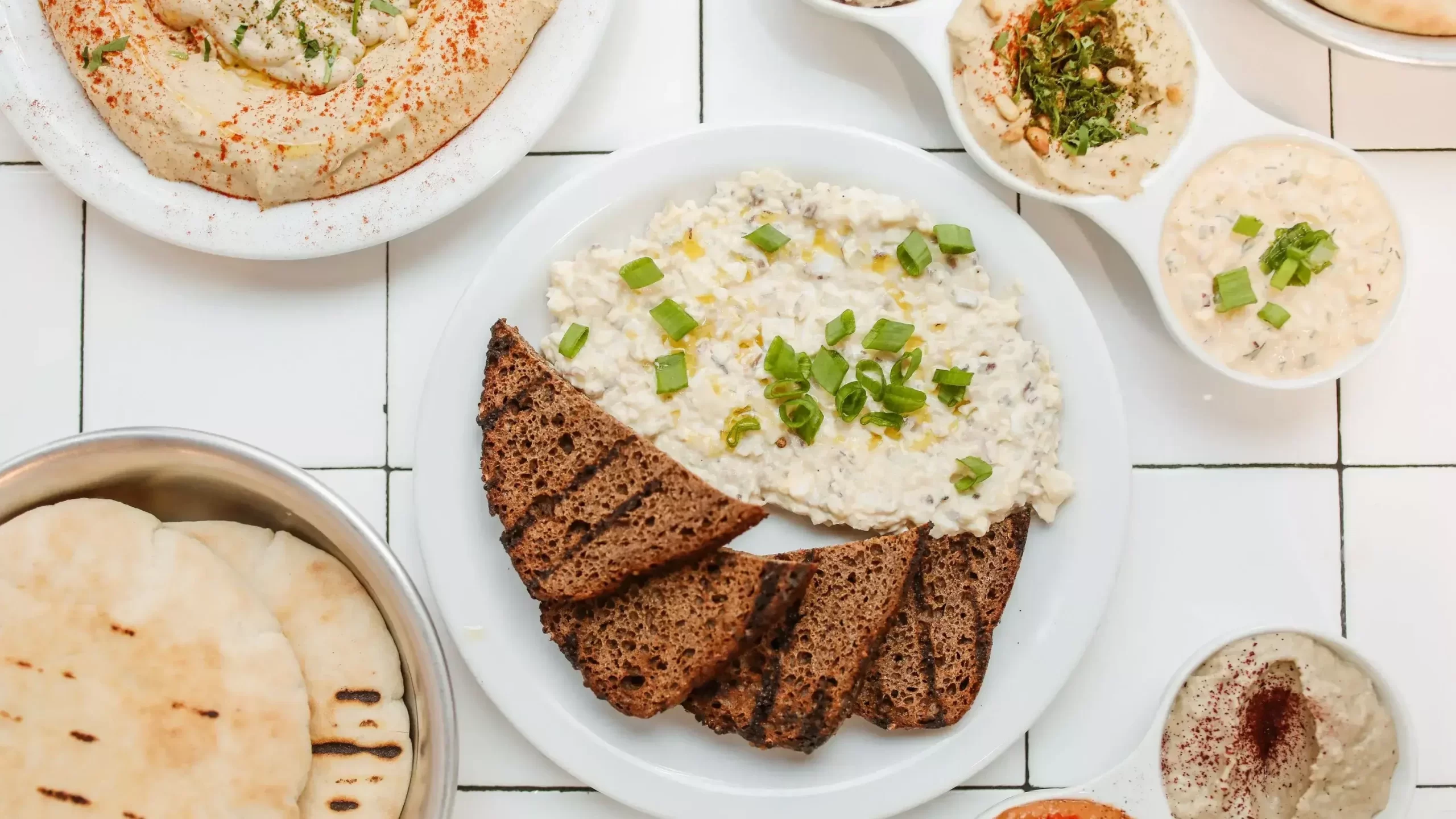
HPP can be considered for a wide range of refrigerated ready-to-eat salad products.
Vegetable and Legume-Based Salads
Products containing beans, chickpeas, lentils, corn, vegetables, or mixed ingredients may benefit from HPP when microbial stability and refrigerated shelf life are important commercial requirements.
Coleslaw and Prepared Vegetable Salads
Fresh vegetable salads require careful control of microbial quality while maintaining desirable appearance and texture. HPP can be evaluated as part of a preservation strategy for selected formulations.
Potato and Pasta Salads
These products often contain multiple ingredients and may include sauces or dressings. HPP process development can help manufacturers evaluate microbial reduction and quality retention for the complete packaged product.
Fresh Fruit and Specialty Salads
For selected fruit-based or specialty refrigerated salads, HPP may provide an opportunity to extend shelf life while maintaining a fresh product positioning.
The suitability of HPP should always be determined through product-specific trials rather than assuming that the same pressure and time conditions will work across different recipes.
Guacamole
Avocado-based products are highly sensitive to quality changes, particularly color and flavor deterioration. HPP can be incorporated into processing strategies designed to improve microbial stability while maintaining fresh characteristics.
Hummus
Hummus is a refrigerated ready-to-eat product with high moisture content and a complex formulation containing ingredients such as chickpeas, tahini, oil, and water. HPP can be evaluated to improve microbial control and refrigerated shelf life.
Salsa and Fresh Dips
Tomato-based salsa and other vegetable dips can also be suitable candidates for HPP. Depending on formulation and acidity, HPP can be investigated as part of a validated microbial control strategy.
Specialty Dips
Dairy-based, plant-based, and other specialty dips may also be considered. However, formulation characteristics can significantly influence HPP performance, so process development and quality testing remain essential.
Why Packaging Matters in HPP
HPP is generally performed after the food has been sealed in its final package. This makes packaging selection an important part of the overall system.
The package must be capable of tolerating the pressure cycle and recovering from the temporary volume changes associated with high-pressure treatment.
Flexible packaging is commonly considered for HPP applications because it can accommodate these changes more readily than rigid containers.
Important packaging considerations include:
- Material flexibility
- Seal integrity
- Package shape
- Headspace
- Barrier properties
- Resistance to pressure cycling
- Compatibility with the intended distribution environment
A well-designed HPP process therefore requires coordination between food formulation, packaging design, equipment capabilities, and processing parameters.
Selecting the Right HPP Equipment
Successful commercial implementation requires more than simply purchasing an HPP machine. Manufacturers should evaluate the entire processing system and how it fits their product portfolio and production requirements.
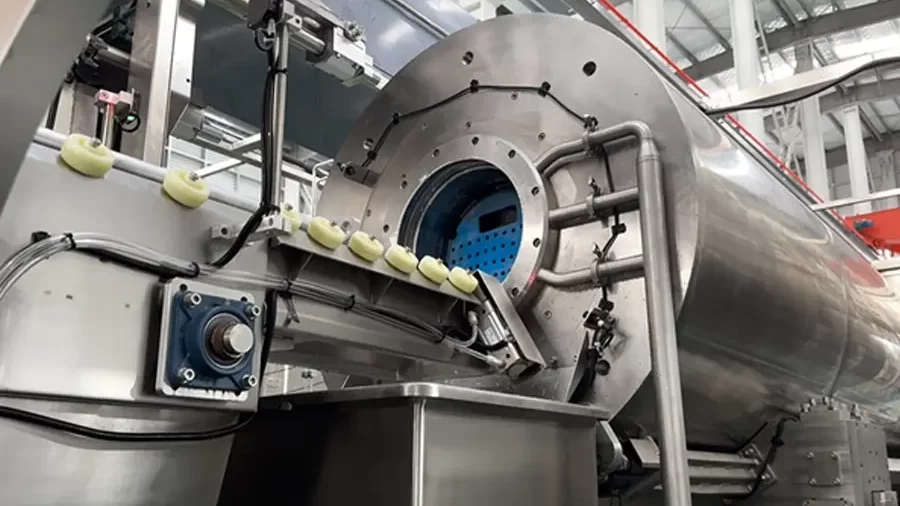
High pressure processing equipment should be selected according to factors such as production capacity, vessel size, pressure capability, cycle time, package configuration, automation level, water management, loading and unloading methods, and facility requirements.
For a food manufacturer, key questions may include:
- What is the required daily or annual production volume?
- What package formats will be processed?
- What is the target pressure and processing cycle?
- How many production cycles are required per day?
- What level of automation is appropriate?
- How will the system integrate with existing filling and packaging operations?
- What process data needs to be monitored and recorded?
- What maintenance and technical support will be required?
A properly engineered HPP system should be considered as part of the complete production process rather than as an isolated piece of equipment.
HiLock HPP: In-House Technology for Reliable Delivery
HiLock brings strong technical expertise and extensive industry experience, providing a stable and reliable foundation for brand growth and product development:
- In-House Technology and Control: Backed by more than 20 years of precision manufacturing experience from its parent company, HiLock holds over 40 core patents and independently designs key components, including high-pressure vessels and sealing systems.
- Extensive Industrial Validation: With more than 100 high-pressure processing systems delivered to date, HiLock’s equipment has demonstrated proven reliability and gained broad recognition across the industry.
- Stringent Quality Standards: With extensive experience serving the life sciences sector, HiLock’s equipment complies with certifications and standards including ISO 9001, ISO 14001, and ASME-U.
- Controlled Lifecycle Costs: High-pressure vessels are manufactured from aerospace-grade 15-5 stainless steel forgings, with a service life of up to 200,000 cycles. Compared with thermal sterilization, HPP can also reduce energy consumption by approximately one-third to one-half, helping lower long-term operating costs.
Conclusion
Fresh deli salads and dips present a unique challenge for food manufacturers: consumers expect fresh taste, appearance, and texture, while manufacturers must maintain rigorous food safety and achieve commercially viable refrigerated shelf life.
High pressure processing offers a powerful non-thermal technology for addressing these challenges. By applying high hydrostatic pressure to packaged products, HPP can provide microbial reduction while helping maintain many of the qualities associated with fresh foods.
However, successful HPP implementation requires product-specific process development, packaging compatibility, microbial validation, shelf-life testing, and properly designed high pressure processing equipment.
HiLock HPP technology is becoming the standard process in the high-end health food sector. For brands of fresh prepared salads and dips, adopting HiLock HPP technology not only significantly enhances product safety and quality but also enables them to command a 20%–30% premium, helping them stand out in a highly competitive market. Choosing HiLock HPP means choosing a future of quality, safety, and brand enhancement.