
In today’s food market, “clean label” has evolved from a product differentiation strategy into an increasingly important industry requirement. Consumers are increasingly seeking foods with simple, natural, and additive-free ingredients while becoming more cautious about artificial additives, preservatives, colorants, and other ingredients listed on food labels. Against this backdrop, HPP (High Pressure Processing) technology is becoming a key processing solution for food manufacturers seeking to produce “clean label” products, while HPP systems within Food Sterilization Equipment are an essential tool for achieving this goal.
What Is “Clean Label”
“Clean label” is not an official certification but a consumer-driven product concept. Its core characteristics include:
- Simple Ingredients: Short ingredient lists featuring familiar, natural ingredients.
- No Artificial Additives: Free from preservatives, artificial colors, artificial flavors, and similar additives.
- No Chemical Additives: Avoiding chemically synthesized stabilizers, emulsifiers, and other processing aids where possible.
- Transparency and Traceability: Using processing methods that are easy for consumers to understand and trust.
HPP technology provides an ideal processing approach for achieving these goals.
How Does HPP Technology Support “Clean Label” Products
Physical Preservation Without Chemical Preservatives
HPP is a non-thermal, physical preservation technology. Using advanced Food Sterilization Equipment, HPP applies hydrostatic pressure of up to 600 MPa (approximately 6,000 bar) to food through water as the pressure-transmitting medium, typically under low-temperature conditions of 5°C–20°C. The pressure disrupts microbial cell membranes and critical enzymes, effectively inactivating pathogens and spoilage microorganisms such as Salmonella, E. coli, and Listeria.
Key Value: Because HPP can provide effective microbial inactivation and significantly extend shelf life, food manufacturers can reduce or eliminate the need for chemical preservatives such as potassium sorbate and sodium benzoate, resulting in a cleaner ingredient list.
Preserving Nutrients and Flavor to Meet Consumer Demand for Natural Foods
Unlike conventional thermal sterilization, high pressure processing does not rely on high temperatures and can better preserve many heat-sensitive nutrients and fresh sensory characteristics. This can help achieve:
- High Vitamin Retention: For example, vitamin C retention in fresh orange juice can remain above 90% under suitable HPP conditions.
- Better Flavor Preservation: Volatile aroma compounds can be better preserved, helping maintain a fresh taste without the cooked flavor associated with excessive heating.
- Natural Color Retention: Natural pigments and antioxidant compounds can be better preserved compared with intensive thermal processing.
This allows manufacturers to emphasize attributes such as “non-thermal processed,” “natural,” and “fresh”, aligning products more closely with consumer demand for minimally processed foods.
Extending Shelf Life and Reducing Food Waste
HPP technology can significantly extend the refrigerated shelf life of many food products. For example:
| Product | Traditional Shelf Life | After HPP Treatment |
|---|---|---|
| Fresh Orange Juice | 2–3 days | Approximately 45 days |
| Ready-to-Eat Salad | 3 days | Approximately 42 days |
| Cream Cheese | 35 days | Approximately 150 days |
| Cooked Ham | 7–14 days | Approximately 120 days |
Value: A longer shelf life can reduce distribution losses and product returns while giving consumers a longer consumption window, ultimately helping reduce household food waste.
Three Major Market Trends Addressed by HPP Technology
Trend 1: Technology Upgrade — The Rise of Non-Thermal Processing
Traditional thermal sterilization can cause nutrient loss, such as significant vitamin C degradation, as well as changes in taste and texture, making it less suitable for premium food products. As a leading non-thermal processing technology, HPP is becoming a key direction for technological advancement in the food processing industry. Advanced Food Sterilization Equipment is accelerating the transition from conventional thermal sterilization systems to high-pressure processing solutions.
Trend 2: Value Upgrade — Consumers Are Willing to Pay for Healthier Products
Consumers’ perception of food is shifting from simply prioritizing convenience toward greater emphasis on premium quality and health. Market research indicates that consumers may be willing to pay a 20%–30% premium for clean-label products processed using high pressure processing technology. Some brands have reported a 30% increase in product prices after adopting HPP, without experiencing a decline in sales.
Trend 3: Regulatory Upgrade — Increasingly Stringent Food Safety Regulations
Food safety regulations are continuously evolving worldwide, while the clean-label trend is driving growing demand for products with no added preservatives. With its effective microbial inactivation capabilities and ability to reduce reliance on chemical preservatives, HPP technology can help food manufacturers meet increasingly stringent food safety and labeling requirements.
Key Advantages of HPP Technology
| Dimension | Traditional Thermal Sterilization | HPP High-Pressure Processing |
|---|---|---|
| Sterilization Method | High-temperature heating | Physical pressure |
| Nutrient Retention | Vitamin losses of 30%–60% | Retention rates can exceed 90% |
| Flavor Impact | May produce a “cooked” flavor | Better preserves original flavor |
| Preservative Requirements | Often requires preservatives | No added preservatives required in many applications |
| Ingredient List | Often longer, with chemical-sounding ingredients | Shorter, with familiar ingredients |
| Shelf Life | Relatively short (3–7 days) | Significantly extended (30–150 days) |
| Consumer Willingness to Pay | More price-sensitive | May support a 20%–30% premium |
Which Products Are Suitable for HPP Technology to Create “Clean Label” Products
High pressure processing technology is particularly suitable for foods with relatively high moisture content. The following categories have become successful application areas:
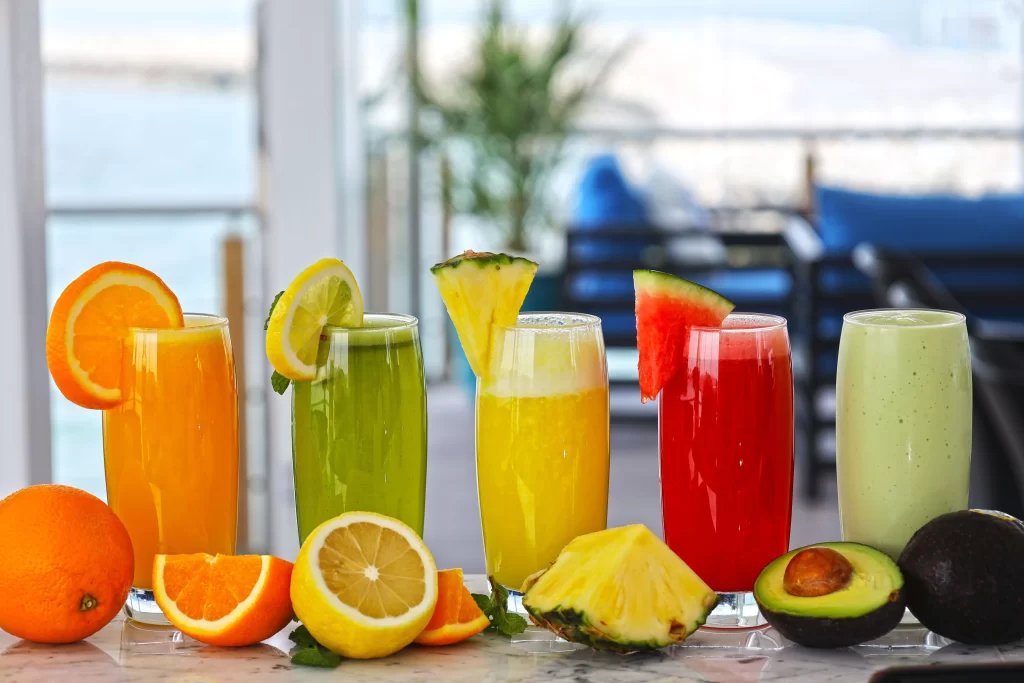
- Juices and Beverages: 100% fresh-squeezed juice, NFC juice, and smoothies — preserve fresh flavor while extending refrigerated shelf life to approximately 45–90 days.
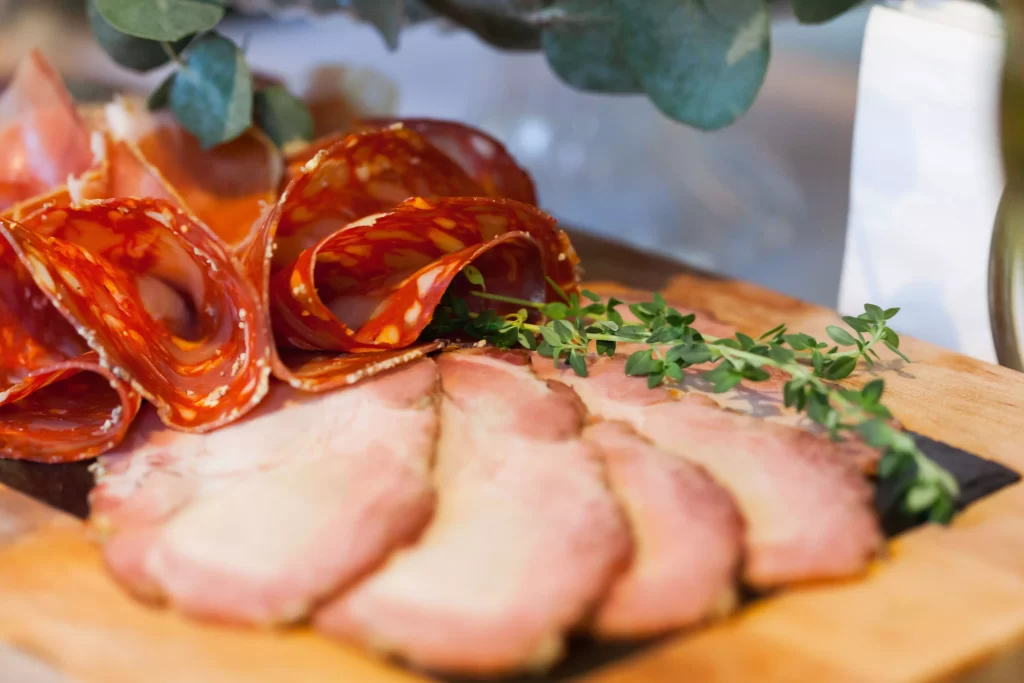
- Ready-to-Eat Meat: Ham, chicken breast, and cured sausages — reduce reliance on preservatives and help minimize cross-contamination during slicing.
- Ready-to-Eat Foods: Salads, prepared meals, and vegetable dips — potentially extend refrigerated shelf life by up to three times.
- Seafood: Lobster, oysters, and crab — help control Vibrio and other microorganisms while extending freshness.
- Baby Food: Fruit and vegetable purées — enable additive-free processing while preserving natural nutrients.
- Dairy Products: Cream cheese and yogurt — potentially extend shelf life to around 150 days while maintaining taste and texture.
- Pet Food: Raw meat-based pet food — help inactivate Salmonella while preserving nutritional value.
Industry Case: How HPP Enables Brand Upgrading
A premium ready-to-eat meal brand introduced HPP Food Sterilization Equipment and achieved the following transformation results:
| Metric | Before Adoption | After Adoption |
|---|---|---|
| Product Positioning | Mass market, price competition | Premium health-focused, differentiated |
| Ingredient List | Contained preservatives and stabilizers | Clean label, no added preservatives |
| Shelf Life | 7 days (refrigerated) | 45 days (refrigerated) |
| Return Rate | 5% | 1% |
| Brand Premium | Difficult to achieve | 20%–30% premium |
| Repeat Purchase Rate | 30% | 60% |
Conclusion
As “clean label” becomes an irreversible trend in the food industry, HPP (High Pressure Processing) technology, combined with advanced Food Sterilization Equipment, provides food manufacturers with an effective approach that balances food safety, nutrient retention, flavor preservation, and natural, additive-free processing.
Choosing HPP technology means:
- At the Product Level: Achieve a genuine “clean label” with a simple and transparent ingredient list.
- At the Quality Level: Preserve the natural nutrients and fresh taste of ingredients.
- At the Business Level: Capture brand premiums, enter premium market channels, and strengthen market competitiveness.
- At the Compliance Level: Meet increasingly stringent food safety and regulatory requirements.
For food manufacturers seeking to gain a competitive edge in the growing “clean label” market, high pressure processing is more than a preservation technology. It is a systematic tool for building competitive advantages, from product development to brand positioning and market growth.