
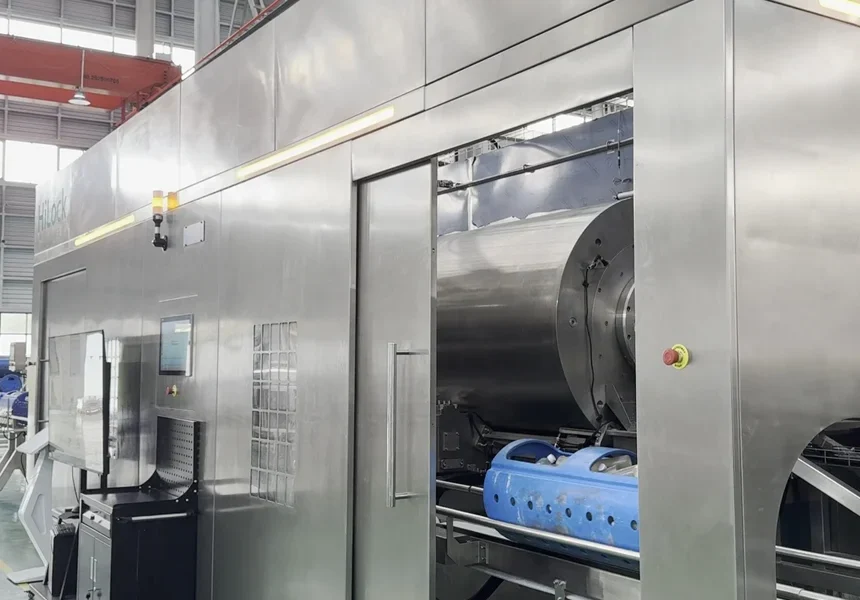
As demand grows for safer, cleaner-label, and minimally processed products, High Pressure Processing (HPP) has become one of the most advanced non-thermal processing technologies in the food, beverage, cosmetic, and biotechnology industries.
Unlike traditional thermal sterilization methods, HPP technology uses extremely high hydrostatic pressure transmitted through water to effectively inactivate microorganisms while preserving product quality, nutrients, flavor, and freshness.
However, selecting the right HPP machine is not simply about choosing the highest pressure or largest capacity model. A successful investment requires careful evaluation of multiple factors, including:
- Production capacity requirements
- Operating pressure range
- Product characteristics
- Automation level
- Equipment reliability
- Total ownership cost
- Supplier technical capabilities
For companies investing in industrial-scale production, choosing an experienced high pressure equipment company is equally important as selecting the machine itself.
This guide explains the key considerations when purchasing a high pressure processing machine and how to make the right decision for your application.
Appropriate Pressure
The core of High Pressure Processing (HPP) technology lies in achieving cold pasteurization through ultra-high pressure, making pressure capability a key factor in HPP equipment performance. Commercial high pressure processing machines typically operate within a pressure range of 300–600 MPa. HiLock’s full range of HPP machines offers an adjustable working pressure from 0 to 600 MPa, meeting the industry’s mainstream standard. This pressure range is sufficient to inactivate common foodborne pathogens such as Escherichia coli and Salmonella (with an inactivation rate of ≥99%), while effectively preserving the food’s nutritional value, natural flavor, and texture.
Production Capacity & Equipment Selection
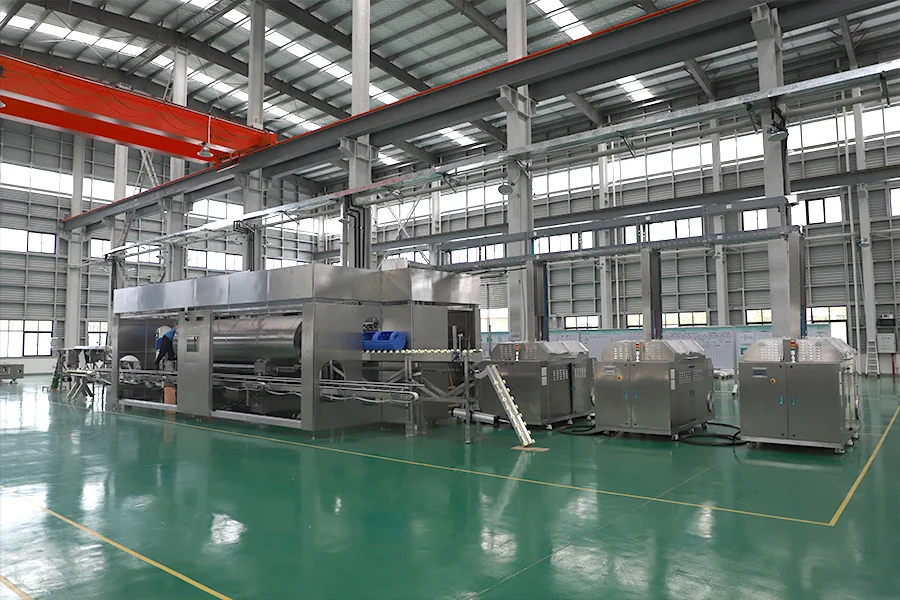
HiLock offers a complete portfolio of High Pressure Processing (HPP) machines, ranging from 2L laboratory systems and 55L pilot-scale units to 100L–525L industrial HPP machines, with an adjustable pressure range of 300–600 MPa. To meet different production requirements, HiLock provides customized horizontal or vertical machine configurations based on facility layout, ceiling height, and production line design. Optional features include automated loading and unloading systems, as well as multi-vessel parallel processing for higher throughput.
For specialized applications such as pharmaceuticals and solid-state battery materials, HiLock can customize sealing materials and cleanroom specifications to comply with food GMP and biopharmaceutical cleanroom standards, enabling seamless integration into existing production facilities with minimal infrastructure modifications.
| Model | Positioning | Daily Processing Capacity | Key Features | Typical Applications |
|---|---|---|---|---|
| HiLock-2L | Custom Laboratory System | 10 L | Adjustable pressure from 0–600 MPa, 220V power supply | Food R&D, process validation, laboratory testing |
| HiLock-55L | Small-Scale Production | 2,500 L | Single intensifier, 56 kW power | Small-scale commercial food production |
| HiLock-135L | Medium-Scale Production | 5,900 L | Dual intensifiers, 107 kW power, manual/automatic operation | Medium-sized manufacturing facilities |
| HiLock-300L | Enterprise-Grade System | 13,000 L | Six synchronized intensifiers | Large-scale industrial food processing |
| HiLock-525L | Flagship Industrial System | 25,000 L | Twelve intensifiers, 550 kW power | High-volume manufacturers and large-scale production plants |
Brand Premium Potential
By adopting High Pressure Processing (HPP) technology, manufacturers can position their products around “cold pasteurization” and “clean label” claims, creating a clear competitive advantage in the marketplace. Consumers are generally willing to pay more for HPP-treated products because they offer enhanced food safety, fresher taste, and minimal processing. As a result, companies can typically achieve a 20%–30% price premium, improving both product value and overall profit margins.
Operating Costs & Production Efficiency
Lower Energy Consumption
HiLock high pressure processing machines feature a high-efficiency hydraulic system and intelligent pressure control technology, reducing energy consumption by approximately one-third to one-half compared with conventional thermal pasteurization systems.
Reduced Maintenance Costs
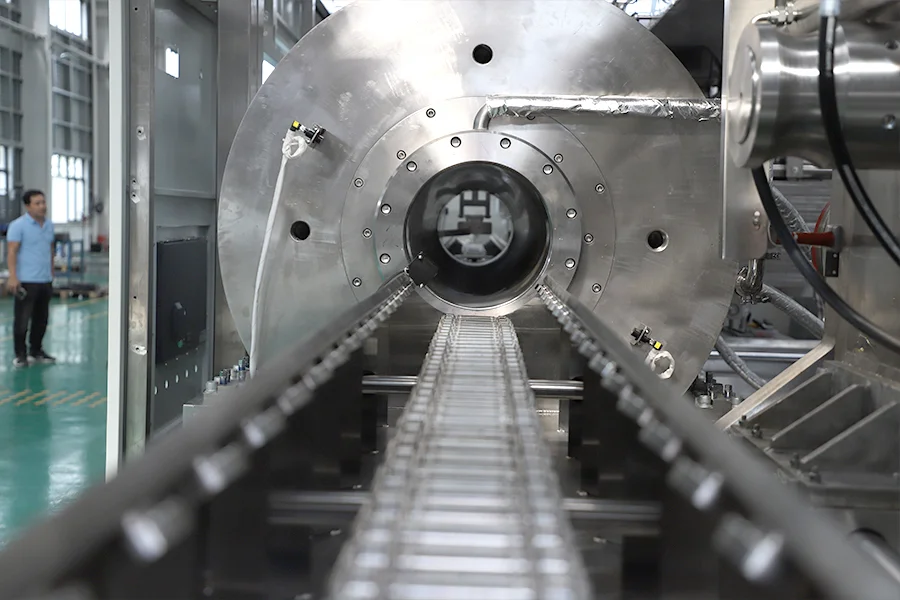
HiLock HPP machines are engineered for long-term reliability. The high-pressure vessel is manufactured from aerospace-grade 15-5 stainless steel forgings with a wire-wound reinforcement structure, providing a design service life of over 200,000 pressure cycles while maintaining pressure fluctuations within ±5 MPa.
Key components—including the intensifier, high-pressure valves, and sealing assemblies—are all designed and manufactured in-house. This vertical integration reduces initial equipment costs by up to 35% compared with imported systems and eliminates distributor markups on replacement parts, lowering annual maintenance costs by approximately 40% compared with the industry average.
Higher Productivity
Built with internationally recognized linear guide systems and a high-strength steel frame, HiLock equipment is designed for continuous industrial operation and can run for more than 300 hours without scheduled maintenance, maximizing production uptime.
Free Product Testing & Process Validation
Developing new HPP products often requires outsourcing trial processing, which can be expensive, expose proprietary formulations, and delay product launches. To eliminate these challenges, HiLock provides free HPP product testing through its dedicated ultra-high-pressure application laboratory.
Customers from industries including juice, ready-to-eat meals, pet food, herbal extracts, sauces, and beverages receive one-on-one technical support from experienced process engineers throughout the testing process.
Backed by a database of over 1,000 validated HPP processing parameters, the laboratory has successfully supported hundreds of commercial products, including sea buckthorn juice, NFC pomegranate juice, cold brew tea, ready-to-eat braised foods, raw pet food, and herbal extracts. Free product testing allows manufacturers to evaluate freshness retention, shelf-life extension, and potential market premium before investing in production-scale HPP equipment, significantly reducing R&D costs and investment risk.
Overall Cost Reduction
Extended Shelf Life
Under refrigerated storage conditions, High Pressure Processing (HPP) can extend product shelf life from 3–7 days to 30–60 days, significantly reducing spoilage during transportation and distribution. In many applications, this can lower product losses by approximately 28%.
Lower Product Return Rates
By improving microbiological safety and maintaining consistent product quality, HPP technology helps reduce customer complaints and returns. Many manufacturers have successfully lowered product return rates from around 5% to 1%, improving customer satisfaction and profitability.
Customizable Smart Control System
Every HiLock high pressure processing machine is equipped with a customizable PLC-based intelligent control system. Optional features include recipe and process parameter management, production data export, remote monitoring, automatic production reports, and multi-batch parameter storage. These functions support HACCP compliance, food traceability, and consistent production quality, while allowing operators to recall validated processing parameters with a single click to ensure repeatable food safety and product consistency.
Key Factors to Consider When Choosing an HPP Machine
When investing in a High Pressure Processing machine, consider the following factors:
1. Determine Your Production Capacity Requirements
Choose a system based on your daily production target. HiLock offers a complete range of HPP machines, from 2L laboratory systems for product development to 525L industrial models for high-volume commercial production.
2. Evaluate Your Product Positioning
HPP technology is particularly suitable for premium products that emphasize clean-label processing, superior freshness, and natural quality. Consider whether your products can benefit from enhanced brand positioning and command a higher market price through HPP processing.
3. Calculate the Total Cost of Ownership
Although HPP equipment requires a higher initial investment than conventional processing systems, lower energy consumption, extended equipment lifespan, reduced maintenance costs, minimized product waste, and increased product value contribute to a stronger long-term return on investment (ROI).
4. Assess Technical Support and After-Sales Service
Selecting the right equipment supplier involves more than purchasing the machine itself. HiLock provides comprehensive turnkey support, including:
- Free product testing and process validation
- A database containing 1,000+ validated HPP processing parameters
- Customized production line design
- Equipment installation and commissioning
- Operator training and ongoing technical support
This end-to-end service model is especially valuable for companies adopting High Pressure Processing technology for the first time, helping accelerate commercialization while minimizing technical and operational risks.
Conclusion
The right HPP machine should not only meet today’s production requirements but also support future growth.
By evaluating capacity, pressure capability, technology reliability, cost structure, and supplier expertise, companies can select the ideal high pressure processing machine for their applications.
Partnering with an experienced high pressure equipment company ensures not only advanced equipment but also complete technical support throughout the entire product lifecycle.