
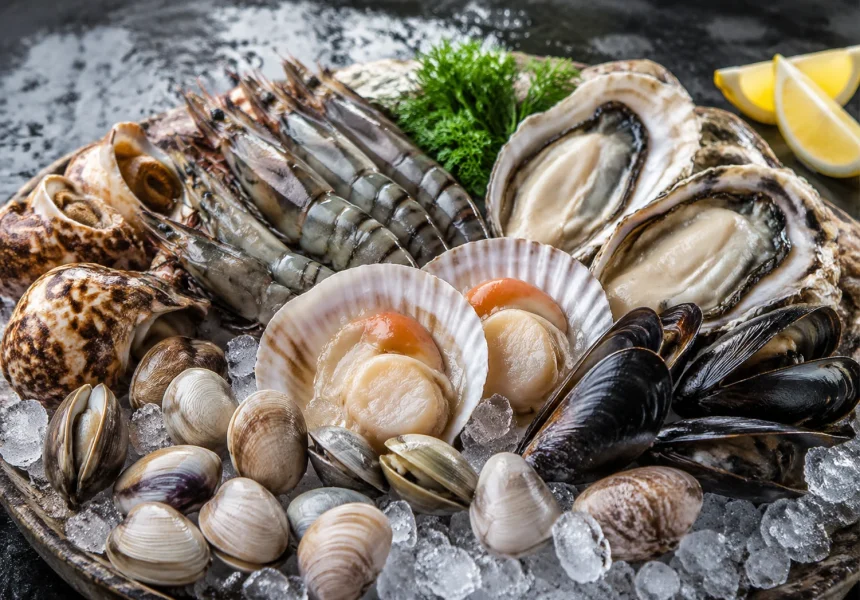
Seafood is one of the world’s most important sources of high-quality protein. As consumer demand continues to shift toward fresh, nutritious, and premium foods, the seafood industry faces a growing challenge: how to ensure food safety while preserving the product’s natural flavor, nutritional value, and fresh texture.
Due to its high moisture content, delicate tissue structure, and susceptibility to microbial contamination, seafood is highly vulnerable to quality deterioration throughout harvesting, transportation, processing, and storage.
Although conventional thermal processing effectively reduces microbial populations, it often causes protein denaturation, texture deterioration, color changes, and nutrient loss. As global demand for clean-label and minimally processed foods continues to rise, seafood manufacturers are seeking gentler and more efficient food safety solutions.
What Is High Pressure Processing (HPP)?
High Pressure Processing (HPP) is an advanced non-thermal food preservation technology that provides an effective solution for the seafood industry. By applying 300–600 MPa of uniform hydrostatic pressure, HPP inactivates harmful microorganisms and significantly extends product shelf life while preserving the quality of the food.
During HPP processing, sealed seafood products are placed inside a pressure vessel filled with water, which serves as the pressure-transmitting medium. Pressure is applied uniformly throughout the entire product, regardless of its shape or size.
Unlike conventional thermal pasteurization, HPP technology does not rely on high temperatures to destroy microorganisms. Instead, it uses extremely high pressure to disrupt microbial cell structures, impair cellular functions, and reduce enzyme activity, thereby improving food safety while maintaining the product’s natural characteristics.
Why Does the Seafood Industry Need Advanced HPP Technology?
Seafood products are naturally rich in moisture and protein, while their delicate tissue structure makes them highly susceptible to microbial contamination and quality degradation during harvesting, transportation, processing, and storage.
Traditional preservation methods—including heat treatment, chemical preservatives, and freezing—can extend shelf life but often compromise the seafood’s natural flavor, appearance, texture, and nutritional value.
As consumers increasingly demand foods that are fresh, safe, healthy, and minimally processed, seafood processors require technologies that provide effective microbial control without sacrificing product quality.
High Pressure Processing (HPP) offers an ideal solution by effectively inactivating harmful microorganisms under low-temperature conditions while preserving the seafood’s original taste, texture, appearance, and nutritional profile. By balancing food safety, nutrient retention, and shelf-life extension, HPP has become one of the most promising processing technologies for the modern seafood industry. Food sterilization equipment based on advanced high-pressure technology provides a reliable approach to microbial control while maintaining seafood characteristics.
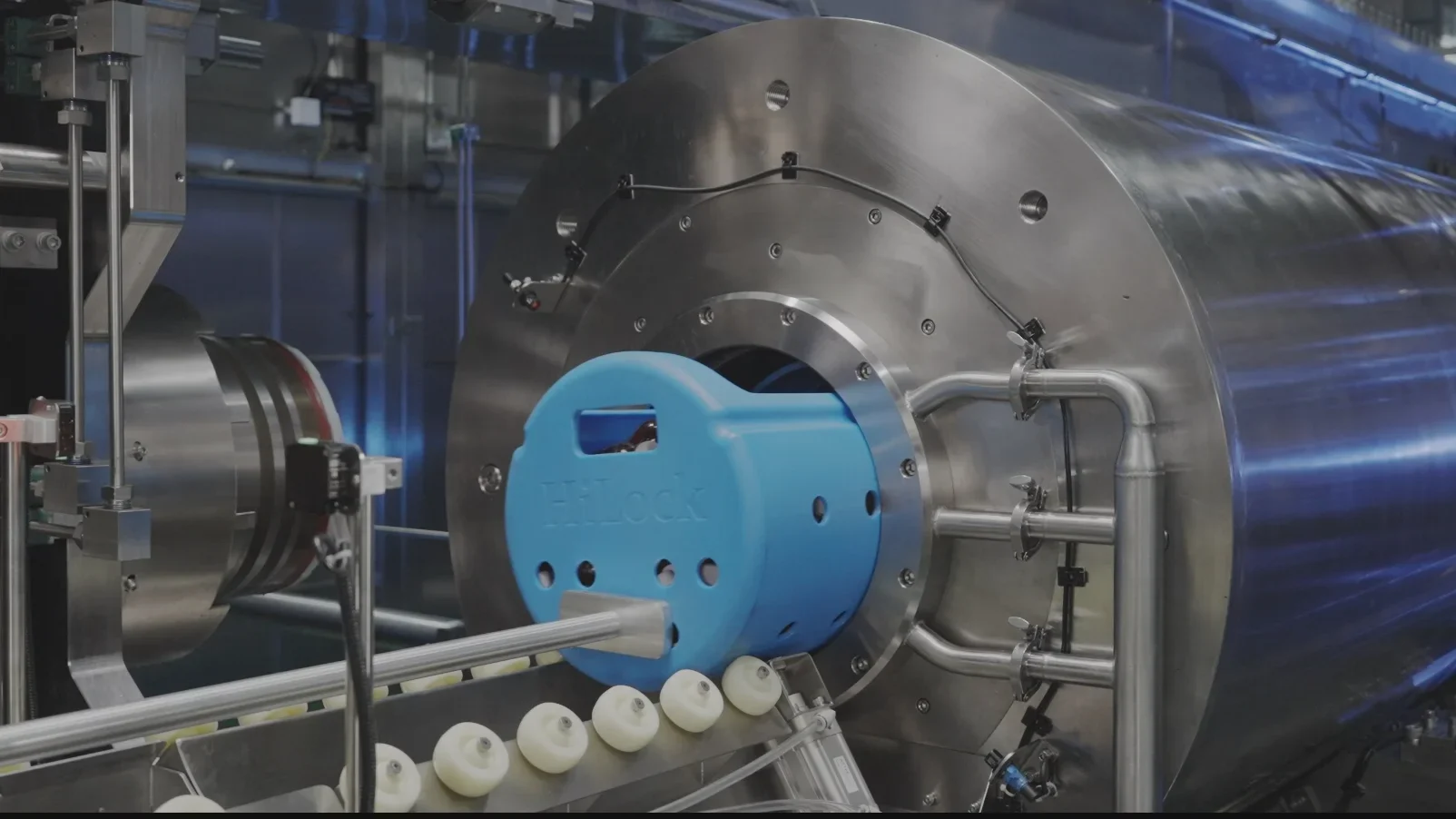
High Pressure Processing: Enhancing Seafood Quality and Safety
High Pressure Processing (HPP) enhances seafood safety by inactivating pathogens, extending shelf life, and reducing or eliminating the need for preservatives and additives—all while minimizing the impact on the product’s nutritional value and sensory quality.
In addition, HPP enables the automatic shucking of shellfish and improves meat recovery from crustaceans without pre-cooking, creating new opportunities for convenient, premium-quality seafood products.
Compared with conventional thermal processing, HPP offers several significant advantages:
- Enhanced Food Safety – Reduces pathogenic microorganisms by up to 99.999%.
- Superior Freshness – Preserves natural nutrients, flavor, and texture.
- Extended Shelf Life – Increases shelf life by 4–30 times, depending on the product.
- Clean Label Processing – Minimizes or eliminates the need for chemical preservatives.
- Sustainable Operation – Uses recyclable water as the pressure medium with no pollutant emissions.
Traditional Seafood Processing vs. High Pressure Processing
| Seafood Product | Challenges with Traditional Processing | Advantages of HPP Processing |
|---|---|---|
| Sea Cucumber | Significant nutrient loss and reduced amino acid content | Doubles amino acid content while preserving bioactive compounds |
| Shellfish | Manual shucking with high risk of bacterial and viral contamination | Automatic shucking with effective inactivation of bacteria and viruses |
| Snails | Parasite eggs are difficult to eliminate | Effectively inactivates parasite eggs, improving the safety of raw consumption |
| Fish Fillets | Risk of parasite contamination and flavor deterioration | Inactivates parasite eggs while maintaining the fresh taste and texture |
| Shrimp & Crab | Heat processing toughens the meat and reduces flavor | Produces tender meat, easier shell removal, and faster flavor infusion |
Major Applications of HPP in Seafood Processing
Today, High Pressure Processing (HPP) is widely used across a variety of seafood processing applications, helping manufacturers improve food safety, preserve product quality, and create value-added seafood products.
Sea Cucumber Processing
Recommended Processing Parameters: 400 MPa, 5 minutes
Fresh sea cucumbers are highly perishable due to their natural tendency toward autolysis (self-digestion), making long-term storage extremely difficult. Traditional dried sea cucumbers require prolonged heat treatment during rehydration, resulting in significant losses of water-soluble and heat-sensitive nutrients.
Compared with conventional thermal processing, HPP-treated sea cucumbers retain substantially higher nutritional value. Studies have shown that the contents of 17 amino acids and other bioactive compounds can be up to twice as high as those in heat-processed products. At the same time, HPP preserves the fresh texture and taste of live sea cucumber while allowing refrigerated storage for up to one month.
Abalone Processing
Recommended Processing Parameters: 400 MPa, 5 minutes
HPP-treated abalone can be consumed directly without conventional cooking. The process preserves its naturally tender and smooth texture, distinctive flavor, and valuable nutrients, making it an excellent choice for premium ready-to-eat seafood products.
Oyster and Scallop Processing
Recommended Processing Parameters:
- 150 MPa for 2 minutes (Low-pressure automatic shucking)
- 400 MPa for 5 minutes (Microbial inactivation)
HPP enables oysters, scallops, ark clams, and other shellfish to open automatically without damaging the meat. The resulting seafood maintains a plump appearance and tender texture while significantly reducing bacterial and viral contamination.
This dual-stage process improves production efficiency, enhances food safety, and preserves the fresh flavor consumers expect from high-quality shellfish.
Snail Processing
Recommended Processing Parameters: 200–300 MPa, 5 minutes
HPP-treated snails retain a plump texture and can be removed from their shells more easily, improving processing efficiency. More importantly, High Pressure Processing effectively inactivates parasite eggs (such as those found in apple snails), significantly enhancing the safety of raw or minimally processed snail products.
Fish Fillet Processing
Recommended Processing Parameters: 250–350 MPa, 3–5 minutes
HPP-treated raw fish fillets, such as salmon, may undergo slight protein denaturation, resulting in a mildly opaque appearance. However, they retain much of their fresh flavor and desirable texture.
One of the greatest advantages of HPP is its ability to inactivate parasite eggs commonly found in fish, helping reduce the risk of foodborne parasitic diseases while improving the safety of raw seafood products.
Shrimp and Crab Processing
Recommended Processing Parameters
- Shrimp: 250–350 MPa, 3–5 minutes
- Crab: 200–300 MPa, 2–4 minutes
Compared with conventionally cooked shrimp, HPP-treated shrimp offer a fresher taste, a more tender texture, and easier shell removal. For marinated crab products, HPP significantly shortens the marinating process while enhancing flavor penetration and maintaining a succulent texture, resulting in premium-quality ready-to-eat seafood.
Industry Outlook and Future Trends
As a minimal processing technology, High Pressure Processing effectively addresses many of the challenges associated with conventional thermal processing, including nutrient loss, flavor deterioration, and food safety concerns. It is particularly well suited for heat-sensitive seafood products.
With global consumer demand continuing to grow for natural, safe, high-quality, and sustainably produced seafood, HPP is expected to play an increasingly important role across the seafood industry. Key application trends include:
- Ready-to-Eat Seafood – Supporting the development of convenient, ready-to-cook and ready-to-eat seafood products for modern lifestyles.
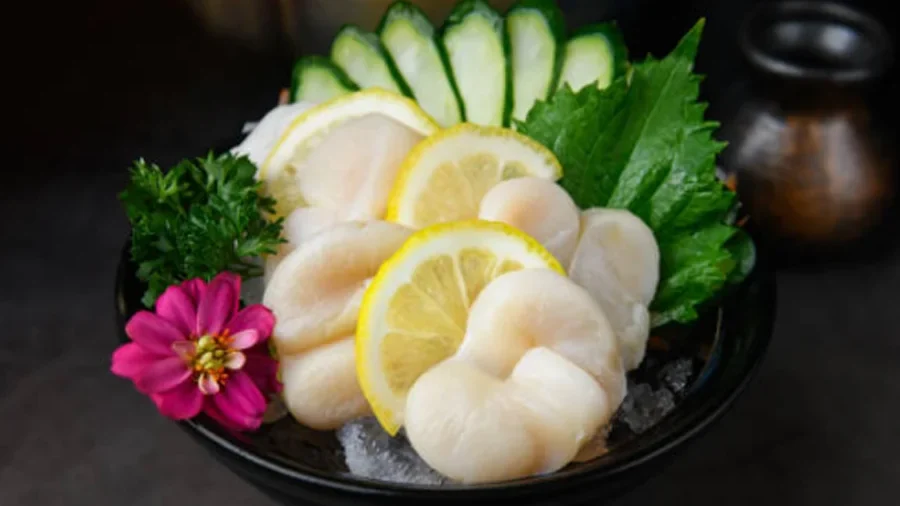
- Premium Raw Seafood – Providing enhanced safety for sashimi and other raw seafood products while preserving their fresh characteristics.
- Export Markets – Extending shelf life, improving supply chain efficiency, and reducing food waste during international distribution.
- Pet Food – Improving the safety of raw pet food (BARF diets) by inactivating pathogens such as Salmonella while preserving nutritional value.
Conclusion
High pressure processing is transforming the seafood industry by providing a powerful alternative to traditional preservation methods. Through effective microbial control, extended shelf life, and superior quality preservation, HPP seafood technology enables producers to deliver safer and fresher seafood products.
With advanced food sterilization equipment, customized processing solutions, and comprehensive technical support, modern HPP systems provide seafood manufacturers with the tools needed to meet global food safety standards while maintaining premium product quality.
As demand for high-quality seafood continues to grow, high pressure processing will remain a key technology driving the future of safe, sustainable, and innovative seafood production.