
Table of Contents
The global food industry is shifting toward clean label food processing, as consumers increasingly seek simpler ingredients, fewer additives, and fresher products.
HPP technology (High Pressure Processing) is gaining attention as a non-thermal solution that supports microbial control, shelf-life extension, and product quality while meeting clean-label demands.
According to Innova Market Insights, nearly 1 in 3 global food and beverage launches featured a clean label claim in the past year, while nearly 1 in 2 consumers reported buying more fresh and unprocessed foods. EFSA estimates that approximately 500,000 tons of HPP products are produced globally each year, highlighting HPP’s growing role in commercial food processing.
The Global Rise of Clean Label Food Processing
Clean label is no longer a niche concept limited to premium or natural food brands.
Consumers increasingly want to understand what they are buying and what is contained in the products they consume.
Innova Market Insights reported in 2025 that 30% of global food and beverage launches carried a clean label claim in the previous year. Among the leading claims, “no additives or preservatives” accounted for approximately 14% penetration.
Consumer behavior is moving in the same direction.
According to Innova’s global clean label research:
- Nearly 1 in 2 consumers globally purchased more fresh and unprocessed foods over the previous year.
- Around 30% reported reducing processed foods.
- Nearly 3 in 4 consumers reconsider purchases based on ingredient lists.
- 58% emphasized the importance of clear information about ingredients and sourcing.
More recent Innova research published in November 2025 found that 1 in 4 consumers worldwide say they are eliminating processed foods from their diets, while 58% want clear information about ingredient origins.
These figures show why clean label is becoming more than a marketing message.
For food manufacturers, it increasingly influences:
- Product formulation
- Ingredient selection
- Preservation strategies
- Processing technologies
- Packaging
- Shelf-life development
- Consumer communication
The challenge is that removing or reducing certain additives does not eliminate the need for microbial control and shelf-life management.
This is where advanced processing technologies become important.
Clean Label Is Also Becoming a Commercial Opportunity
The clean label movement is already translating into measurable commercial activity.
According to NielsenIQ’s 2026 Consumer Outlook, clean label products currently represent approximately 10% of U.S. FMCG sales.
More importantly, clean label products in the U.S. grew by approximately 7.5% year over year, compared with 5.9% growth for FMCG products overall. The data is based on the NIQ U.S. Omnishopper Panel for the year ending June 14, 2025.
This difference is significant for food manufacturers.
It suggests that clean label is not simply a consumer preference—it is becoming a commercially relevant product-positioning strategy.
For manufacturers, the challenge is therefore becoming more complex:
How can a product have a simpler formulation while still achieving the required safety, quality, and shelf-life performance?
HPP technology provides one potential answer.
What Is HPP Technology?
HPP (High Pressure Processing) is a purely physical microbial inactivation method that requires no chemical preservatives. The process places packaged food in a high-pressure vessel and applies 400–600 MPa of ultra-high pressure using water as the pressure-transmitting medium—equivalent to the pressure found at approximately 6,000 meters below sea level. Under moderate-temperature conditions of 5–25°C, the high pressure can effectively disrupt microbial cell membranes and inactivate pathogens such as Salmonella and Listeria, as well as spoilage microorganisms.
Why HPP Technology Fits the Clean Label Movement
The connection between HPP and clean label food processing is based on a relatively simple principle:
Use processing technology to achieve preservation objectives rather than relying solely on additional ingredients.
This does not mean that HPP automatically eliminates preservatives.
Instead, HPP can become one component of a multi-hurdle preservation strategy that combines:
Formulation + HPP + Packaging + Refrigeration + Controlled Distribution
For suitable products, this approach may allow manufacturers to reduce reliance on certain additives while still managing microbial risks and shelf-life requirements.
Scientific literature has reported that HPP can assist in reducing the number of ingredients required for certain products by reducing the need for some additives associated with product stability and food safety.
However, actual results depend heavily on the product matrix, target microorganisms, formulation, packaging, pressure, holding time, temperature, and storage conditions.
Therefore, HPP should be viewed as a process-development tool, rather than a universal substitute for preservatives.
1. HPP Supports Microbial Control
Food safety remains the first requirement of any commercial food processing system.
HPP can inactivate many vegetative microorganisms through high-pressure treatment, with effectiveness depending on factors such as:
- Pressure
- Holding time
- Temperature
- pH
- Water activity
- Food composition
- Microorganism type
EFSA’s scientific assessment found that HPP can provide significant microbial reductions under appropriate pressure-time combinations and identified relevant processing conditions for certain food categories.
For example, HPP is commercially used for products including:
- Fruit and vegetable juices
- Meat products
- Ready-to-eat meals
- Dips
- Guacamole
- Baby food
- Seafood
EFSA reports that acidic fruit and vegetable juices, guacamole, and ready-to-eat meat products are among the food categories where HPP has significant commercial relevance.
This makes HPP particularly relevant for manufacturers developing refrigerated and fresh-positioned foods.
2. HPP Can Support Reduced Reliance on Certain Additives
One of the strongest connections between HPP technology and clean label food processing is the potential to reduce reliance on certain additives.
A review of HPP applications in fruit products notes that HPP can assist in reducing the number of ingredients by eliminating the need for certain additives used for product stability and preservatives used for food safety and shelf-life extension.
This does not mean that every HPP product can be formulated without preservatives.
Instead, HPP gives manufacturers an additional preservation hurdle.
For example:
Traditional Approach
Formulation → Preservatives → Packaging → Refrigeration
HPP-Based Approach
Optimized Formulation → Packaging → HPP → Refrigeration
The actual processing strategy depends on the product.
For some foods, HPP may enable formulation simplification. For others, preservatives or additional hurdles may still be required.
The important point is that HPP expands the technical options available to food manufacturers.
3. HPP Can Help Preserve Fresh-Like Product Characteristics
Consumers who purchase clean-label products often associate them with freshness and minimal processing.
This makes product quality just as important as microbial safety.
HPP is attractive because it is a non-thermal or relatively low-thermal-load technology compared with conventional high-temperature processing.
Scientific reviews report that HPP can have relatively limited effects on certain low-molecular-weight compounds, including vitamins, pigments, and flavor compounds, which may help retain nutritional and sensory properties in suitable fruit and vegetable products.
However, HPP is not automatically better for every product.
Some food components can be pressure-sensitive, and pressure can also cause desirable or undesirable changes in proteins, enzymes, textures, and other structural components.
Therefore, product-specific testing remains essential.
4. HPP Can Support Shelf-Life Extension
Shelf life is one of the most important commercial challenges for fresh and minimally processed foods.
A longer validated shelf life can potentially help manufacturers improve:
- Distribution
- Inventory management
- Retail availability
- Production planning
- Market reach
- Food waste management
HPP can contribute to shelf-life extension by reducing relevant spoilage microorganisms and, depending on the product and process conditions, influencing enzymatic activity.
EFSA notes that HPP has been commercially applied to a wide variety of products, including juices, meat products, ready-to-eat meals, vegetable dips, and baby food, with refrigerated storage commonly used after treatment for perishable products.
However, shelf-life extension cannot be guaranteed simply by selecting a particular pressure.
It must be established through:
Microbiological Testing + Sensory Testing + Storage Studies + Process Validation
5. HPP Is Already a Global Commercial Technology
HPP is no longer an experimental technology used only in laboratories.
EFSA’s scientific assessment reported that approximately 500,000 tons of HPP products are produced globally each year, based on information available during its assessment.
The same assessment identified ready-to-eat meat products as the largest HPP application category and noted significant commercial activity in Europe, North America, and Japan.
This is an important milestone.
It means food manufacturers evaluating HPP are not adopting an unproven laboratory concept. They are evaluating an established industrial processing technology with commercial applications across multiple food categories.
The HPP Technology Market Is Also Expanding
Commercial interest in HPP is reflected in market research.
A January 2026 360iResearch market assessment published through Research and Markets estimated that the global HPP Technology Market grew from approximately US$584.32 million in 2025 to US$633.63 million in 2026.
The report projects the market to reach approximately US$1.01 billion by 2032, representing an estimated 8.17% CAGR from 2026 to 2032. The report identifies demand for non-thermal preservation and increasing interest in clean-label and minimally processed foods among the factors supporting market growth.
These figures refer specifically to the HPP Technology Market, not the value of all food products processed using HPP.
That distinction is important because different market reports may define the HPP market differently.
Nevertheless, the direction is clear: HPP equipment and technology are becoming increasingly relevant to modern food processing.
HPP Applications Across the Food Industry
The commercial application of HPP is already broad.
Beverages and Juices
HPP is widely used for products such as:
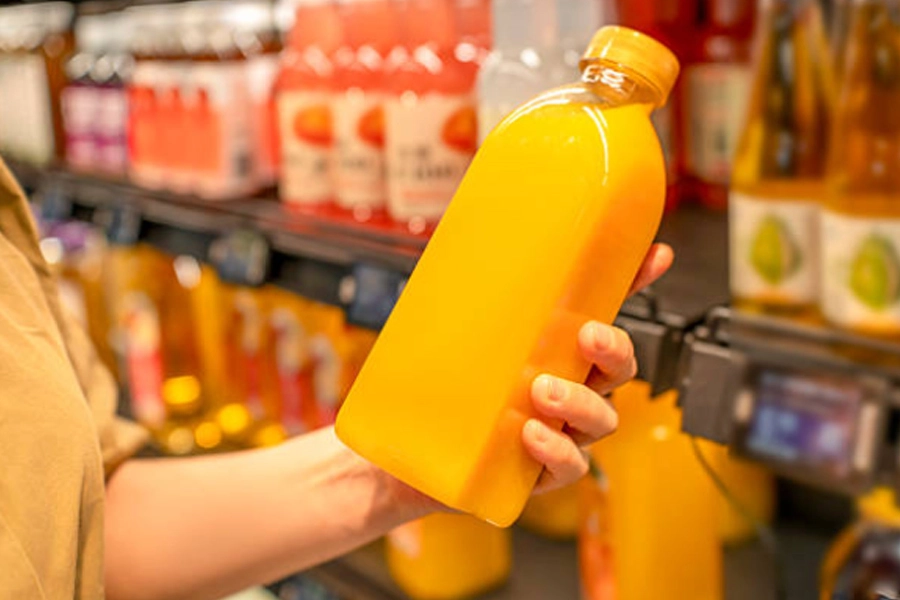
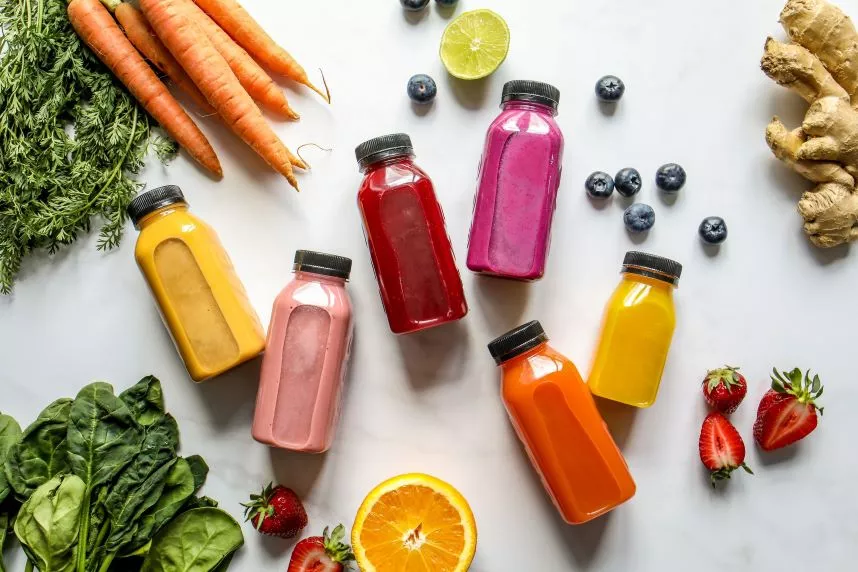
- Cold-pressed juices
- Smoothies
- Functional beverages
- Coconut water
- Plant-based beverages
- Fruit-based drinks
EFSA identifies fruit and vegetable juices among the important commercial HPP applications, with typical industrial pressures commonly ranging from 400 to 600 MPa.
For beverage manufacturers, HPP can support the development of products positioned around freshness and clean-label formulations.
Meat and Ready-to-Eat Foods
Ready-to-eat meat products represent one of the largest commercial HPP application categories globally.
EFSA reports that HPP is widely applied to cooked meat products, sliced ready-to-eat meats, deli meats, hot dogs, and other processed meat products.
HPP can also be incorporated into strategies aimed at reducing certain formulation components.
For example, a review of salt-reduction strategies reported research in which HPP treatments at 300 and 600 MPa reduced salt content in ready-to-eat chicken breasts by up to 50%, while maintaining or improving certain product quality and microbiological characteristics under the tested conditions.
This is an example of how HPP can be integrated into broader clean-label formulation strategies.
Guacamole, Dips and Sauces
Guacamole is one of the well-established commercial applications for HPP.
HPP can help control microorganisms while supporting refrigerated shelf-life objectives.
EFSA identifies guacamole, hummus, pesto, salsa, and other dips among food categories where HPP is commercially applied or has significant application potential.
These products are particularly relevant to clean label because consumers often expect simple ingredient lists while also expecting freshness and convenient refrigerated distribution.
Baby Food
Baby food is another category where clean-label positioning is particularly important.
Innova reports that the baby and toddler category had the highest penetration of clean-label claims among global food and beverage categories, reaching approximately 73% of launches in the period covered by its 2025 global clean-label research.
This creates an interesting opportunity for processing technologies that can support product safety and quality while helping manufacturers develop simpler formulations.
HPP should nevertheless be validated carefully for each baby-food formulation, especially where microbial safety requirements are particularly stringent.
From HPP Equipment to Complete High-Pressure Processing Solutions
As HPP adoption increases, manufacturers need more than a high-pressure vessel.
A successful HPP project requires coordination between:
Product Development → Process Development → Equipment Engineering → Factory Integration → Installation → Validation → Production → Lifecycle Support
This is particularly important because every product has different requirements.
A juice manufacturer may prioritize:
- High throughput
- Beverage packaging
- Temperature control
- Product quality
A meat processor may prioritize:
- Batch efficiency
- Packaging compatibility
- Microbial targets
- Production capacity
A ready-meal manufacturer may need:
- Multiple product formats
- Flexible loading
- Automation
- Factory integration
Therefore, professional high-pressure processing solutions should be designed around the customer’s product and production objectives rather than around a standard machine configuration.
Building the Right HPP Solution for Your Food Product
HiLock builds on more than 20 years of group-level experience in the R&D and manufacturing of high-pressure processing equipment, with four core strengths: independent technology, high-performance equipment, customized solutions, and one-stop service.
HiLock’s HPP technology can achieve over 99% microbial inactivation under processing conditions of 5–25°C, while preserving more than 95% of the product’s natural nutrients and flavor. With no need for additional preservatives in suitable applications, it aligns closely with the growing clean label trend. For example, in juice processing, HPP can extend the shelf life of fresh-pressed juice from approximately 7 days to 30–45 days, reduce distribution losses by around 28%, and increase product premium by approximately 20–30%.
To date, HiLock has accumulated 100+ proven application and implementation cases, with a product portfolio covering the full range of needs from laboratory R&D and pilot-scale production to large-scale commercial manufacturing. From juices and dairy products to meat products and ready-to-eat meals, HiLock is helping an increasing number of food manufacturers leverage HPP technology to develop products with a simple ingredient philosophy—where the ingredient list is as close as possible to the food itself.
Conclusion
The global food industry is moving toward simpler formulations, greater ingredient transparency, and products that deliver freshness without unnecessary processing or additives.
The data reflects this shift.
Nearly 30% of global food and beverage launches now carry clean-label claims, while nearly 1 in 2 consumers globally report purchasing more fresh and unprocessed foods. In the United States, clean-label products already account for approximately 10% of FMCG sales and are growing faster than FMCG products overall.
At the same time, HPP has become an established commercial processing technology, with EFSA citing approximately 500,000 tons of HPP products produced globally each year.
These trends point toward a broader transformation in food processing.
The future of clean label is not necessarily about eliminating processing.
It is about using better processing technologies to achieve food safety, shelf life, quality, and simpler formulations together.
That is why HPP technology is becoming an increasingly important part of modern clean label food processing.
And as manufacturers move from individual machines toward integrated production systems, the value of complete high-pressure processing solutions—combining process development, equipment engineering, customization, installation, validation, and lifecycle support—will become increasingly important.