
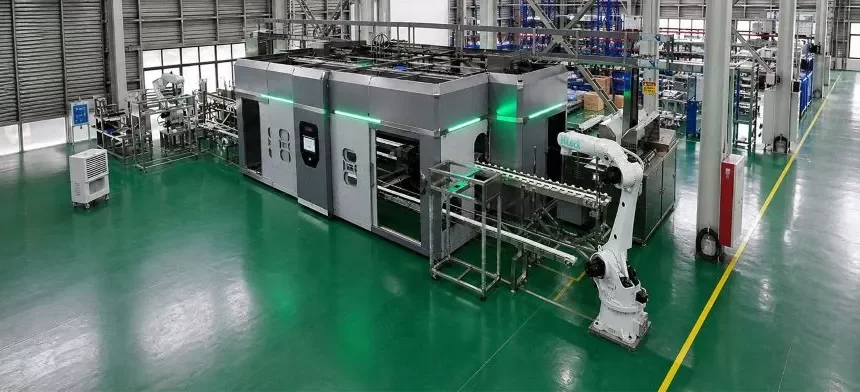
Table of Contents
Consumers today are demanding more than just convenient products. They are increasingly looking for foods and beverages that are natural, safe, nutritious, and produced with minimal processing. This shift has accelerated the growth of high pressure processing (HPP) technology, transforming it from a specialized preservation method into a mainstream solution adopted by global food, beverage, cosmetic, and biotechnology industries.
Unlike traditional thermal processing methods that rely on high temperatures, high pressure processing (HPP) uses extremely high hydrostatic pressure to inactivate harmful microorganisms while maintaining the original quality, flavor, texture, and nutritional value of products.
As consumer awareness continues to grow around healthier lifestyles and transparent ingredients, HPP has become a key technology supporting the global movement toward clean label products.
For manufacturers seeking sustainable innovation, reliable safety standards, and market differentiation, advanced high-pressure processing solutions are becoming an essential part of modern production strategies.
What Is High Pressure Processing (HPP)?
High pressure processing (HPP) is a non-thermal food preservation technology that applies ultra-high water pressure—typically between 300 MPa and 600 MPa—to packaged products.
During the process, products are placed inside an HPP chamber filled with water. The pressure is transmitted evenly throughout the product, eliminating bacteria, yeast, and molds without significantly affecting sensory characteristics.
The technology is widely used in:
- Fresh juices and beverages
- Meat and seafood products
- Ready-to-eat meals
- Dairy alternatives
- Sauces and condiments
- Functional foods
- Cosmetics and biological products
Because pressure is applied uniformly in all directions, HPP enables manufacturers to process products without deformation while maintaining premium product quality.
Why High Pressure Processing Is Becoming Mainstream
Growing Consumer Demand for Clean Label Products
One of the biggest drivers behind the adoption of high pressure processing (HPP) technology is the growing global demand for clean label solutions. Modern consumers are becoming increasingly aware of what goes into the products they purchase and are paying closer attention to ingredient lists, production methods, and overall product transparency. They are seeking products with fewer artificial additives, more natural preservation methods, clearer manufacturing processes, and improved nutritional value.
Traditional preservation methods often rely on preservatives, chemical additives, or high-temperature treatments to achieve microbial safety and extend shelf life. However, these approaches may affect product quality by changing flavor, texture, color, or nutritional characteristics.
High pressure processing (HPP) provides manufacturers with an innovative alternative by using physical pressure technology rather than chemical additives to improve product safety and extend shelf life. This non-thermal processing method helps preserve the natural qualities of products while meeting the increasing consumer demand for healthier and minimally processed options.
As a result, brands can develop products that better align with clean label expectations while maintaining high standards of food safety, product quality, and commercial stability. For companies looking to differentiate themselves in competitive markets, adopting advanced high-pressure processing solutions offers an effective way to meet evolving consumer preferences and build stronger brand value.
Longer Shelf Life Without Compromising Quality
Shelf life is one of the most important challenges for fresh and premium products. Traditional preservation methods, such as pasteurization, can effectively reduce microorganisms but may also affect a product’s fresh flavor, color, nutritional content, and natural texture.
High pressure processing (HPP) allows manufacturers to improve microbial safety and extend refrigerated shelf life while preserving many of the sensory and nutritional characteristics that consumers value most. For example, cold-pressed juices can retain their fresh taste and nutritional quality, ready-to-eat meals can benefit from an extended refrigerated shelf life, and premium sauces can maintain their original flavor profiles. By minimizing the quality changes often associated with conventional heat treatments, HPP helps manufacturers deliver fresher-tasting, high-quality products to consumers.
This capability enables businesses to expand distribution opportunities, reduce food waste, and improve supply chain efficiency while meeting growing consumer expectations for freshness, quality, and clean label products. companies expand distribution channels, reduce food waste, and improve supply chain efficiency.
Increasing Brand Differentiation in Competitive Markets
The global food and beverage industry is becoming increasingly competitive, driving companies to adopt innovative technologies that help their products stand out in the marketplace. High pressure processing (HPP) enables brands to strengthen their market positioning by emphasizing product freshness, natural ingredients, premium quality, and advanced food safety. By helping preserve the original taste, texture, and nutritional characteristics of many products while extending refrigerated shelf life, HPP allows manufacturers to develop differentiated offerings that align with evolving consumer expectations for healthier, fresher, and minimally processed foods.
Many leading global brands have integrated HPP into their manufacturing processes to develop value-added products and respond to the growing demand for clean label solutions. For manufacturers, investing in professional high-pressure processing solutions is no longer simply a decision about food preservation; it is a strategic investment in product innovation, brand differentiation, and long-term competitiveness.ger only about preservation—it is about creating stronger market positioning.
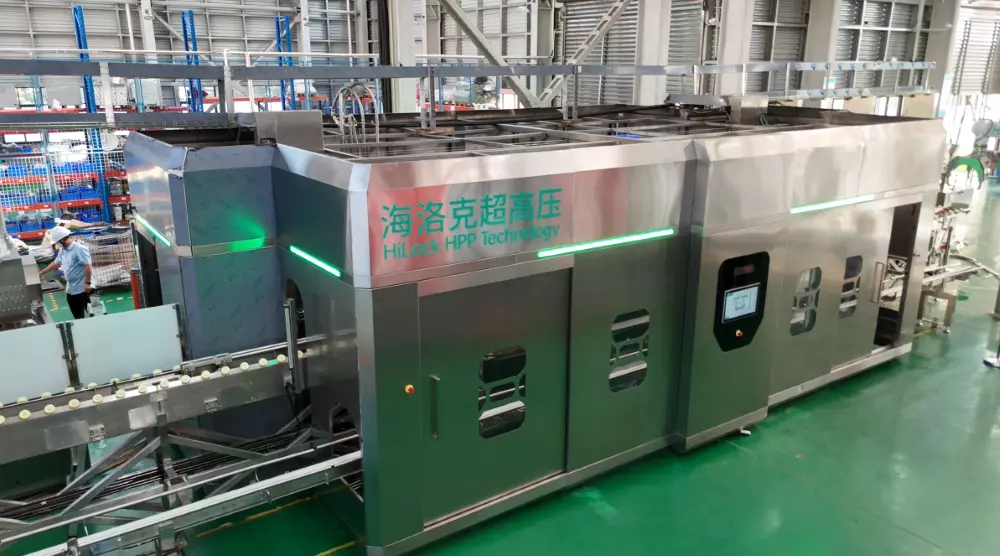
The Role of Advanced HPP Equipment in Industrial Production
As demand increases, industrial-scale HPP systems require higher levels of engineering, reliability, and customization.
A professional HPP equipment manufacturer must provide more than just a pressure chamber. Modern production requires integrated solutions including:
- Equipment design and engineering
- Customized processing solutions
- Automated production systems
- Quality control management
- Installation and commissioning
- Long-term technical support
Advanced HPP equipment should deliver:
High Processing Stability
Precision manufacturing and advanced control systems ensure consistent pressure performance and reliable production.
Efficient Production Capability
Optimized chamber design and intelligent operation systems help manufacturers improve throughput and reduce operational costs.
Customized Solutions
Different industries have different requirements. From food and beverage applications to biotechnology and pharmaceutical research, customized high-pressure processing solutions enable companies to achieve specific production goals.
HPP Applications Across Multiple Industries
Food and Beverage Industry
Food and beverage remain the largest application areas for HPP technology.
Common applications include:
- Fresh juice processing
- Plant-based beverages
- Functional drinks
- Meat preservation
- Seafood processing
- Dairy products
HPP helps manufacturers deliver safer, fresher, and cleaner products to global markets. By extending refrigerated shelf life while preserving product flavor, texture, and nutritional quality, high pressure processing (HPP) enables food and beverage brands to meet growing consumer demand for fresh, minimally processed, and clean label products.
Cosmetic Industry
The cosmetic industry is increasingly exploring non-thermal processing technologies.
HPP can support:
- Natural cosmetic formulations
- Ingredient protection
- Microbial control
- Premium product development
For brands focusing on natural beauty trends, HPP provides opportunities to develop innovative formulations with fewer preservatives. By applying high pressure technology, manufacturers can explore new approaches to ingredient stability and product quality while meeting growing consumer demand for clean, high-performance cosmetic products. With appropriate formulation development and process validation, HPP may also support the development of premium skincare products that align with evolving preferences for natural ingredients and transparent product formulations.
Biotechnology and Pharmaceutical Applications
Beyond traditional food applications, high-pressure technologies are also being researched for biological and pharmaceutical processes.
With advanced laboratory systems and customized engineering capabilities, HPP can support:
- Research applications
- Product stability studies
- Specialized processing development
One of the key advantages of high pressure processing (HPP) is its ability to investigate pressure-induced changes in biological materials under controlled conditions, offering researchers new opportunities to study protein structure, enzyme activity, and biomolecular stability. Compared with conventional heat-based methods, high-pressure treatment can help explore processing conditions that minimize thermal exposure, making it valuable for selected research applications involving heat-sensitive materials. With customized HPP equipment and precise process control, laboratories and research institutions can evaluate pressure parameters, conduct repeatable experiments, and develop specialized processing protocols to support innovation in biotechnology and pharmaceutical research.
How HPP Supports the Global Clean Label Movement
The clean label trend is not simply a marketing concept—it represents a fundamental change in how products are developed and manufactured.
Consumers want products that are:
✔ Natural
✔ Safe
✔ Transparent
✔ Minimally processed
✔ Environmentally responsible
High pressure processing (HPP) directly supports these expectations by enabling manufacturers to reduce reliance on artificial preservatives while maintaining product safety.
For brands entering premium markets, HPP technology provides a competitive advantage by connecting advanced engineering with consumer values.
Choosing the Right High-Pressure Processing Solution Partner
Successful HPP implementation requires expertise beyond equipment supply.
A reliable technology partner should have:
Advanced Engineering Capabilities
Professional teams with experience in precision manufacturing, system integration, and customized equipment design.
Strong Quality Control Systems
Standardized manufacturing processes ensure equipment reliability and long-term performance.
Application Development Support
HPP performance depends on product characteristics. Professional suppliers should provide process optimization and testing support.
Global Service Capability
International customers require complete support including:
- Equipment installation
- Technical training
- Maintenance services
- Lifecycle management
Choosing the right partner helps companies maximize the value of their HPP investment.
The Future of High Pressure Processing: From Innovation to Industry Standard
The adoption of high pressure processing (HPP) is expected to continue growing as consumer expectations, food safety requirements, and sustainability goals evolve. Future technological developments will focus on improving processing efficiency, integrating intelligent automation, optimizing energy consumption, and delivering more customized industrial solutions to meet the diverse needs of different industries. At the same time, advances in equipment design, process control, and application development will help manufacturers improve production consistency, operational efficiency, and long-term equipment reliability.
As consumer awareness of fresh, minimally processed, and clean label products continues to increase, HPP is gaining recognition as a valuable alternative to conventional preservation methods. With expanding applications across food, beverage, biotechnology, and other specialized industries, HPP is gradually moving beyond its role as a niche processing technology toward broader industrial adoption. Reliable high-pressure processing solutions will play an increasingly important role in helping manufacturers respond to changing market demands, develop innovative products, and strengthen their competitiveness in global markets.
Conclusion: HPP Is Shaping the Future of Product Innovation
The rise of high pressure processing (HPP) represents a major transformation in modern manufacturing.
By combining food safety, product quality, sustainability, and consumer-friendly clean label advantages, HPP enables companies to create products that meet the expectations of tomorrow’s markets.
For businesses seeking reliable and customized high-pressure processing solutions, partnering with an experienced HPP technology provider is essential to achieving long-term success.
With advanced engineering capabilities, precision manufacturing, dedicated testing systems, and complete lifecycle support, professional HPP manufacturers are helping global industries unlock new opportunities in food, beverage, cosmetics, and biotechnology innovation.