
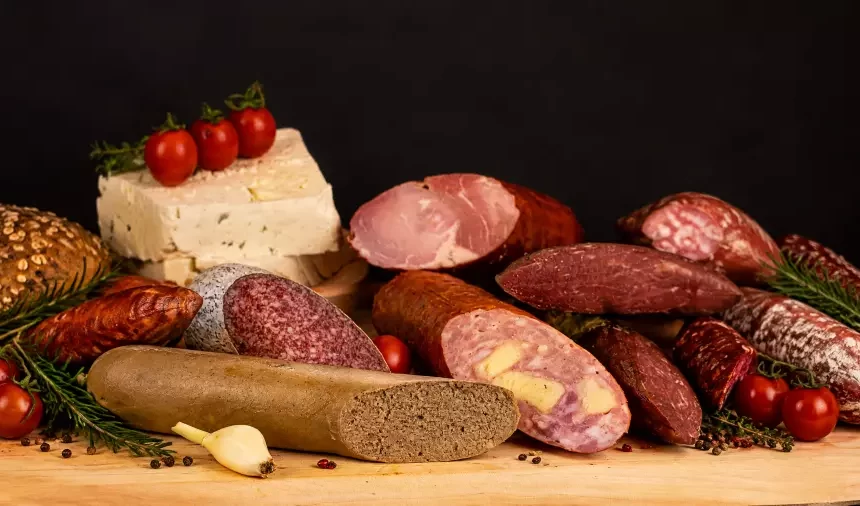
Table of Contents
Cooked sausages are popular ready-to-eat (RTE) meat products valued for their convenience, consistent flavor, and versatility. However, maintaining microbiological safety and extending refrigerated shelf life remain significant challenges for manufacturers, particularly as consumers increasingly seek minimally processed foods with fewer preservatives and reliable product quality.
High pressure processing technology offers an additional preservation step that can help cooked sausage manufacturers address these challenges. By applying high hydrostatic pressure to appropriately packaged products, High Pressure Processing (HPP) can reduce selected microorganisms, control post-processing contamination risks, and support refrigerated shelf-life extension without relying on conventional heat treatment as the final preservation step.
For manufacturers producing sliced ham, frankfurters, luncheon meat, and other cooked sausage products, high pressure processing technology provides an opportunity to strengthen food safety management while maintaining desirable product characteristics.
This article explores how HPP works, its key benefits and limitations in cooked sausage production, the factors affecting processing performance, and how industrial high-pressure processing solutions can support more reliable and scalable meat processing operations.
Challenges in the Production of Cooked Sausages
Cooked sausages undergo heat treatment during manufacturing to achieve the required cooking endpoint and control relevant foodborne pathogens. Nevertheless, cooking does not eliminate every subsequent food safety risk.
After cooking, products may be exposed to microorganisms during cooling, peeling, slicing, handling, and packaging. If contamination occurs after the cooking stage, ready-to-eat sausages may carry pathogens that consumers will not eliminate through further cooking.
Listeria monocytogenes is a particularly important concern because it can survive and grow under refrigeration conditions. Research on ready-to-eat meat products identifies post-cooking slicing and packaging as important potential routes of contamination.
Source: Control of Listeria monocytogenes Contamination in Ready-to-Eat Meat Products.
Cooked sausage manufacturers therefore need a comprehensive preservation strategy that extends beyond the initial cooking process.
Key challenges include:
- Post-lethality contamination: Preventing or controlling contamination introduced after cooking, especially during slicing and packaging.
- Refrigerated shelf-life management: Slowing microbial spoilage and maintaining product acceptability throughout distribution and storage.
- Product quality retention: Preserving the color, texture, flavor, and juiciness expected by consumers.
- Clean-label development: Exploring preservation strategies that may reduce reliance on certain chemical preservatives, subject to product formulation and safety requirements.
- Distribution efficiency: Supporting more predictable product quality across refrigerated supply chains and retail channels.
High pressure processing technology can contribute to these objectives as a validated post-packaging intervention. Its effectiveness, however, depends on the product formulation, target microorganisms, pressure conditions, packaging, and storage environment.
Overcoming the Limitations of Traditional Processing Methods
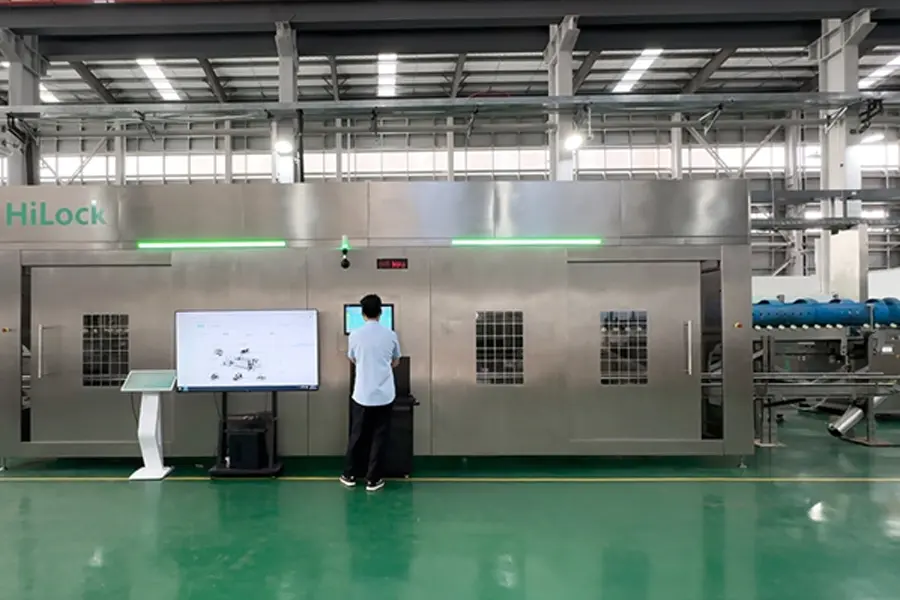
As a revolutionary technology, high-pressure processing can effectively overcome the limitations of traditional processing methods and improve the quality and safety of specific meat products. High pressure processing technology is a non-thermal preservation method that uses extremely high pressure, typically up to 600 MPa, to inactivate foodborne pathogens and spoilage microorganisms. It has been used in the meat industry for years as an innovative method of post-packaging decontamination. This simple yet effective approach reduces microbial levels, extends shelf life, and enhances product safety.
How HPP Cooked Sausage Processing Improves Food Safety
Controlling Post-Packaging Microbial Contamination
One of the most important applications of HPP is the treatment of ready-to-eat meat products after packaging.
During conventional cooked sausage production, slicing and packaging can introduce microorganisms even when upstream cooking and hygiene controls are properly implemented. High pressure processing technology can help reduce susceptible microorganisms present in the sealed package, thereby addressing a critical point in the post-cooking production chain.
Research published in the Journal of Food Protection evaluated ready-to-eat meat products treated at 600 MPa for 180 seconds at 20°C. The study reported reductions of more than 4 log CFU/g in Listeria monocytogenes in inoculated products, alongside evidence of extended refrigerated shelf life.
Source: Effects of High-Pressure Processing on the Safety, Quality, and Shelf Life of Ready-to-Eat Meats.
These results demonstrate the potential of HPP for certain ready-to-eat meat products. They should not, however, be interpreted as a universal performance guarantee for every cooked sausage formulation.
Fat content, salt concentration, pH, water activity, pressure-resistant microbial subpopulations, and the physiological condition of microorganisms can all influence treatment outcomes.
Managing Listeria Risk in Ready-to-Eat Sausages
For sliced cooked sausages and other refrigerated RTE meat products, Listeria monocytogenes is an important target for post-packaging preservation strategies.
High pressure processing technology can damage microbial cell membranes and interfere with essential cellular functions, potentially resulting in microbial inactivation. However, the extent of inactivation varies with pressure intensity, holding time, treatment temperature, product composition, and the specific strain involved.
A recent scoping review of thermal and non-thermal interventions for RTE meats found that HPP performance against L. monocytogenes varied considerably across studies and product conditions.
For commercial manufacturers, this means that a successful HPP program should be designed around a defined microbial safety target rather than a generic pressure setting.
A robust validation plan may include:
- Identifying relevant target microorganisms and applicable regulatory criteria.
- Evaluating the actual sausage formulation and package configuration.
- Establishing pressure, holding time, and temperature combinations.
- Conducting appropriate microbial challenge studies through qualified laboratories.
- Evaluating potential microbial recovery during refrigerated storage.
- Integrating HPP into the overall food safety management system.
High pressure processing technology should complement, rather than replace, good manufacturing practices, sanitation, temperature control, and a validated cooking process.
Understanding the Limits of High Pressure Processing Technology
High pressure processing technology is highly useful against many vegetative bacteria, yeasts, and molds, but it does not reliably destroy all bacterial spores under ordinary commercial food pasteurization conditions.
This distinction is especially important for low-acid, high-moisture meat products. HPP treatment alone should not be assumed to make cooked sausages shelf-stable at room temperature.
Refrigeration, appropriate formulation, hygienic processing, validated thermal treatment, and other applicable controls remain essential. Any claim that HPP provides a specified pathogen reduction or commercial shelf life must be supported by product-specific validation.
Extending the Refrigerated Shelf Life of Cooked Sausages
Shelf life is a major consideration for sausage manufacturers, distributors, retailers, and food service operators. Microbial spoilage can result in changes in odor, taste, appearance, and texture, leading to rejected products and unnecessary food waste.
High pressure processing technology can help reduce susceptible spoilage microorganisms in packaged cooked sausages, potentially slowing microbial deterioration during refrigerated storage.
Potential shelf-life benefits
Reduced microbial spoilage: Lower initial counts of susceptible microorganisms can help delay certain forms of microbial spoilage.
More consistent product quality: When treatment and storage conditions are properly controlled, high pressure processing technology may help manufacturers maintain more consistent microbiological quality between production batches.
Improved distribution flexibility: A validated extension of refrigerated shelf life may provide additional flexibility for transportation, inventory management, and retail distribution.
Reduced avoidable food waste: Longer usable shelf life can help reduce premature product disposal when supported by effective cold-chain management.
The magnitude of these benefits depends on the original microbial load, product composition, packaging, storage temperature, and the effectiveness of the treatment.
Manufacturers should establish shelf-life claims through microbiological testing, sensory evaluation, and appropriate storage studies rather than relying on generalized industry estimates.
For example, a study of selected ready-to-eat meats demonstrated that HPP at 600 MPa for three minutes could extend refrigerated shelf life under the conditions investigated. Those findings provide useful evidence for process development, but they should not be transferred directly to a different sausage product without validation.
Preserving Color, Texture, Flavor, and Nutritional Quality
Microbial safety is only one part of cooked sausage quality. Consumers also expect familiar color, a pleasant bite, balanced flavor, and a consistent eating experience.
Because high pressure processing technology acts primarily through pressure rather than conventional heat transfer, it can help preserve selected quality attributes that might otherwise be affected by additional thermal processing. However, the effects are product-specific.
Color Stability
Color is an important purchase factor for cooked sausages, particularly sliced luncheon meat, ham, and frankfurters.
Pressure can influence meat pigments and their interactions with proteins. Depending on the formulation, curing system, pressure level, and treatment temperature, HPP may cause changes in surface appearance or color intensity.
Manufacturers should therefore assess instrumental color measurements and visual acceptability before finalizing the treatment conditions.
Texture and Bite
The texture of cooked sausage depends on the structure of the meat protein matrix, fat distribution, moisture retention, and processing conditions.
High pressure processing technology can alter protein structure and protein interactions. These changes may affect firmness, cohesiveness, water-holding capacity, and perceived juiciness.
A suitable process should balance microbial inactivation with the texture characteristics expected in the finished product. Testing should include the actual commercial formulation and package size rather than laboratory samples alone.
Flavor and Aroma
High pressure processing technology avoids the same degree of additional heat exposure associated with conventional thermal post-treatment. This can be beneficial when manufacturers aim to preserve the established flavor profile of cooked meat products.
Nevertheless, pressure treatment may indirectly affect flavor release, oxidation, or other chemical and physical reactions. Fat content, oxygen exposure, packaging barrier properties, and storage conditions should be considered during product development.
Nutritional Characteristics
High pressure processing technology can preserve many nutritional components because it does not rely primarily on high-temperature treatment during the pressure stage. However, it is not accurate to claim that all nutrients remain unchanged.
The impact on individual nutrients depends on the ingredient system and processing conditions. Manufacturers developing nutrition-focused cooked sausage products should evaluate relevant nutritional parameters when substantiating product claims.
Supporting Clean-Label Cooked Sausage Development
Consumer interest in recognizable ingredients and reduced use of certain preservatives has encouraged meat processors to explore additional preservation technologies.
High pressure processing technology may support clean-label product development by reducing selected microorganisms without requiring the same preservation mechanism as some chemical additives.
For example, manufacturers may investigate whether HPP can complement a reformulated sausage recipe with a lower concentration of selected preservatives or a different antimicrobial system.
However, HPP does not automatically make a product preservative-free, nor does it guarantee that a reformulated product will meet food safety requirements.
The suitability of a clean-label strategy depends on several factors:
- The intrinsic properties of the sausage, including pH, salt content, and water activity.
- The target microbial hazards and required reduction levels.
- The performance of the packaging system.
- Refrigerated storage conditions and expected distribution time.
- Applicable food safety regulations and labeling requirements.
A multi-hurdle preservation strategy combining HPP, appropriate formulation, hygienic manufacturing, packaging, and refrigeration may provide a more robust approach than relying on a single intervention.
For manufacturers, the objective should be to establish a safe, commercially viable formulation that meets both product-quality expectations and applicable regulatory requirements.
Is HPP Cooked Sausage Processing Suitable for Your Production Line?
High pressure processing technology is particularly worth evaluating for manufacturers producing refrigerated, packaged, ready-to-eat cooked sausages that require additional microbial control or a validated extension of refrigerated shelf life.
Potential applications include:
- Sliced cooked ham and luncheon meat.
- Packaged frankfurters and hot dogs.
- Cooked pork, beef, or poultry sausage products.
- Deli-style meat products.
- Other compatible ready-to-eat processed meat products.
Suitability depends on the formulation, packaging, food safety objectives, desired shelf life, production volume, and acceptable sensory changes.
For smaller manufacturers, pilot-scale trials can help establish product feasibility before a larger equipment investment. For established processing plants, a capacity and integration assessment can determine whether HPP fits the existing production workflow.
The business case should consider the initial equipment investment alongside potential benefits such as reduced spoilage, fewer product losses, improved inventory flexibility, and the ability to develop differentiated product offerings.
These benefits should be evaluated using actual production and market data rather than assumed savings.
Conclusion: Advancing Cooked Sausage Safety With High Pressure Processing Technology
As demand for convenient, refrigerated ready-to-eat meat products continues, cooked sausage manufacturers must balance food safety, shelf-life management, product quality, and production efficiency.
High pressure processing technology provides a valuable additional preservation option by helping control susceptible microorganisms in appropriately packaged products. When supported by validated processing conditions and effective refrigeration, HPP can contribute to improved microbial quality and longer refrigerated shelf life while limiting the need for additional conventional heat exposure.
However, successful implementation requires product-specific evaluation. Pressure, holding time, temperature, formulation, packaging, and storage conditions must be considered together, and HPP must remain part of a comprehensive food safety system.
For manufacturers evaluating HPP cooked sausage production, selecting the right equipment is only one step. Process validation, production-line integration, maintenance planning, and technical support are equally important to achieving consistent commercial results.
HiLock provides high-pressure equipment and integrated application solutions to support manufacturers in evaluating their processing needs and developing practical HPP production strategies.
References
- Zhu, M., Du, M., Cordray, J., & Ahn, D. U. Control of Listeria monocytogenes Contamination in Ready-to-Eat Meat Products. Comprehensive Reviews in Food Science and Food Safety. PubMed
- Effects of High-Pressure Processing on the Safety, Quality, and Shelf Life of Ready-to-Eat Meats. Journal of Food Protection, 2004. PubMed
- Mustafa, M. G., & Okur, I. A Scoping Review of Thermal and Nonthermal Technologies for Listeria monocytogenes Inactivation in Ready-to-Eat Meats. Comprehensive Reviews in Food Science and Food Safety, 2026. Full text
- Novel Approaches in Improving the Quality and Safety Aspects of Processed Meat Products Through High Pressure Processing Technology – A Review. Trends in Food Science & Technology, 2016. ScienceDirect