
Table of Contents
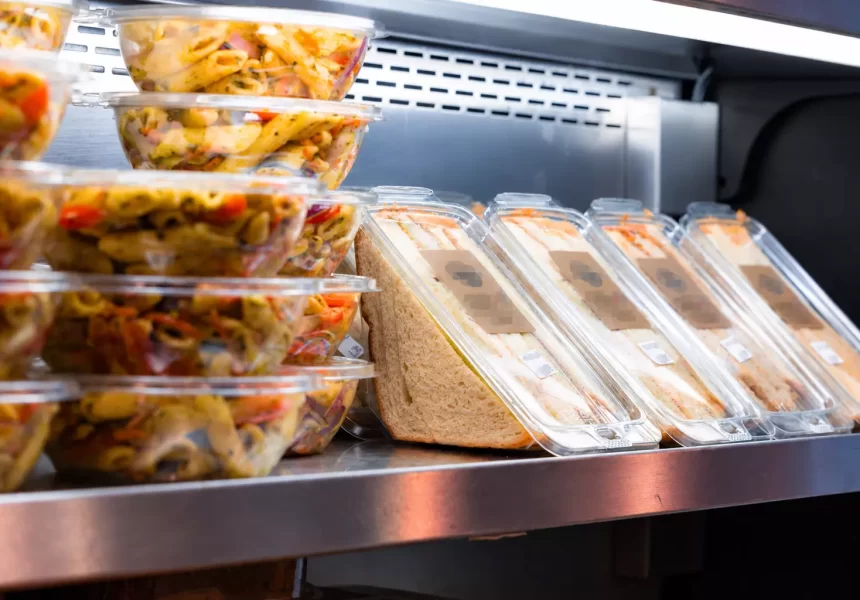
The prepared food industry is growing rapidly as consumers look for convenient meals that fit increasingly busy lifestyles. However, convenience comes with a demanding set of requirements: prepared foods must remain safe, fresh, nutritious, and appealing throughout distribution and refrigerated storage.
For food manufacturers, achieving a balance between food safety, shelf life, sensory quality, and production efficiency can be challenging. Conventional thermal processing methods can effectively control microorganisms, but excessive heat may affect flavor, color, texture, and certain nutritional components.
This is where HPP technology, or High Pressure Processing, provides an alternative approach to food preservation.
HPP uses extremely high hydrostatic pressure rather than conventional heat as the primary processing mechanism. By applying pressure to packaged food, HPP can reduce many microorganisms while helping preserve the fresh characteristics of the product.
For prepared meals, ready-to-eat foods, sauces, soups, meat products, seafood, and other refrigerated products, HPP can be integrated into a broader preservation strategy to support longer refrigerated shelf life and clean-label product positioning.
Why Is Prepared Food Preservation Challenging?
Prepared foods cover a wide range of products, including ready-to-eat meals, cooked meat products, prepared vegetables, soups, sauces, dips, chilled meals, and other convenience foods.
Although their formats and recipes differ, many products face similar preservation challenges.
1. Microbial Safety
Prepared foods can provide favorable conditions for microbial growth because they often contain high moisture levels and nutrient-rich ingredients.
After cooking, cutting, mixing, filling, and packaging, manufacturers must control potential microbial contamination throughout the remaining production and distribution process.
Food safety therefore remains one of the most important considerations in prepared food manufacturing.
2. Limited Refrigerated Shelf Life
Many prepared foods depend on refrigerated storage. Even under controlled temperatures, microbial growth and quality deterioration can gradually reduce product shelf life.
Short shelf life can create additional challenges for:
- Long-distance distribution
- Retail inventory management
- E-commerce food delivery
- Export markets
- Production planning
- Food waste reduction
A preservation technology that can extend refrigerated shelf life without significantly compromising product quality can provide substantial operational value.
3. Heat Can Affect Food Quality
Traditional thermal processing technologies rely on elevated temperatures to control microorganisms. While heat treatment remains an important food-processing method, heat-sensitive products may experience changes in:
- Flavor
- Color
- Texture
- Aroma
- Nutritional components
For products marketed around fresh taste and minimally processed characteristics, maintaining the original sensory profile can be particularly important.
4. Consumer Demand for Clean Labels
Consumers increasingly pay attention to ingredient lists and processing methods.
Prepared food manufacturers are therefore exploring preservation approaches that can reduce reliance on chemical preservatives while maintaining food safety and shelf stability.
This has increased interest in non-thermal processing technologies such as HPP.
How Does HPP Technology Preserve Prepared Foods?
HPP technology uses high hydrostatic pressure to process food products, typically after they have been sealed in suitable flexible or semi-flexible packaging.
Instead of transferring energy through heat, the HPP system applies pressure through a water-based pressure-transmitting medium.
Depending on the product and validated process, industrial HPP systems commonly operate at pressures of several hundred MPa, with many commercial applications using approximately 300–600 MPa.
The pressure is transmitted relatively uniformly throughout the product, helping reduce susceptible microorganisms while avoiding the intense thermal exposure associated with conventional heat processing.
A simplified HPP process can be described as:
Preparation → Packaging → Sealing → HPP Processing → Refrigerated Storage → Distribution
This makes HPP particularly suitable for products that are already packaged and ready for distribution.
Post-Packaging Processing
One important characteristic of HPP is that products can be processed after packaging.
This can help reduce the risk of recontamination that may occur between traditional cooking and final packaging. The exact process configuration depends on the product, packaging material, target microorganisms, regulatory requirements, and validated process parameters.
For prepared foods, this provides manufacturers with an additional tool for designing an integrated food-safety and preservation process.
HPP Solutions for Prepared Food Preservation
A professional high-pressure processing solution should not be limited to the pressure vessel itself.
The effectiveness of HPP depends on the interaction between pressure, temperature, holding time, product formulation, packaging, microbial targets, and the overall production process.
For prepared food manufacturers, a complete HPP solution may include:
Product and Process Evaluation
Before industrial production, the food product should be evaluated to determine its suitability for HPP.
Important factors may include:
- Product composition
- pH and water activity
- Packaging format
- Product size
- Target microorganisms
- Desired shelf life
- Refrigerated storage conditions
- Sensory requirements
Laboratory and pilot-scale testing can help manufacturers establish appropriate processing parameters before scaling up.
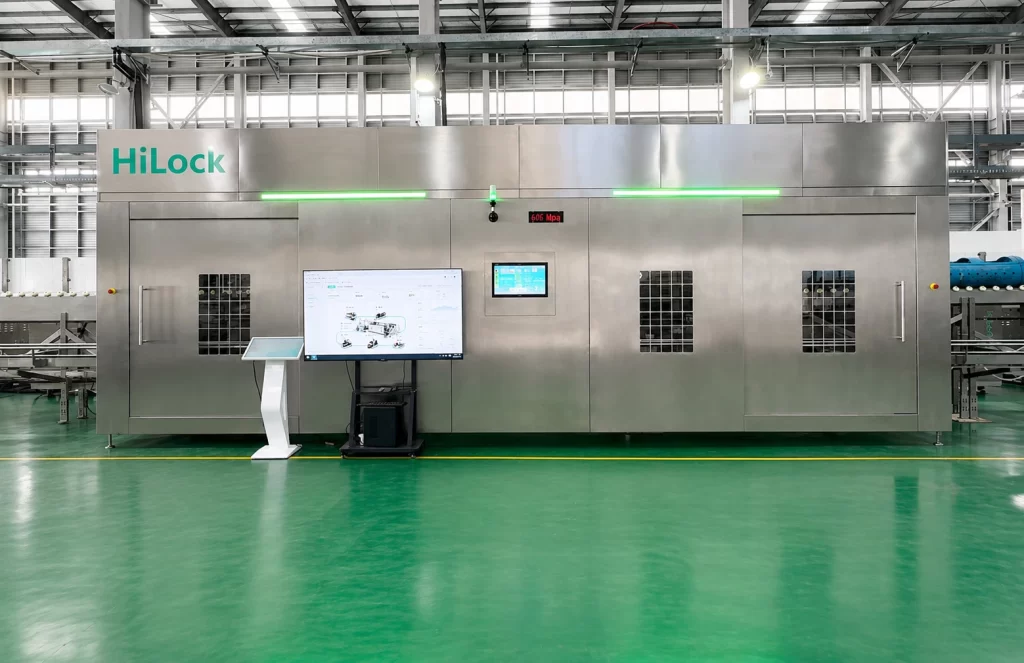
Customized HPP Equipment
Different prepared food manufacturers have different production capacities and packaging formats.
A suitable HPP system can therefore be configured according to:
- Required processing capacity
- Chamber volume
- Product dimensions
- Packaging configuration
- Automation requirements
- Factory layout
- Loading and unloading requirements
- Production schedule
For high-volume manufacturers, larger industrial HPP systems can support continuous production planning and scalable processing capacity.
Process Development
HPP should be treated as a process-development technology rather than simply a piece of high-pressure processing solution.
Process parameters need to be developed and validated according to the characteristics of the specific food product.
Testing can help determine the relationship between pressure, processing time, temperature, microbial reduction, shelf life, and product quality.
Installation and Commissioning
For industrial applications, successful HPP implementation also requires appropriate installation and commissioning.
This can involve:
- Equipment installation
- Utility requirements
- Production-line integration
- Control-system configuration
- Process testing
- Operator training
- Safety verification
A complete project approach can help reduce the technical challenges associated with introducing HPP into an existing production environment.
Key Benefits of HPP Technology for Prepared Foods
1. Extended Refrigerated Shelf Life
One of the major reasons prepared food manufacturers consider HPP is its potential to extend refrigerated shelf life.
By reducing relevant microorganisms, HPP can slow microbial deterioration under appropriate processing and storage conditions.
Extended shelf life can help manufacturers improve distribution flexibility and reach markets that would otherwise be difficult to serve with short-life products.
However, actual shelf-life extension varies significantly by product formulation, packaging, processing parameters, storage temperature, and microbial targets. Shelf-life claims should therefore be established through product-specific validation.
2. Helps Maintain Fresh Taste and Appearance
Because HPP is primarily a non-thermal preservation technology, it can help minimize some of the quality changes associated with intensive heat treatment.
For suitable products, HPP can help maintain characteristics such as:
- Fresh flavor
- Natural color
- Product texture
- Aroma
- Nutritional quality
This is particularly relevant for prepared foods positioned as fresh, premium, minimally processed, or clean-label products.
3. Reduced Dependence on Chemical Preservatives
HPP can support preservation strategies that reduce the need for certain chemical preservatives.
This can be valuable for manufacturers developing products with simpler ingredient declarations.
HPP does not automatically eliminate the need for preservatives in every formulation. Instead, it can become part of a broader preservation system based on formulation, packaging, refrigeration, and validated processing conditions.
4. Post-Packaging Processing
HPP can process products after they have been packaged and sealed.
This provides an additional barrier against microorganisms that may be introduced during downstream handling.
For ready-to-eat prepared foods, post-packaging processing can therefore be an important component of an integrated food-safety strategy.
5. Supports Premium Product Positioning
Consumers may associate fresh taste, clean labels, and minimally processed characteristics with higher-value food products.
By helping manufacturers maintain product quality while improving preservation performance, HPP can support premium prepared food concepts.
Potential applications include:
- Premium ready-to-eat meals
- Fresh meat products
- Seafood
- Soups
- Sauces
- Dips
- Fresh pasta
- Prepared vegetables
- Chilled convenience foods
HPP vs. Conventional Thermal Processing
HPP and thermal processing use different mechanisms to control microorganisms.
Thermal processing primarily relies on elevated temperature, while HPP applies high hydrostatic pressure.
| Factor | HPP Technology | Conventional Thermal Processing |
|---|---|---|
| Primary mechanism | High hydrostatic pressure | Heat |
| Product temperature | Generally lower than intensive thermal processes | Elevated |
| Packaging | Often processed after packaging | Processing configuration varies |
| Fresh sensory characteristics | Can help retain fresh characteristics in suitable products | Heat may alter some sensory properties |
| Clean-label potential | Supports reduced-preservative formulations | Depends on formulation and process |
| Refrigerated prepared foods | Well suited to many applications | Widely used depending on product |
| Process validation | Product-specific | Product-specific |
| Equipment investment | Specialized HPP equipment | Depends on thermal technology |
Neither technology is universally suitable for every food product.
The appropriate preservation method depends on the product’s microbial risks, formulation, packaging, target shelf life, regulatory requirements, production scale, and desired sensory characteristics.
For manufacturers seeking to preserve the characteristics of refrigerated prepared foods, HPP provides another technology option to evaluate.
Is HPP a Food Sterilization Technology?
The term food sterilization equipment is sometimes used broadly when discussing technologies designed to improve food safety and microbial stability. However, it is important to distinguish HPP from conventional commercial sterilization.
HPP is generally described as a non-thermal microbial reduction and preservation technology, rather than a universal replacement for thermal sterilization.
Its effectiveness depends on factors such as:
- Target microorganism
- Food composition
- Pressure level
- Holding time
- Processing temperature
- Initial microbial load
- Packaging
- Storage conditions
Some bacterial spores can be significantly more resistant to pressure than vegetative cells. Consequently, HPP may not provide the same function as a thermal sterilization process designed for shelf-stable low-acid foods.
For refrigerated prepared foods, however, HPP can be highly relevant as part of a validated microbial-control and shelf-life strategy.
This distinction is important when selecting food sterilization equipment or other food-processing systems: equipment should be selected based on the actual microbial and shelf-life objectives of the product.
Prepared Food Applications for HPP
HPP technology can be evaluated across a wide range of prepared food categories.
Ready-to-Eat Meals
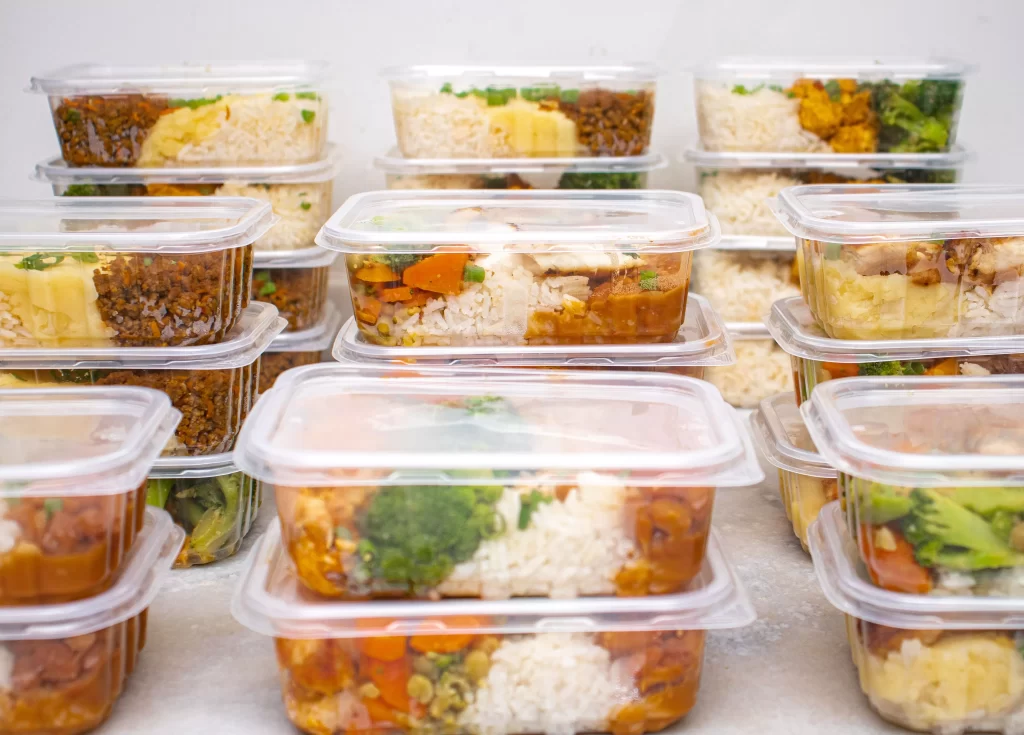
HPP can be considered for chilled ready-to-eat meals where manufacturers need to balance microbial safety, shelf life, and sensory quality.
Prepared Meat Products
Products such as cooked meat, sliced meat, deli-style products, and other refrigerated meat products may benefit from HPP as part of an integrated preservation strategy.
Seafood
Seafood products can be particularly sensitive to quality deterioration. HPP can be evaluated for selected seafood applications where maintaining fresh characteristics and controlling microorganisms are important.
Soups and Sauces
HPP can also be applied to certain packaged soups, sauces, dips, and other prepared liquid or semi-liquid foods.
Prepared Vegetables and Plant-Based Foods
As consumers increasingly seek convenient plant-based and fresh prepared foods, HPP provides another preservation technology for suitable formulations.
The Future of Prepared Food Preservation
The prepared food market is moving toward products that combine convenience with freshness, safety, quality, and simpler ingredient formulations.
This trend creates new requirements for food preservation technologies.
HPP technology provides manufacturers with a non-thermal processing option that can help address several of these requirements simultaneously. When appropriately validated, HPP can support microbial reduction, refrigerated shelf-life extension, fresh product quality, and clean-label product development.
However, HPP should not be viewed as a one-size-fits-all replacement for conventional processing. The best preservation strategy depends on the specific food product, microbial targets, packaging, storage conditions, regulatory requirements, and commercial objectives.
For manufacturers evaluating HPP, the most effective approach is to begin with product testing and process development, then select the appropriate equipment configuration and production capacity.
With the right combination of process engineering, precision equipment, testing, and technical support, HPP can become a scalable solution for the next generation of prepared foods.
Conclusion
Prepared food manufacturers face a complex preservation challenge: products must be safe and stable while retaining the fresh qualities consumers expect.
HPP technology provides a powerful non-thermal approach for suitable prepared foods. By applying high hydrostatic pressure after packaging, HPP can help reduce microorganisms while supporting fresh taste, appearance, texture, and nutritional quality.
From laboratory testing and process development to customized equipment, installation, and lifecycle service, a complete high-pressure processing solution can help manufacturers move from HPP evaluation to commercial production.
For companies exploring advanced preservation technologies, HPP offers a flexible option for developing safer, longer-lasting, and quality-focused prepared food products.