
Table of Contents
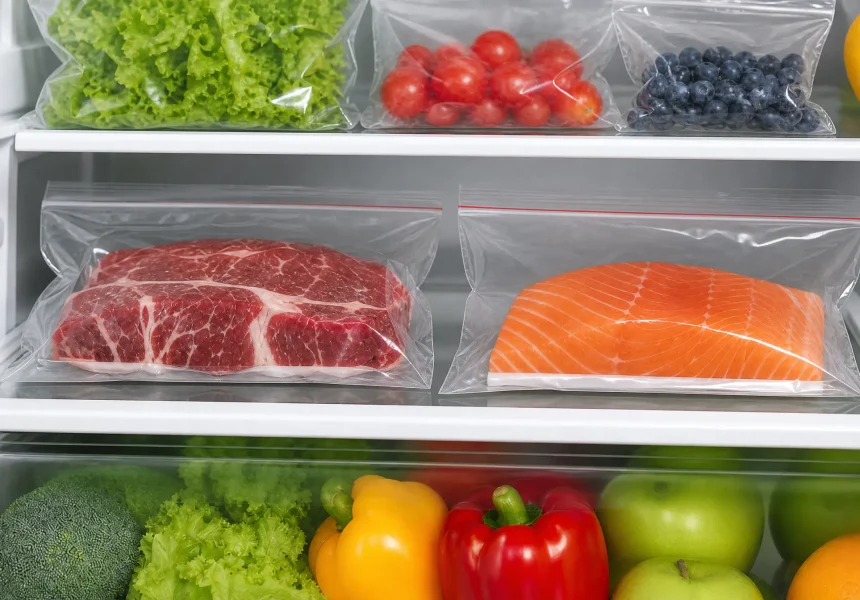
HPP sterilization technology is an advanced non-thermal food preservation method that uses extremely high hydrostatic pressure to reduce harmful microorganisms while helping preserve the food’s natural quality. Unlike conventional thermal sterilization, High Pressure Processing (HPP) does not rely on intensive heat or chemical preservatives. This makes it particularly suitable for fresh and minimally processed foods where flavor, color, texture, and nutritional quality are important.
As consumers increasingly seek safer, fresher, and clean-label foods, manufacturers need preservation technologies that can balance microbial safety with product quality. HPP can be applied to products such as fruit and vegetable juices, smoothies, guacamole, salsa, ready-to-eat meals, seafood, meat products, dairy products, and pet food.
What Is HPP Sterilization Technology?
HPP sterilization technology uses water as a pressure-transmitting medium to apply uniform hydrostatic pressure to packaged food products. Commercial HPP systems typically operate within a pressure range of approximately 300–600 MPa, depending on the product, packaging, and required processing conditions.
Unlike thermal processing, HPP does not need to heat food to high temperatures to achieve microbial inactivation. Instead, high pressure affects microorganisms at the cellular level, disrupting essential cellular structures and biological functions.
The food itself remains relatively close to its original temperature during processing, although some temperature increase can occur due to adiabatic compression. This non-thermal characteristic is one of the main reasons HPP is widely used for fresh and heat-sensitive foods.
How Does HPP Sterilization Work?
The HPP process generally follows several key steps:
- Product preparation and packaging
Food is prepared and sealed in pressure-compatible packaging before processing. - Loading into the HPP vessel
Packaged products are placed inside the high-pressure vessel, which is filled with water. - Pressure generation
Water transmits hydrostatic pressure uniformly around the packaged products. The system can typically reach pressures of 300–600 MPa. - Microbial inactivation
High pressure disrupts cellular structures and metabolic functions of susceptible microorganisms, reducing microbial risks. - Pressure release and unloading
After the required holding time, pressure is released and the processed products are removed for refrigerated storage or distribution.
Because pressure is transmitted uniformly, the shape and size of the product have much less influence on pressure distribution than they would in conventional heat-transfer processes.
HPP vs. Traditional Thermal Sterilization
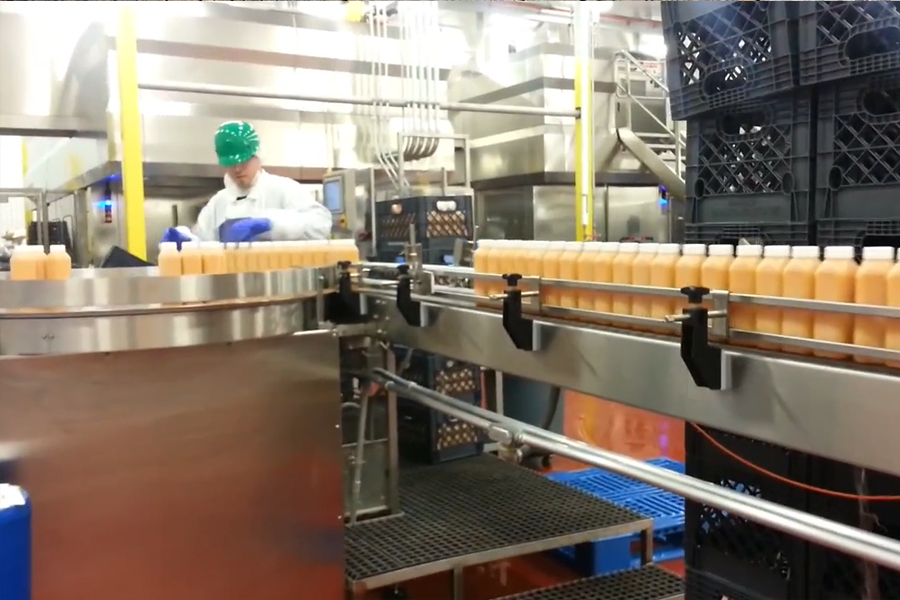
Traditional thermal pasteurization and sterilization remain widely used because heat is effective at controlling microorganisms. However, the required temperatures can also affect heat-sensitive food components.
High-temperature processing may cause:
- Loss or degradation of heat-sensitive nutrients
- Changes in natural color
- Flavor changes or cooked notes
- Texture deterioration
- Changes in fresh-food characteristics
For example, fresh fruit juices may develop cooked flavors after intensive heat treatment, while delicate seafood and ready-to-eat products may experience undesirable texture changes.
HPP provides an alternative approach by using pressure rather than intensive heat as the primary preservation mechanism. This can help manufacturers achieve microbial control while better maintaining the sensory characteristics of fresh foods.
Key Benefits of HPP Sterilization Technology
1. Non-Thermal Microbial Control
HPP uses high hydrostatic pressure rather than conventional high-temperature treatment. This makes it suitable for products where excessive heat could negatively affect quality.
2. Better Preservation of Fresh Quality
HPP can help maintain the natural flavor, color, texture, and appearance of many foods. This is particularly valuable for premium juices, guacamole, seafood, deli meats, and other fresh products.
3. Extended Refrigerated Shelf Life
By reducing spoilage microorganisms and other targeted microbial populations, HPP can extend the refrigerated shelf life of suitable food products. The actual shelf-life improvement depends on the product formulation, initial microbial load, packaging, processing parameters, and storage conditions.
4. Support for Clean-Label Production
HPP can help manufacturers reduce their reliance on chemical preservatives in certain food applications. This supports the development of clean-label products with simpler ingredient lists.
5. Protection of Heat-Sensitive Components
Because HPP does not depend on intensive heat, it can better protect heat-sensitive nutrients and bioactive compounds compared with some conventional thermal processes. However, retention varies by food composition and processing conditions.
6. Versatile Food Applications
HPP technology can be used across a broad range of food categories, including:
- Fruit and vegetable juices
- Smoothies
- Guacamole and salsa
- Ready-to-eat meals
- Seafood
- Deli meats
- Dairy products
- Pet food
This versatility allows manufacturers to apply one core preservation technology to different product lines.
HPP Applications in Fresh Food Production
HPP for Juices and Smoothies
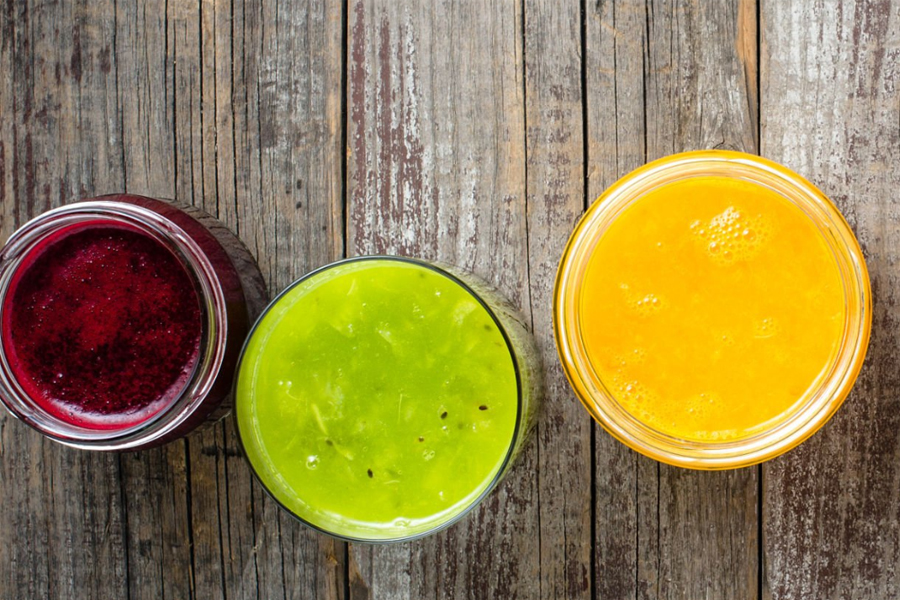
Fresh juices and smoothies are highly sensitive to microbial spoilage and quality deterioration. HPP can help reduce microbial risks while maintaining the fresh flavor, natural color, and sensory characteristics that consumers associate with minimally processed beverages.
HPP for Meat and Seafood
For meat and seafood products, microbial safety is a major consideration throughout processing, distribution, and refrigerated storage. HPP can help control microorganisms while minimizing the heat-related changes associated with thermal processing.
HPP for Ready-to-Eat Foods
Ready-to-eat meals, sauces, dips, and prepared foods require both food safety and convenient refrigerated shelf life. HPP can provide a non-thermal preservation option while helping maintain the original sensory characteristics of these products.
HPP for Guacamole and Fresh Produce
Guacamole and certain fresh fruit and vegetable products are particularly sensitive to oxidation, microbial spoilage, and quality deterioration. HPP can help extend refrigerated shelf life while maintaining a fresh appearance and texture.
What Factors Affect HPP Sterilization Performance?
HPP does not provide the same results for every food product. Processing performance depends on several factors, including:
- Pressure level
- Holding time
- Processing temperature
- Food pH
- Water activity
- Initial microbial load
- Product composition
- Packaging materials
- Target microorganisms
- Refrigerated storage conditions
For this reason, HPP processing parameters should be validated for each product rather than applying one standard pressure-time combination to every food.
HPP Sterilization Equipment for Commercial Production
Commercial HPP systems are designed to provide controlled pressure generation, processing, and product handling for continuous production operations. A suitable high pressure processing machine should provide stable pressure control, reliable vessel performance, appropriate automation, and sufficient processing capacity for the manufacturer’s production requirements.
For industrial applications, manufacturers should evaluate:
- Processing vessel capacity
- Maximum operating pressure
- Cycle time
- Production throughput
- Pressure accuracy and stability
- Automation level
- Packaging compatibility
- Equipment reliability
- Maintenance and technical support
Laboratory and pilot-scale HPP systems can also be used for product development, process validation, and scale-up studies before commercial production.
HiLock HPP Sterilization Technology
HiLock develops high pressure processing equipment for food and beverage applications, covering laboratory, pilot, and industrial-scale processing requirements.
Its HPP systems use water as the pressure-transmitting medium and are designed for controlled high-pressure processing at pressures of up to 600 MPa. The technology is applicable to a wide range of products, including beverages, meat, seafood, ready-to-eat foods, and other fresh products.
HiLock HPP equipment incorporates pressure control, automated operation, and high-pressure vessel technology to support consistent processing and commercial production. Depending on the product and validated process parameters, HPP can help manufacturers improve microbial safety, extend refrigerated shelf life, and maintain the sensory quality expected from fresh and minimally processed foods.
Conclusion
HPP sterilization technology provides food manufacturers with a powerful non-thermal approach to microbial control and food preservation. By using hydrostatic pressure instead of intensive heat, HPP can help improve food safety while maintaining many of the natural sensory and nutritional characteristics valued by today’s consumers.
For manufacturers producing fresh juices, seafood, meat, ready-to-eat foods, guacamole, smoothies, and other minimally processed products, HPP offers a practical way to combine food safety, extended refrigerated shelf life, clean-label positioning, and fresh product quality.